How Graphics Worked on Retro Consoles Before Modern GPUs
Understanding the shift from simple sprite rendering to complex real-time computation
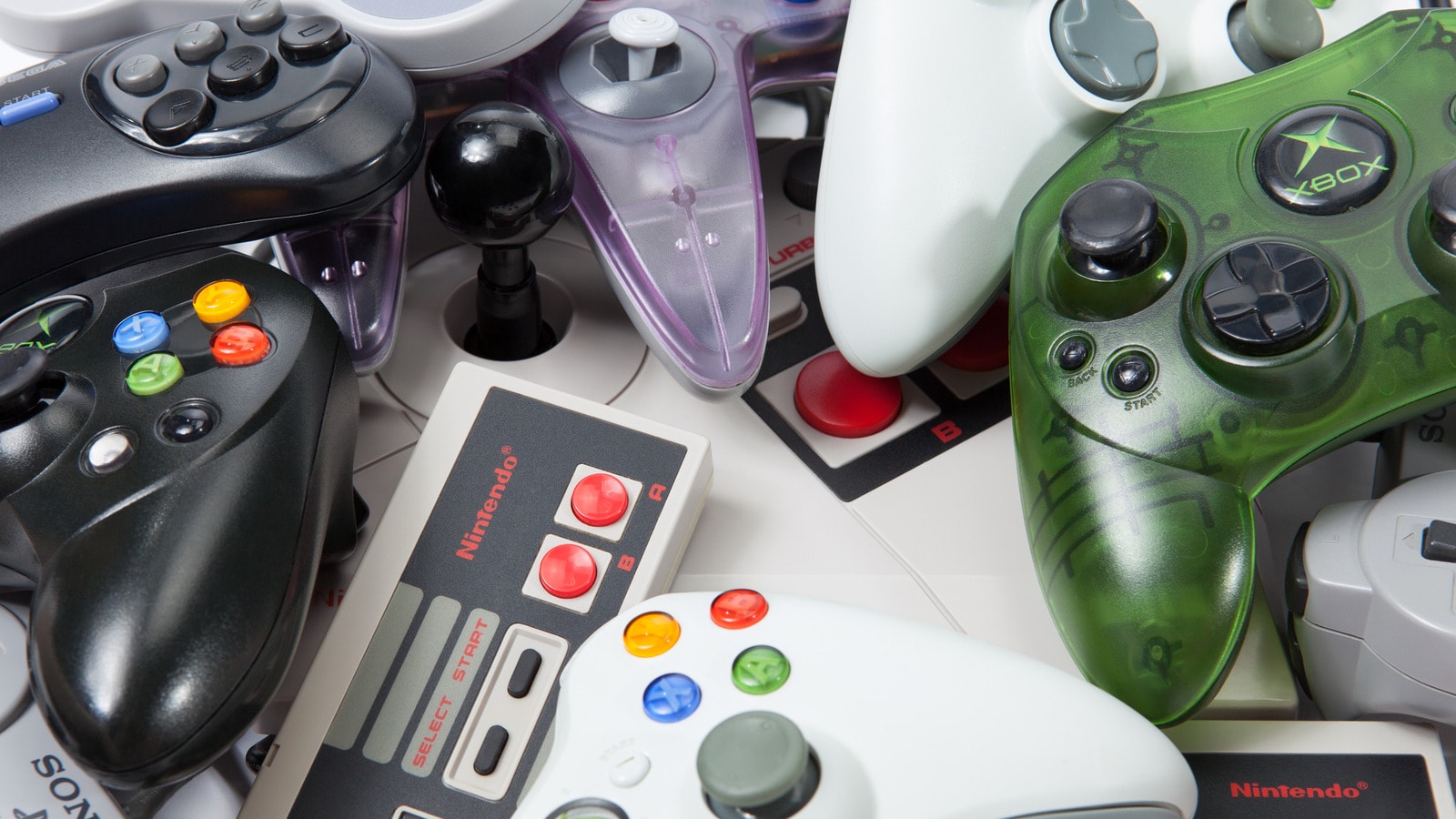
Graphics Evolution: From Drawing to Computation
When we discuss graphics processing units (GPUs) with today's gamers, we often refer to the complex computational power that generates photo-realistic imagery in real-time. However, the functionality of graphics chips during the era of retro consoles was radically different.
Devices from that period, such as the NES or Sega Genesis, did not possess "computational" capabilities in the modern sense. Their graphics chips were focused solely on "drawing" images on the screen. This process relied heavily on pre-defined graphical elements known as sprites, which were stored in the console's memory. The system was simply tasked with placing these elements at the correct screen coordinates.
The Xbox Changed the Rules of the Game
A major turning point in this field arrived with the debut of Microsoft's Xbox. This console introduced an architecture that allowed graphics chips not only to draw images but to actively participate in mathematical calculations. It was an era where the graphics processor transformed into a tool capable of processing geometric transformations, lighting, and shadows in real-time.
This shift was not merely a technical detail; it laid the foundation for the 3D worlds we are accustomed to today. The previous limitations, which forced developers to find creative solutions amidst technical scarcity, were gradually replaced by limitless possibilities.
For gamers in Georgia who now enjoy the latest generation consoles or powerful PCs, this history serves as an interesting reminder of the path technology has taken. While artificial intelligence (AI) and technologies like DLSS are now elevating graphics to new levels, it is fascinating to see that it all began with the simple ability to "draw," which eventually transformed into complex algorithmic calculations.