How a 3D Printer Can Save You Money on Your Hobbies
From drones to smart home gadgets, here is how 3D printing can lower your costs.
3D Printing: From Luxury to Practical Solution
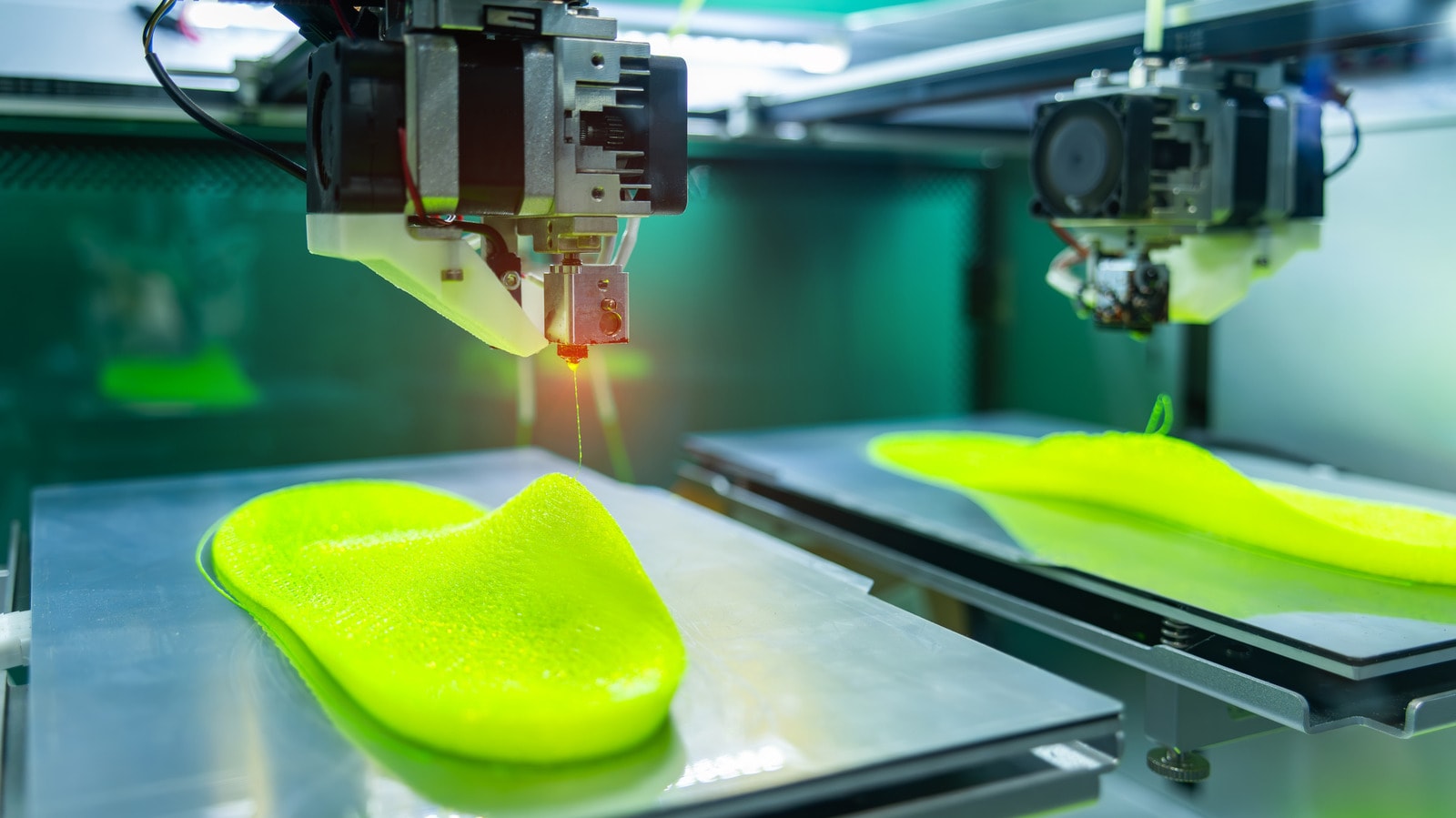
Years ago, 3D printers were seen as props in science fiction or rare tools for space agencies. Today, devices like the Creality Ender-3 V3 SE are accessible to any enthusiast. With prices ranging from $170 to $700, these printers allow us to produce items that are often expensive or inconvenient to purchase in retail stores.
The base material, known as filament, costs an average of $20 per kilogram. Considering that one kilogram of material can produce dozens of small parts, the cost of the printer amortises quite quickly. However, before deciding to purchase your own device, it is important to know where these savings are most noticeable.
Hobbies Where a Printer Saves Money
-
Drones and RC Models: Drone enthusiasts know how often plastic frames or mounts break. Instead of ordering a $10 part every time, you can print it yourself. While flight-critical parts like propellers should not be printed, antenna guards, camera mounts, and other accessories are ideal for this.
-
Car Maintenance and Gardening: In the garage or garden, small parts are always needed: broken handles, tool organisers, or specialised brackets. With a 3D printer, you can create tools of any shape that fit your exact requirements.
-
Smart Home: If your home is automated, a 3D printer is an indispensable assistant. You can print cable management systems, wall mounts for tablets, or decorative cases for NFC stickers. This is significantly cheaper than buying branded accessories.
-
Photo and Video Equipment: Lens caps, cable clips, and battery cases are frequently lost, and their branded versions are often unreasonably expensive. With 3D printing, you can produce universal or custom-fitted accessories for your camera for mere cents.
-
Tabletop Games and Modelling: For fans of Dungeons & Dragons or railway modelling, a 3D printer is a revelation. Characters, landscape details, and buildings sold at high prices in online stores can be made at home. Photopolymer (SLA) printers are often used here, as they allow for superior detail.
What to Consider
Before buying a 3D printer, remember that it requires space and good ventilation. It is not recommended to place the printer in a bedroom or living room. It is also important to assess your skills: creating or downloading CAD models requires a certain level of knowledge.
If you are a beginner, the best approach is to test someone else's printer first or use the services of local maker spaces. This will help you understand how often you will actually use the technology before investing in your own device.