Honor X8e 4G: 108MP Camera and High Durability Standards
The new budget-friendly device offers extreme climate resistance and a long-lasting battery.
Camera and Technical Capabilities
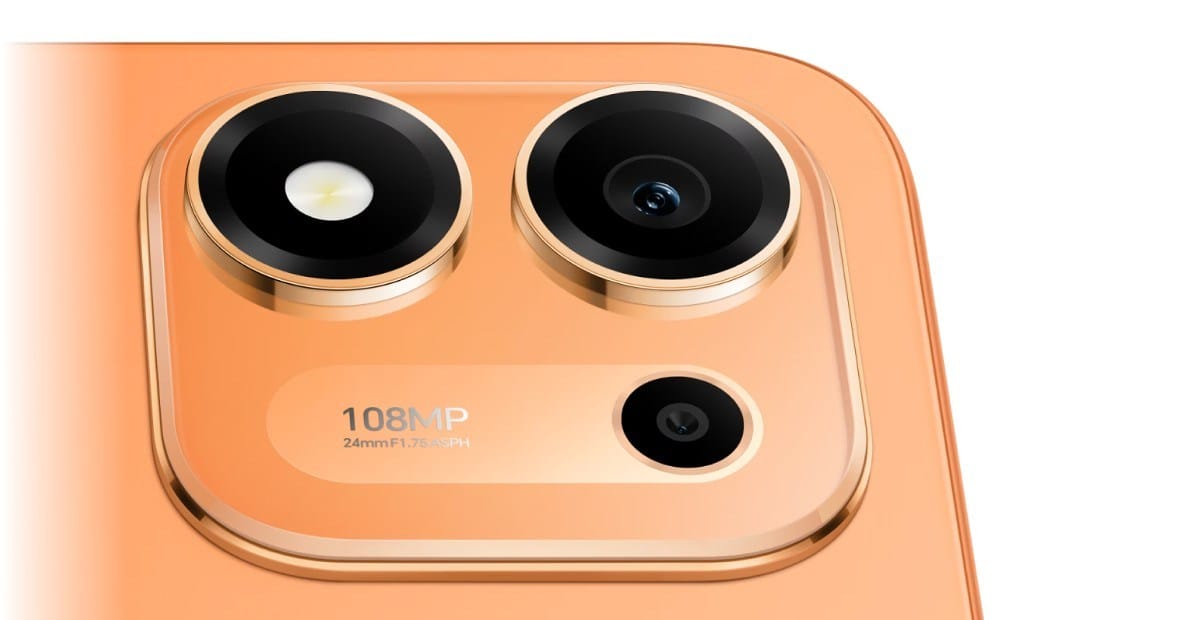
The Honor X8e 4G has joined the company's smartphone lineup, debuting in the Azerbaijani market as a budget-friendly device with notable specifications. While technically similar to the Honor X7e Plus released in August, this model includes several standout features. Its primary highlight is a 108-megapixel camera, a rarity in this price segment. However, video recording is limited to 1080p resolution, a constraint imposed by the Snapdragon 685 processor. This 6nm chipset, paired with the Adreno 610 graphics core, supports 4G networks only.
The device features a 6.87-inch LCD screen with a resolution of 720 x 1592 pixels. Despite the lower resolution, the display supports a 120Hz refresh rate and offers a peak brightness of 1020 nits. The smartphone runs on MagicOS 10, based on Android 16.
Durability and Design
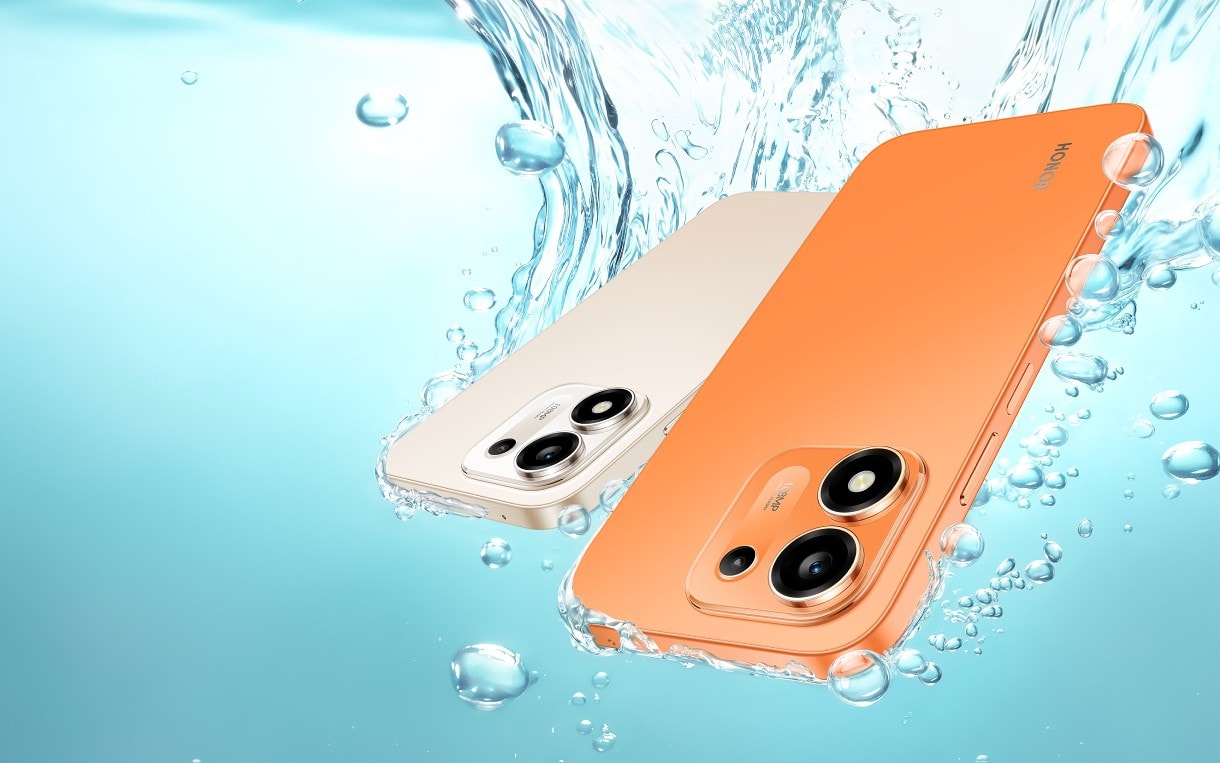
One of the most significant strengths of the Honor X8e is its durability. The smartphone holds IP68, IP69, and IP69K certifications, meaning it is protected against dust and water, including high-pressure and high-temperature water jets. The manufacturer states the phone is adapted for extreme climates, functioning between -30°C and +50°C.
The structural integrity is backed by an SGS 5-star certification, which ensures the device remains undamaged when dropped from a height of 2.5 metres. Furthermore, Honor claims the construction is designed for at least six years of stable operation. The battery capacity is 7700 mAh, supporting 45W fast charging.
What This Means for Users
Although the X8e 4G appeared on the Azerbaijani market for the equivalent of approximately $480, similar models often reach regional markets, including Georgia. This Honor model is aimed at users who require a highly durable device for daily tasks and do not rely on 5G networks or high-resolution video recording. The popularity of such budget models may grow as users increasingly prioritize device longevity and physical resilience.