Honor Magic9 Pro Max: Bringing Hollywood ARRI Quality to Smartphones
Honor and ARRI combine their expertise to bridge the gap between mobile devices and professional film production.
A Cinematic Standard in Your Pocket
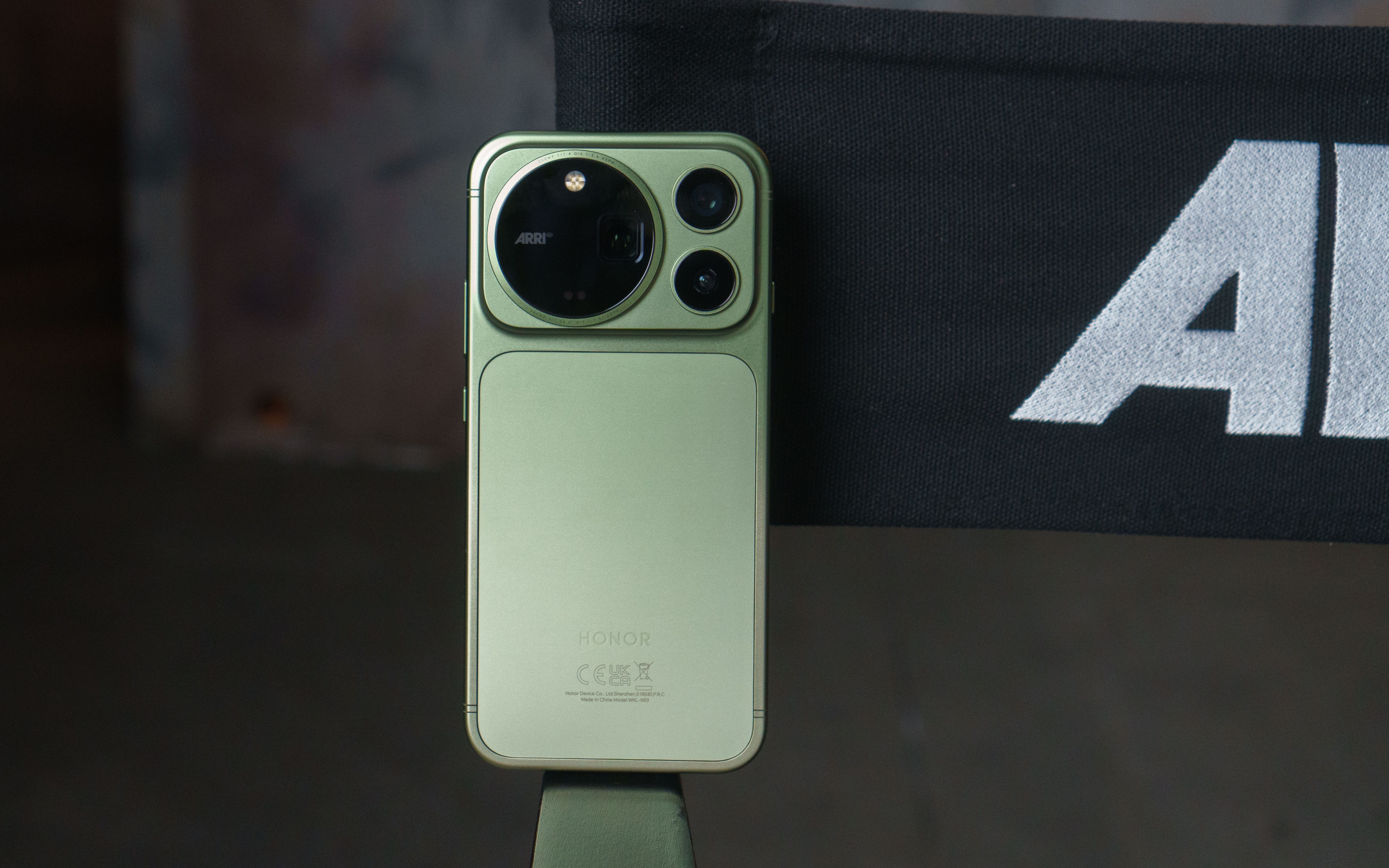
Imagine the capabilities of a $100,000 cinema camera packed into a smartphone. With this ambitious goal, Honor has partnered with ARRI, the German company considered the gold standard in the Hollywood film industry. Their collaboration is centered on the camera system of the new Magic9 Pro Max, marking one of the most significant developments in the tech world.
ARRI’s ALEXA LF and Mini LF cameras are renowned for their exceptional color science, dynamic range, and smooth light transitions. The companies have worked to translate this scientific approach to image processing into a smartphone format. This is not merely about simple filters; it is a deep integration at both the hardware and software levels.
Technological Depth: Honor H1 and LogC3
For the Magic9 Pro Max, Honor developed a new image processing chip, the Honor H1. Its primary function is the direct processing of RAW data and noise reduction, which preserves greater detail and dynamic range in the final result. However, the real magic lies in the LogC3 curve developed by ARRI.
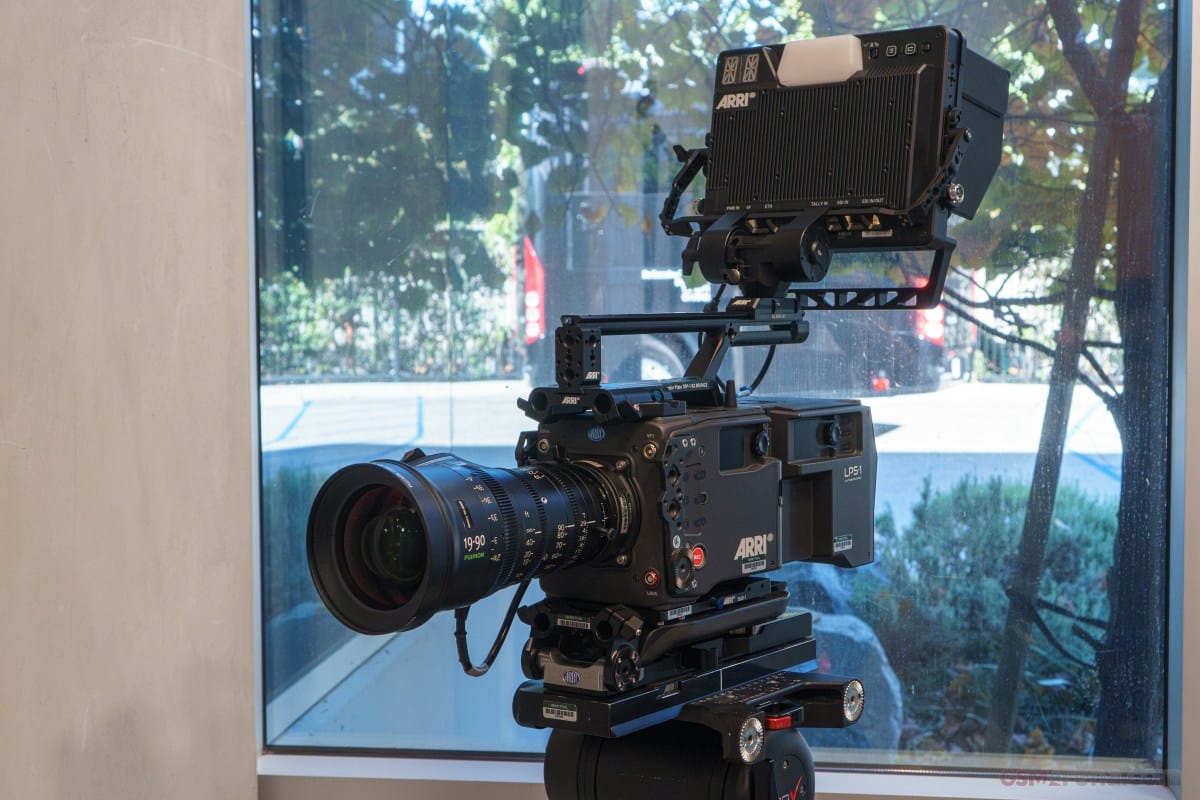
LogC3 is a professional standard that retains maximum information during video recording, creating an ideal foundation for color grading. The main and telephoto cameras on the Magic9 Pro Max now utilize this curve. As a result, users can record video that features the tonal response characteristic of ARRI cinema cameras. Furthermore, the smartphone supports the ARRI Wide Gamut 3 color space, ensuring full compatibility with professional editing software.
What Is the Real Result?
It must be noted that the Magic9 Pro Max does not replace a professional cinema camera. While the colors and tonality are astonishingly close to the ALEXA Mini LF, $100,000 hardware still leads in terms of absolute detail and sharpness. However, the addition of 87 different cinematic "ARRI Looks" allows even amateurs to capture professional-quality video without complex post-processing.
This partnership represents a significant step for mobile photography and videography. It demonstrates that smartphones are moving closer to film industry standards, opening up new possibilities for content creators everywhere. Whether this feature will be sufficient for professionals to adopt the smartphone as a secondary camera remains to be seen through time and practical testing.