Greece to Ban Social Media for Children Under 15
The government is implementing strict new measures to ensure the safety of minors online.
New Regulations in the Greek Digital Space
The Greek Parliament has passed legislation prohibiting children under the age of 15 from using social media. The initiative, originally announced by Prime Minister Kyriakos Mitsotakis earlier this year, will come into effect on January 1, 2027. This move is considered one of the strictest and most unprecedented decisions within the European Union.
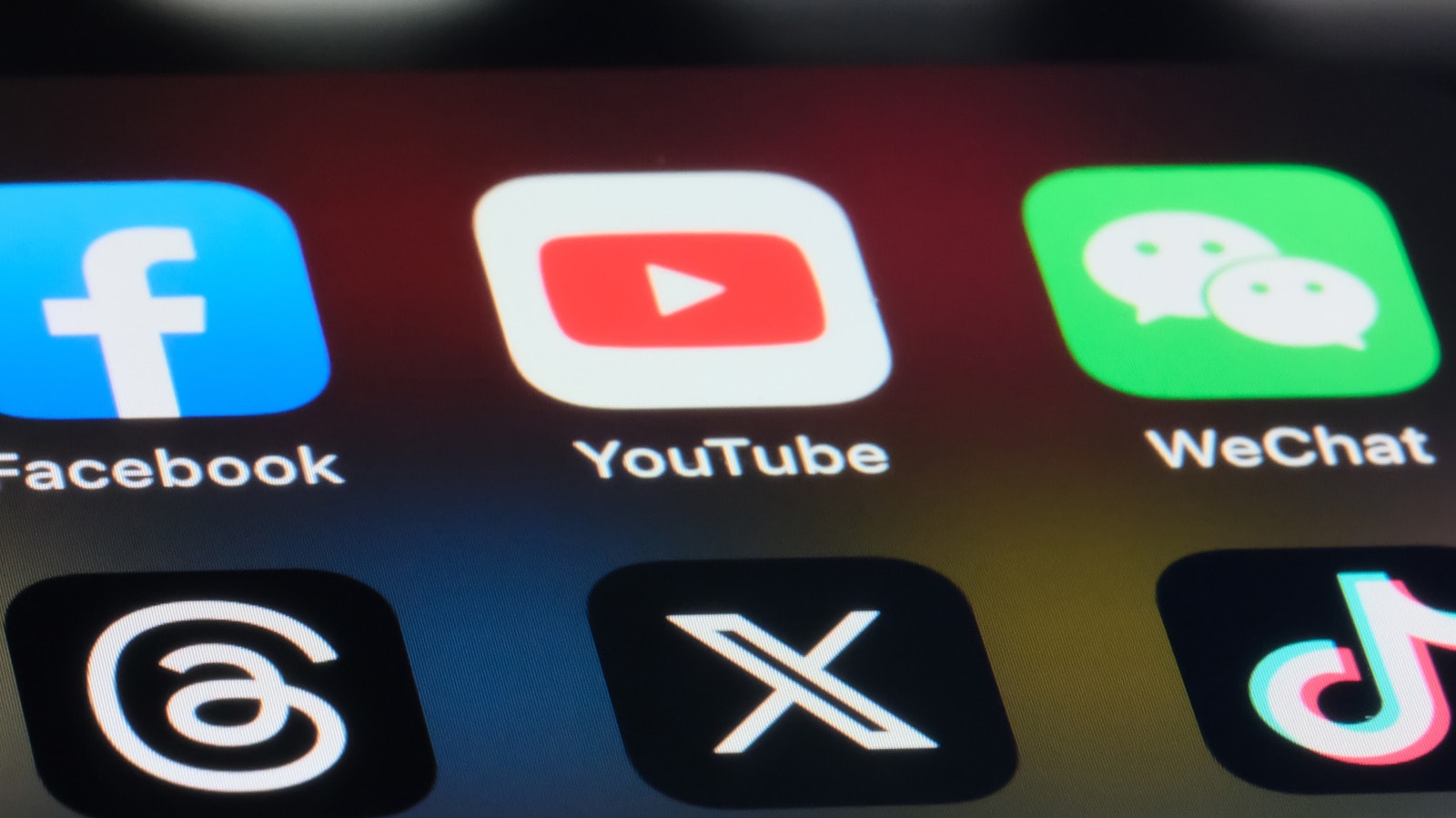
The new law applies to popular platforms such as TikTok, Instagram, Facebook, and X. Companies are required to implement reliable and proportionate age-verification mechanisms to restrict access for minors. Failure to comply will result in significant fines under the EU's Digital Services Act.
Technological Control and Parental Involvement
Specialised applications will play a central role in enforcing the law. Parents will be required to install government platforms, such as Kids Wallet or Gov.gr, on their children's devices. These applications will link directly to the child's smartphone to block access to restricted resources.
Dimitris Papastergiou, Minister of Digital Governance and Artificial Intelligence, stated that the system is designed with personal data protection in mind. The applications will use "age tokens," allowing for age verification while minimising the disclosure of personal information.
Public Reaction and the European Context
Although opposition parties did not support the bill, Prime Minister Mitsotakis managed to pass it with the support of his majority. Public opinion polls indicate that a large segment of the population views these restrictions favourably. Notably, Greece already banned the use of mobile phones in schools in 2024.
The Greek government hopes this initiative will encourage the EU to take similar steps. While the European Commission has introduced the "EU Kids Act," it only proposes a total social media ban for children under 13. Australia has implemented a similar global ban, though the technical process of age verification remains a challenge there.
This decision by Greece is further evidence of states increasingly attempting to regulate the influence of digital platforms on minors. This experience is relevant for parents and the technology sector globally, as the ongoing international discussion regarding child safety and the impact of social media may eventually influence local agendas.