GrapheneOS Adds Linux 6.18 Kernel Support for Pixel 10 Series
The latest stable update brings a more modern and optimised kernel to Google's newest flagship devices.
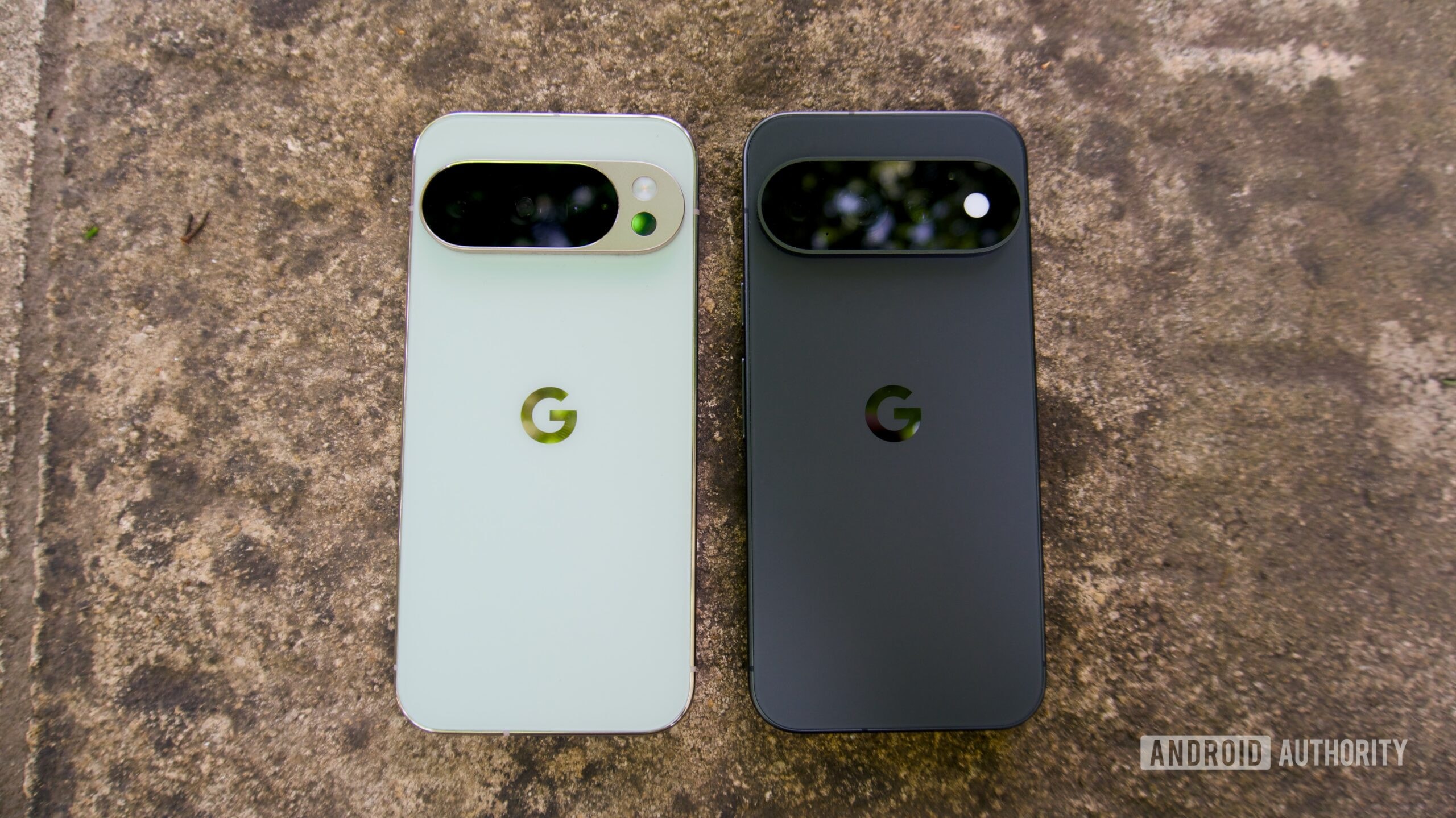
New Capabilities for Pixel 10 Users
The security-focused operating system GrapheneOS has launched a major update for the Pixel 10 smartphone series. The update covers the Pixel 10, 10 Pro, 10 Pro XL, and Pro Fold models, introducing integration with the Linux 6.18 kernel. This update is now available in the stable channel as version 2026110200.
The Linux kernel serves as the fundamental component of an operating system, managing communication between hardware and software. With this update, GrapheneOS users gain a more modern and optimised environment compared to Google's standard factory software. Notably, official Pixel systems for these devices currently continue to utilise the Linux 6.6 kernel.
Stability and Future Plans
The GrapheneOS team reports that the update process is proceeding smoothly. According to information shared on X, no reports of technical glitches or system errors have been received from users so far. This indicates that the team has successfully optimised the system for the new hardware platform.
Beyond current improvements, developers are actively working on support for future generations of devices. According to their roadmap, the release of the stable version of Android 17 QPR2 will be critical for adapting GrapheneOS to the Pixel 11 series. This version is required to enable Memory Tagging Extension (MTE) firmware support, which provides an additional, vital layer of system security.
What This Means for Users
For technology enthusiasts, including those in Georgia where Google Pixel smartphones are becoming increasingly popular, projects like GrapheneOS generate significant interest. Users who prioritise privacy and full system control often turn to this operating system, as it functions without Google services while maintaining maximum security standards.
The transition to the Linux 6.18 kernel means that Pixel 10 owners will benefit from more stable and efficient operation, which is particularly important for long-term device usage. While installing GrapheneOS requires a certain level of technical knowledge, it remains one of the best alternatives for those who wish to maximise their smartphone's potential without compromising on security.