Google's Pause Point Feature Expands to More Android Smartphones
The digital wellbeing tool, previously exclusive to Pixel devices, is now seeing a wider release.
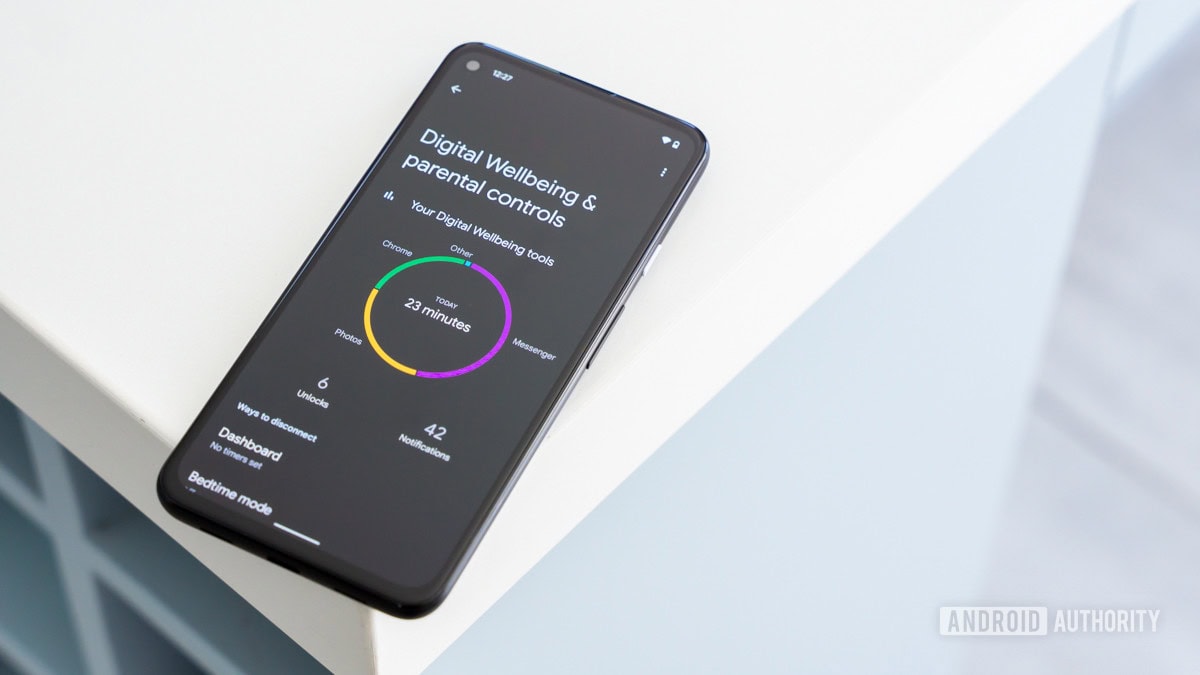
A New Step Against Digital Addiction
In the era of modern technology, smartphones have become an inseparable part of our lives. However, excessive use—often referred to as 'doomscrolling'—can negatively impact our productivity and mental health. Back in May, ahead of the I/O conference, Google introduced an innovative feature called Pause Point, which offers users short breaks for a digital detox.
Initially, it was believed that this tool would be exclusive to Pixel 11 owners. However, the company revised its strategy, and as part of the Android 17 QPR1 update, the feature became available on other Pixel models. It is now confirmed that Pause Point has moved beyond the Google ecosystem and has started appearing on devices from other manufacturers.
How Pause Point Works
The primary goal of Pause Point is to help users manage their time spent in applications more mindfully. When the system detects prolonged and intensive app usage, the feature automatically suggests a short break. It serves as a reminder that it is time to stop endless scrolling and return to the real world. Such tools are part of the Digital Wellbeing suite, which aims to create a healthy balance for screen time.
It has been reported that the feature has already been spotted on a OnePlus 13R running the ColorOS 17 beta. This indicates that Google is actively working to adapt the feature for various interfaces, which will significantly increase its accessibility for Android users worldwide.
What This Change Means for Users
Google's decision to expand support for Pause Point is a positive step. Often, exclusive features are limited to a specific brand's devices, leaving a large portion of users without access to useful tools. This new approach confirms that 'digital wellbeing' is becoming a priority not just for specific smartphone owners, but for the entire operating system.
For users in Georgia who actively rely on Android smartphones, this change means that we can expect to see even more smart tools on our devices in the near future. These features help us become more mindful of the content we consume and help us avoid digital fatigue. Although the feature is still in the process of a wider rollout, it already represents a significant step toward developing healthier digital habits.