Google's New Smart Display: What It Can Learn From Apple
Uncertainty Surrounding Google's Smart Home
The past few months have been challenging for users of Google's smart home devices. Following the launch of the Google Home Speaker, many anticipated a new era for the platform, but the reality has been different. The company has officially discontinued popular products like Nest Audio and Nest Mini. Furthermore, the second-generation Nest Hub and Nest Hub Max are currently out of stock on the Google Store, highlighting a significant vacuum in the market.
Despite these quiet shifts, the tech world is buzzing with talk of a new Google Home Display. Comments from company executives and internal sources suggest that the development of a new smart screen is inevitable. This device is expected to rely heavily on the capabilities of the Gemini artificial intelligence (AI).
What Should Google Borrow From Its Competitor?
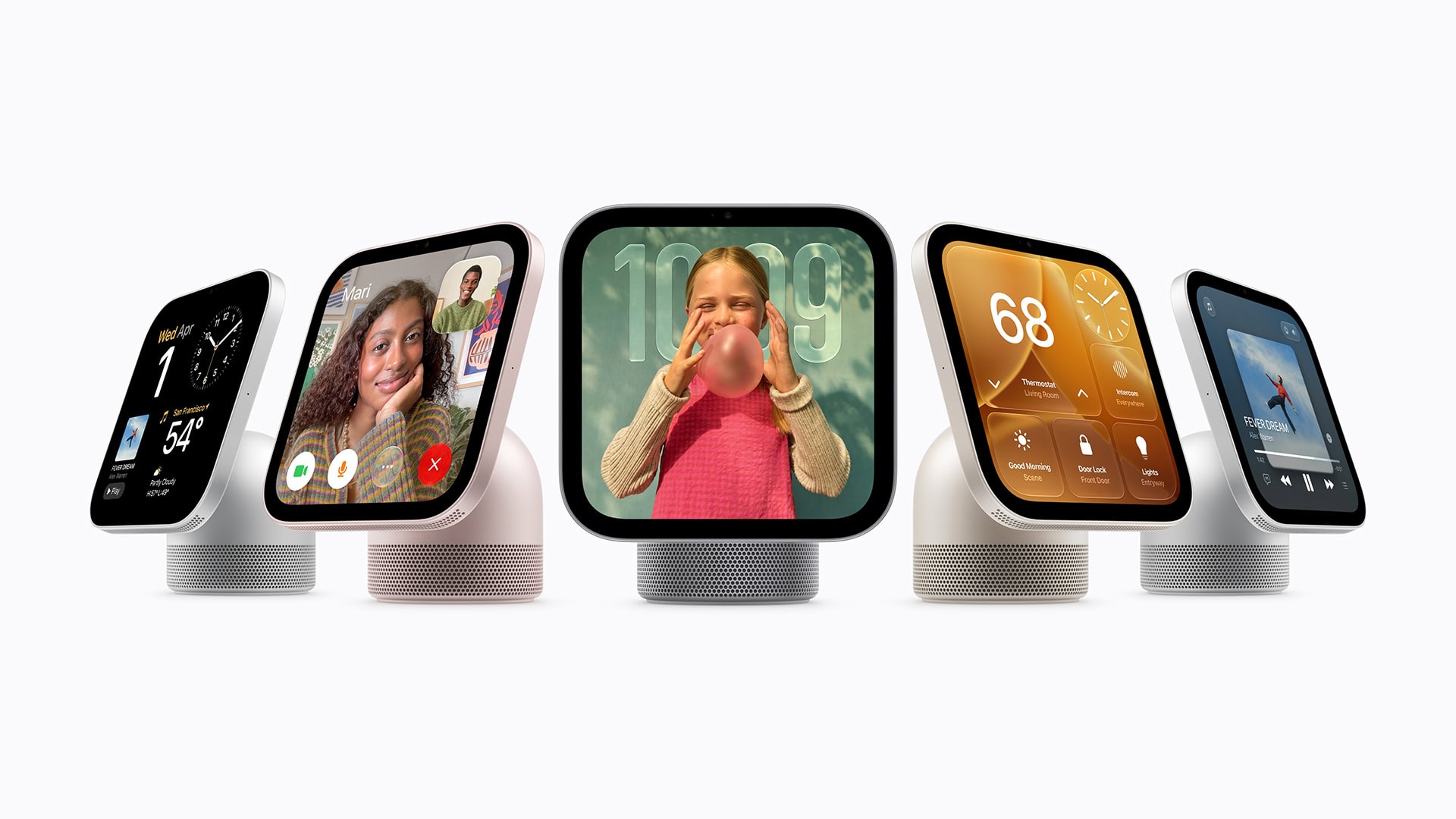
Apple’s upcoming HomeView project will pose serious competition to Google. To regain its leadership, Google must focus on several critical aspects. First, it needs to prioritize interface simplicity. Apple is renowned for its intuitive design, allowing users to control home lighting or climate systems with minimal effort. Google must synthesize its numerous applications into a unified, stable environment.
Privacy is the second crucial factor. Users are increasingly wary of data collection by smart home devices. If Google can demonstrate that Gemini processes data locally as much as possible, it would provide a decisive advantage. Additionally, the physical design of the device needs an update; it should no longer be just a "screen," but a piece of decor that blends harmoniously into a modern home.
What This Means for Users
For users who actively utilize the Google Home ecosystem, these updates offer a sense of hope. The popularity of smart home technologies is growing, though a shortage of devices and the discontinuation of support for older models have created difficulties. The launch of a new generation of hardware signals that Google intends to remain active in the market, offering refreshed and smarter services.
Ultimately, this is a chance for Google to reset its strategy. The company needs a product that is not only functional but also aesthetically appealing. If the new Home Display succeeds, it could become a central hub in any modern home, where artificial intelligence simplifies daily routines.