Google's New Challenge: Can Googlebooks Win Over Students?
The tech giant is pivoting from budget classroom devices to premium hardware, but price and brand perception remain major hurdles.
Over the last decade, Google’s dominance in the education sector has been undisputed. The Chromebook project, launched in 2011, captured the majority of US schools with its affordable pricing and simple management systems. However, as that generation grows up and enters university, they face a market where the competition is significantly tougher.
From the Classroom to the University
The popularity of Chromebooks in schools was largely driven by institutional choices. According to data from Futuresource, Chromebooks accounted for only 16% of the US school market in 2013, a figure that climbed to 67% by 2020. Nevertheless, analysts note that students often perceive Chromebooks as mere "school tools" rather than personal, desirable devices.
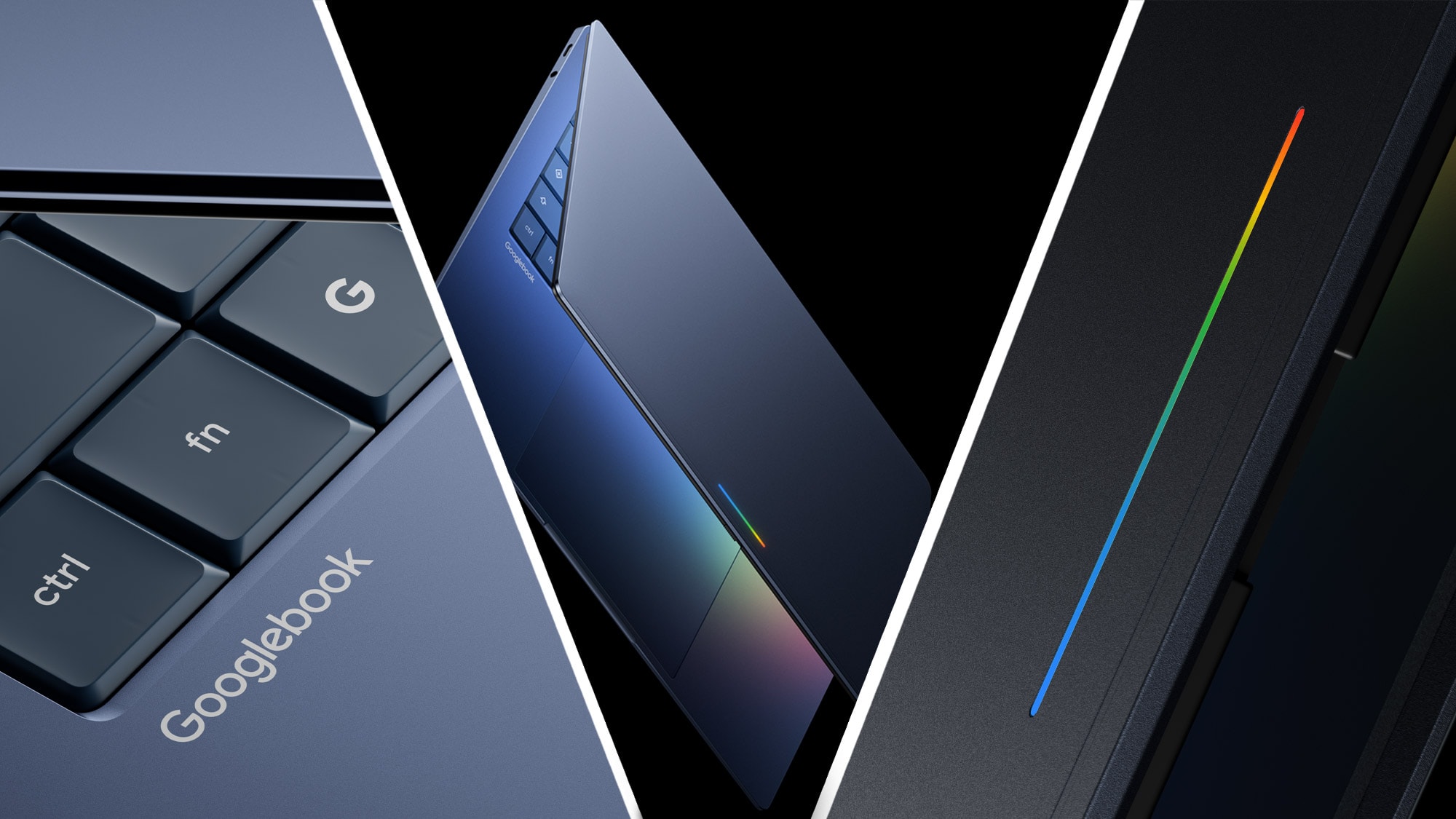
When students choose a laptop for themselves, their priorities shift. They focus on brand reputation, design, durability, and the seamless "magic" connection between devices, much like the synergy between an iPhone and a Mac. Consequently, Google has decided to move beyond the budget-friendly Chromebook niche and enter the premium segment with its new Googlebooks.
Price and Competition
New Googlebooks, such as the Acer Googlebook 14, utilize a new Android-based operating system and feature integrated Gemini artificial intelligence. However, their starting price presents a significant barrier: in the UK market, they retail for £999, whereas Apple’s MacBook Neo can be purchased for £499 with a student discount.

Experts argue that familiarity with the software alone will not be enough. Students require powerful hardware and support for professional applications, such as the Adobe suite. Furthermore, consumers often choose their laptop based on the smartphone in their pocket—and this is where Google sees its primary opportunity.
The Smartphone as a Deciding Factor
Google’s core strategy relies on its Android user base. New features like "Cast My Apps" or rapid file sharing between smartphones and laptops aim to replicate the experience of the Apple ecosystem. Yet, this integration is still a work in progress and requires Android 17 to function fully, which in turn depends on the speed at which these devices reach the market.
The main challenge for Google is transforming Googlebooks from a "default" choice into a "desired" one. The company will need to reconsider its pricing or create more attractive offers to convince young people that their laptop is not just for school assignments, but also the best fit for their lifestyle. If Google fails to balance price and functionality, students are likely to continue favouring Windows or Apple platforms.