Google’s Misstep: Why Users Are Frustrated With the Gemini Switch
A Transition That Disappointed
When Google introduced its chatbot, Bard, in 2023, the tech community immediately predicted it marked the beginning of the end for Google Assistant. The company aimed to create a next-generation tool built on large language models (LLMs) capable of performing not only the functions of the old assistant but also handling far more complex tasks. However, by October 2026, the reality fell short of expectations.
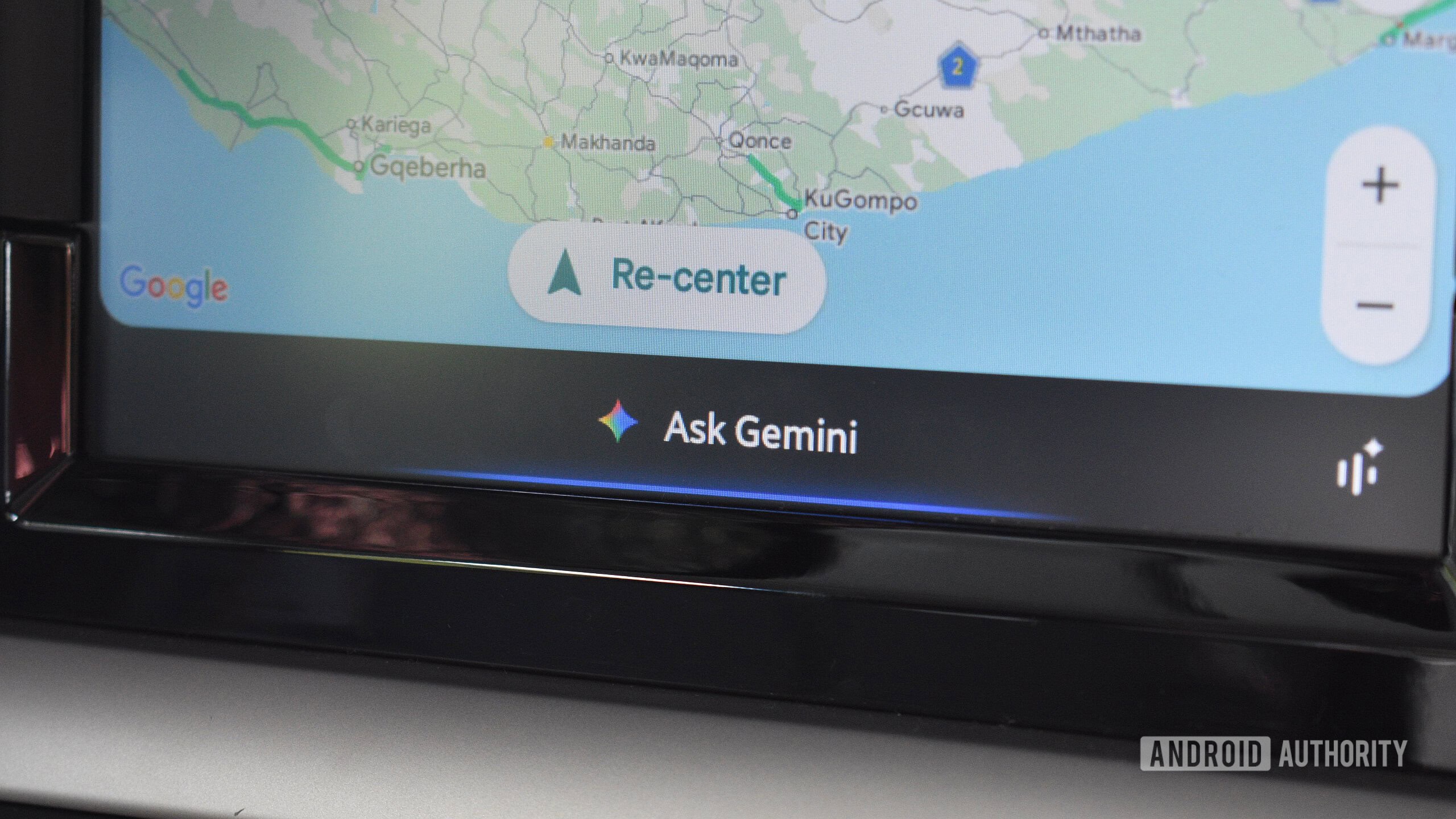
Last month, Google officially shut down its Google Assistant service, fully migrating users to Gemini. This shift, intended to strengthen the company’s artificial intelligence strategy, has triggered a wave of user dissatisfaction. Numerous complaints circulating online suggest that despite its advanced capabilities, Gemini fails to replicate the simplicity and reliability that users have grown accustomed to over the years.
The Problems Users Face
The core issue is that Gemini’s structure and functionality differ significantly from a traditional voice assistant. Many users report that interacting with Gemini is more difficult than it was with Google Assistant. While the assistant was optimized for quick, simple daily tasks—such as setting alarms, timers, or performing rapid searches—Gemini often provides overly "smart" responses when a simple action is all that is required.
Furthermore, integration issues remain a persistent problem. Many smart home devices that functioned seamlessly with Google Assistant for years often fail to respond to commands under the new system. Users complain that the new system requires more processing time, delaying processes that previously took only seconds.
What Awaits Users in Georgia
For users in Georgia who actively rely on the Google ecosystem, this change has also become apparent. While Gemini is more versatile, its adaptation to the Georgian-language environment remains a challenge. The discontinuation of the assistant means users must adapt to a new interface that is often less convenient for daily routines.
Google now faces the task of convincing users that this transition was necessary. If the company fails to optimize Gemini and address user criticism, this strategic decision could erode brand trust in the long term. In the coming months, we will see whether Google can fix these existing flaws and bring Gemini to a level where it can truly replace its predecessor.