Googlebook: New Laptops From Google That Lack a Polished OS
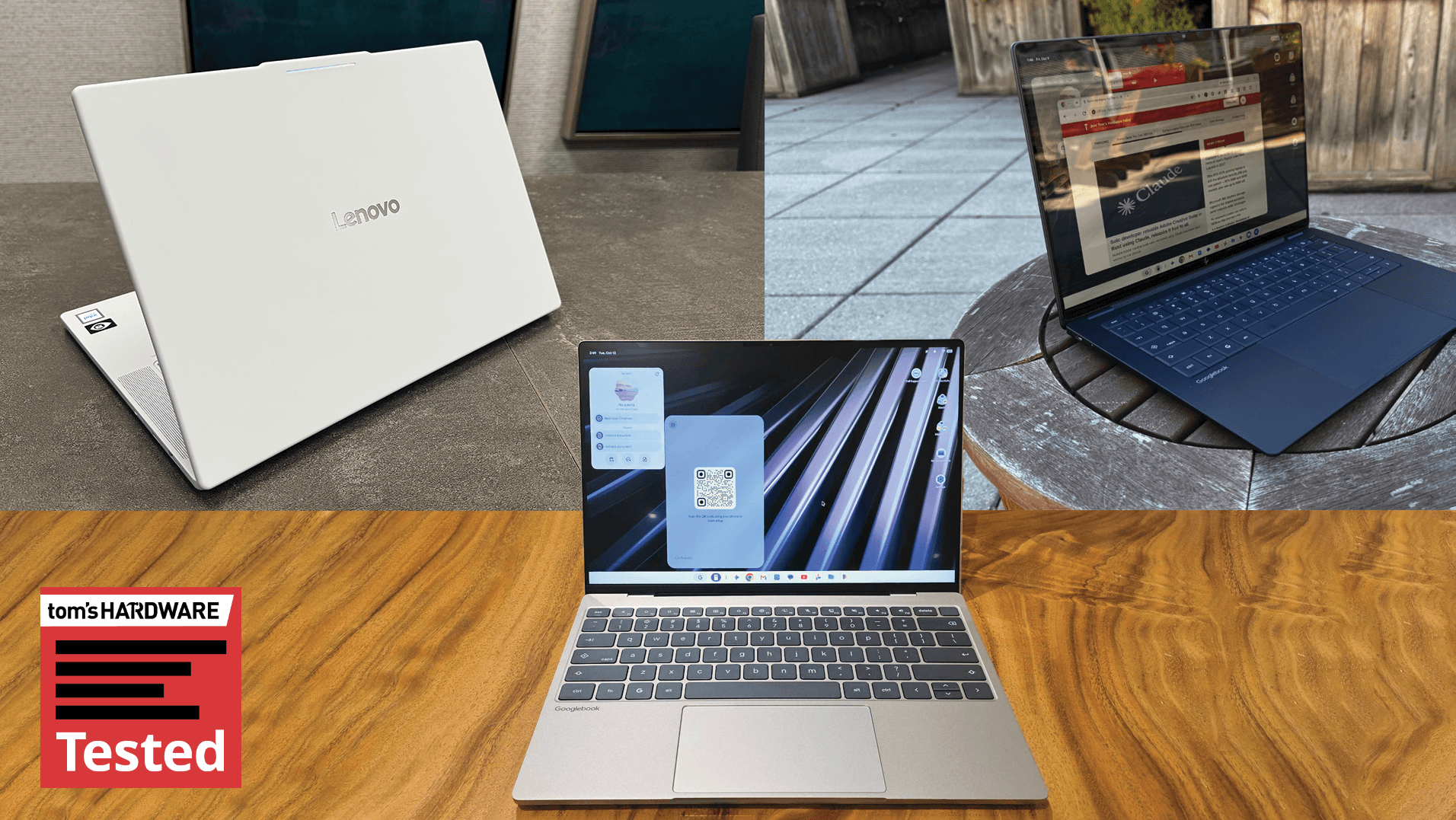
Google has officially introduced its Googlebook line, aiming to redefine the traditional laptop concept. Through partnerships with Dell, Lenovo, HP, Acer, and Asus, the company is offering devices that blend the functionality of a full-fledged personal computer with the simplicity of Android. However, early testing indicates that while the hardware is excellent, the operating system is still in its infancy.
Hardware and Design
The models tested, including the Lenovo Googlebook 15, HP Googlebook 14, and Dell XPS Googlebook, bear a striking resemblance to modern Windows laptops. The Dell model mirrors the design of the XPS 13, while the HP version is based on the OmniBook Ultra. Lenovo has focused on a lightweight, airy aesthetic, utilizing a combination of carbon fibre and aluminium.
All models feature a 'Glowbar'—a light strip located on the lid. It serves both aesthetic and functional purposes, changing colours during interactions with Gemini or to indicate battery status. While official personalisation settings are limited, a hidden 'Glowbar Disco' application allows users to select various animation modes for the lighting.
Operating System and Performance
The primary goal of Googlebook OS is to blur the lines between Android and the laptop experience. The interface will feel familiar to Pixel smartphone users, but this approach introduces challenges. Interface elements are often optimised for touchscreens rather than mouse input. Furthermore, the file management system lacks standard desktop features, such as 'forward' and 'back' buttons, which can hinder productivity.
Technically, the devices are divided into two groups: those powered by Qualcomm Snapdragon X Elite processors and those using Intel Core Series 3 'Panther Lake' chips. Tests show the Snapdragon versions are faster in multi-core tasks, while the Intel models lead in battery life. Notably, application installation is restricted to the Play Store, making the system feel quite closed.
What to Expect
Googlebooks represent an interesting step for users deeply embedded in the Google ecosystem. However, if your work requires specialised software not found in the Play Store, or if you need robust multi-user profile support—which is currently limited—these devices may not yet serve as a complete alternative. Google will need to significantly optimise the operating system before it is truly ready for desktop standards.