Google to Replace Magic Cue with Proactive Assistance on Pixel
The transition is set to be completed by the end of 2027.
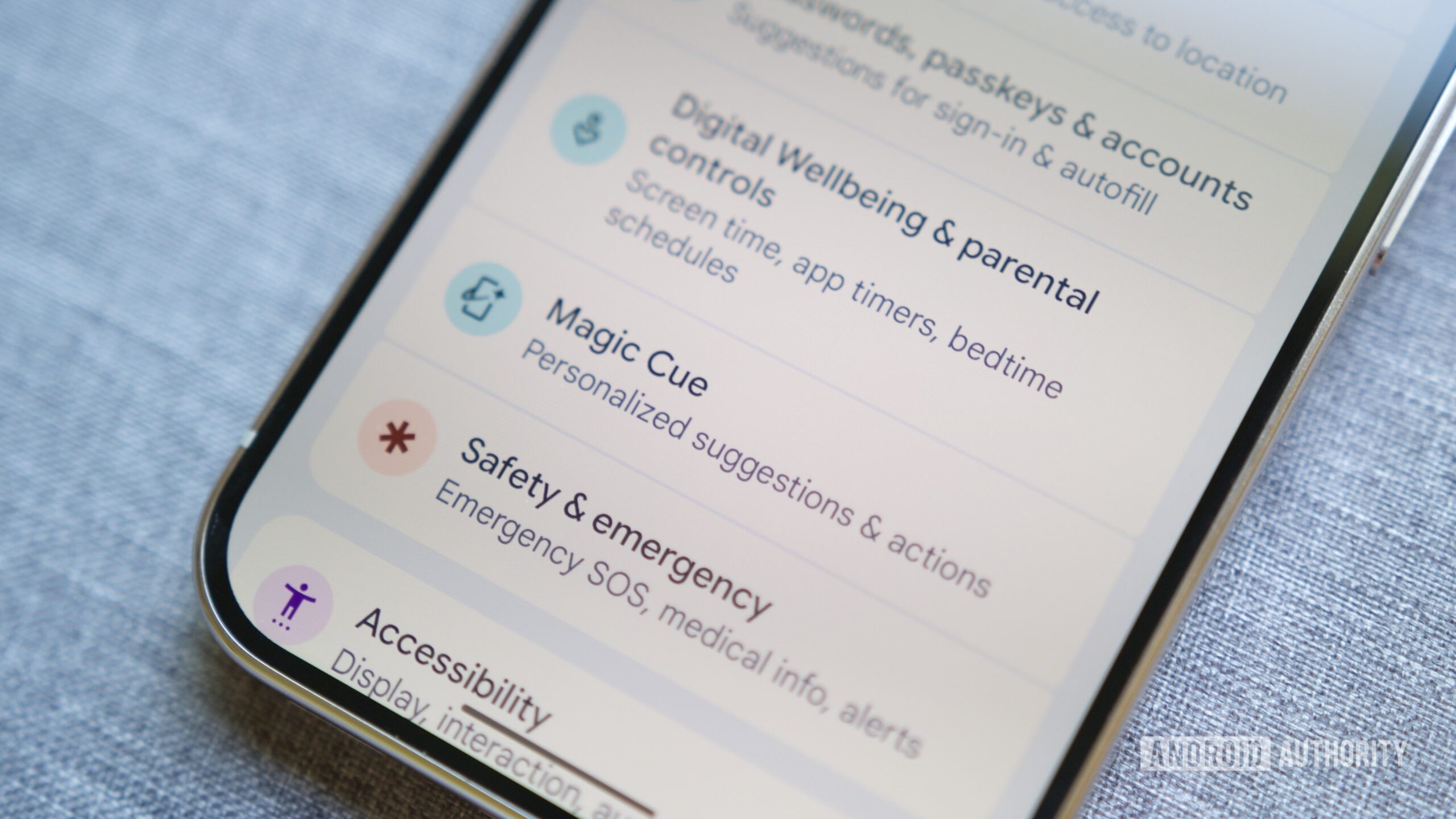
Moving from Magic Cue to Proactive Assistance
Google is continuously refining and optimising the artificial intelligence tools within its ecosystem. According to the latest reports, the company is preparing to fully replace Magic Cue, a well-known feature on Pixel smartphones. It will be succeeded by Proactive Assistance, which first debuted alongside the Pixel 11 series.
Magic Cue was originally introduced for Pixel 10 users. Its primary purpose was to automatically locate key information within a user’s applications and provide reminders at the right moment. While the tool was designed to simplify daily digital routines, Google has clearly developed a more effective alternative.
What This Means for Users
Following the release of the Pixel 11, the presence of two systems with overlapping functionality raised questions among users. Although both services perform similar tasks, Proactive Assistance offers a more modern and sophisticated approach. Analysis of technical documentation and code indicates that Google is already working on the migration process for users.
New software code suggests that the company plans to completely discontinue Magic Cue by the end of 2027. This move is a logical step, as maintaining a single, more powerful system will allow Google to manage its resources more efficiently. For users, this translates to a more stable and intelligent assistant that is better equipped to understand their needs.
Why This Matters
Google’s decision reinforces its strategy to maximise user experience through artificial intelligence. While the retirement of Magic Cue will require some adjustments, the capabilities of Proactive Assistance ensure that functionality will not be lost, but rather enhanced.
For users who rely on Pixel smartphones, this transition is expected to be seamless. Google services update automatically, meaning no additional action will be required. It remains important to monitor how this system evolves and whether it becomes more adapted to various linguistic and regional contexts, which will be of particular interest to users in markets such as Georgia.