Google Selects AMD Over Its Own Chips for Confidential AI
Google’s new TPU 8tx system utilizes AMD Epyc processors to prioritize security in enterprise AI.
A New Partnership for AI Security
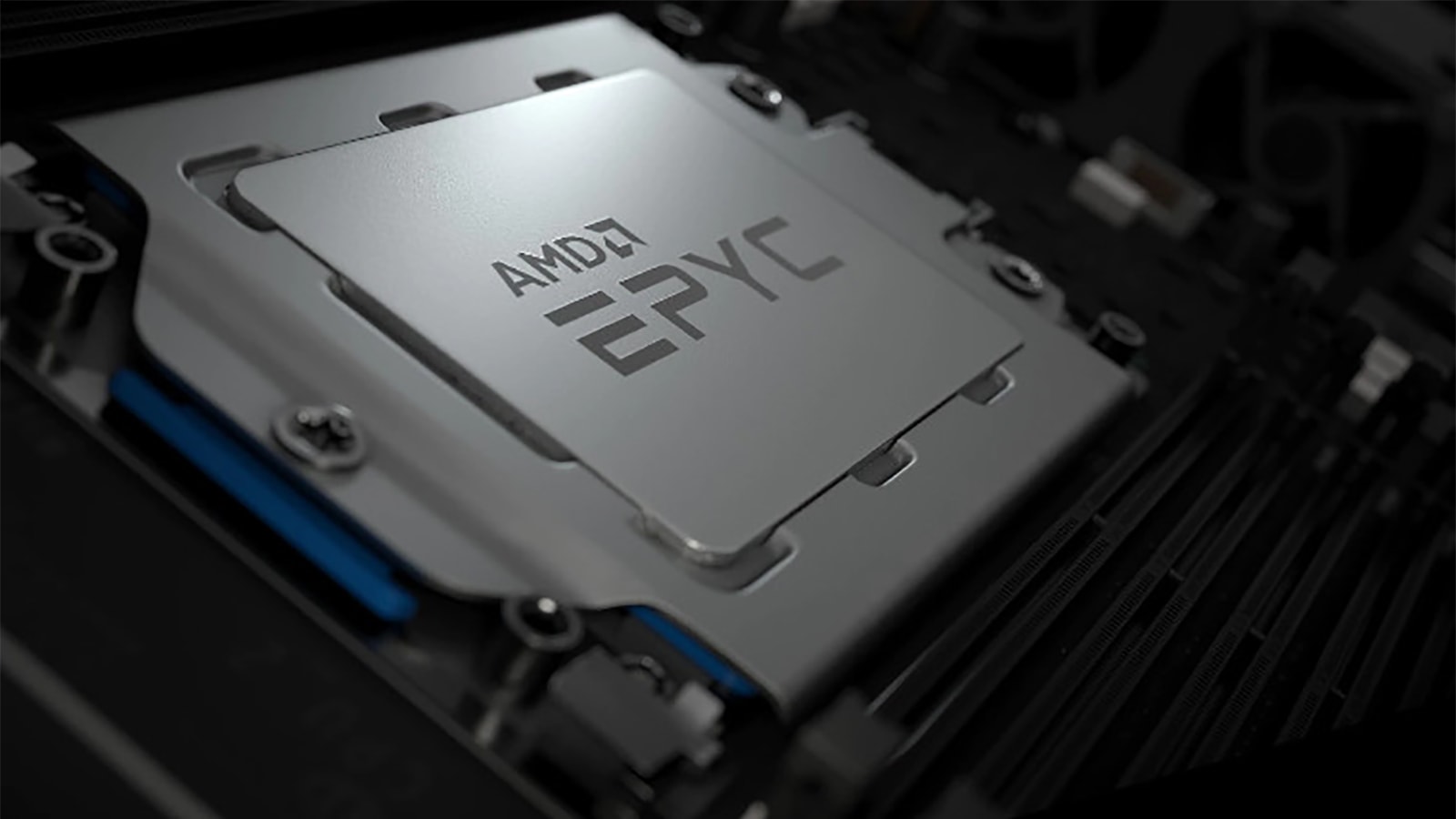
Google has expanded its eighth-generation Tensor Processing Unit (TPU) family with two new systems. Most notable among them is the TPU 8tx, designed specifically for confidential computing. Despite Google’s ongoing development of its proprietary Axion processors, the company chose AMD’s fifth-generation Epyc “Turin” server processors for this project.
While this decision may seem unexpected to some, it is technically justified. Google’s current confidential computing architecture relies heavily on the x86 ecosystem and AMD’s established security technologies. Consequently, the company opted for a trusted, audited platform rather than adapting its newer Axion chips, which could have compromised the product’s security guarantees.
How the Secure Environment Works
The primary purpose of the TPU 8tx is to enable companies and government organizations to train and run AI models on private data without that information leaving a secure perimeter. AMD’s Secure Encrypted Virtualization (SEV) technology ensures that data is encrypted both in memory and during transit.
The system verifies the identity and security configuration of each accelerator before granting access to protected memory. As a result, model weights, sensitive information, and intermediate data remain secure even while in active use. This approach is vital for users who prioritize data privacy above all else.
Why Google Axion Was Not Used
Google’s decision to bypass its own Axion processors in favor of AMD highlights that in the realm of confidential computing, trust and years of security auditing are more critical than internal technological integration. Google’s security experts have long conducted detailed inspections of AMD’s firmware, which serves as the foundation for the company’s existing cloud services.
Furthermore, the technical specifications of the TPU 8tx, such as the PCIe Gen5 x16 interface, are optimally suited to the capabilities of AMD Epyc processors. This does not signal that Google is abandoning its own chips; rather, it demonstrates that AMD’s server platforms remain a critical component of Google’s enterprise AI strategy.
What This Means for Users
Although the TPU 8tx will initially be available to a limited number of clients, its market entry highlights a broader trend: AI infrastructure is becoming increasingly security-focused. In the future, the adoption of such technologies will allow organizations to utilize Google’s powerful AI tools without fearing data leaks or unauthorized access.
For businesses and users, this indicates that cloud service security standards are rising. When technology giants like Google and AMD collaborate on such complex solutions, it ultimately strengthens the reliability of the entire industry.