Google Pixel 6: How This Controversial Phone Defined the Brand's Future
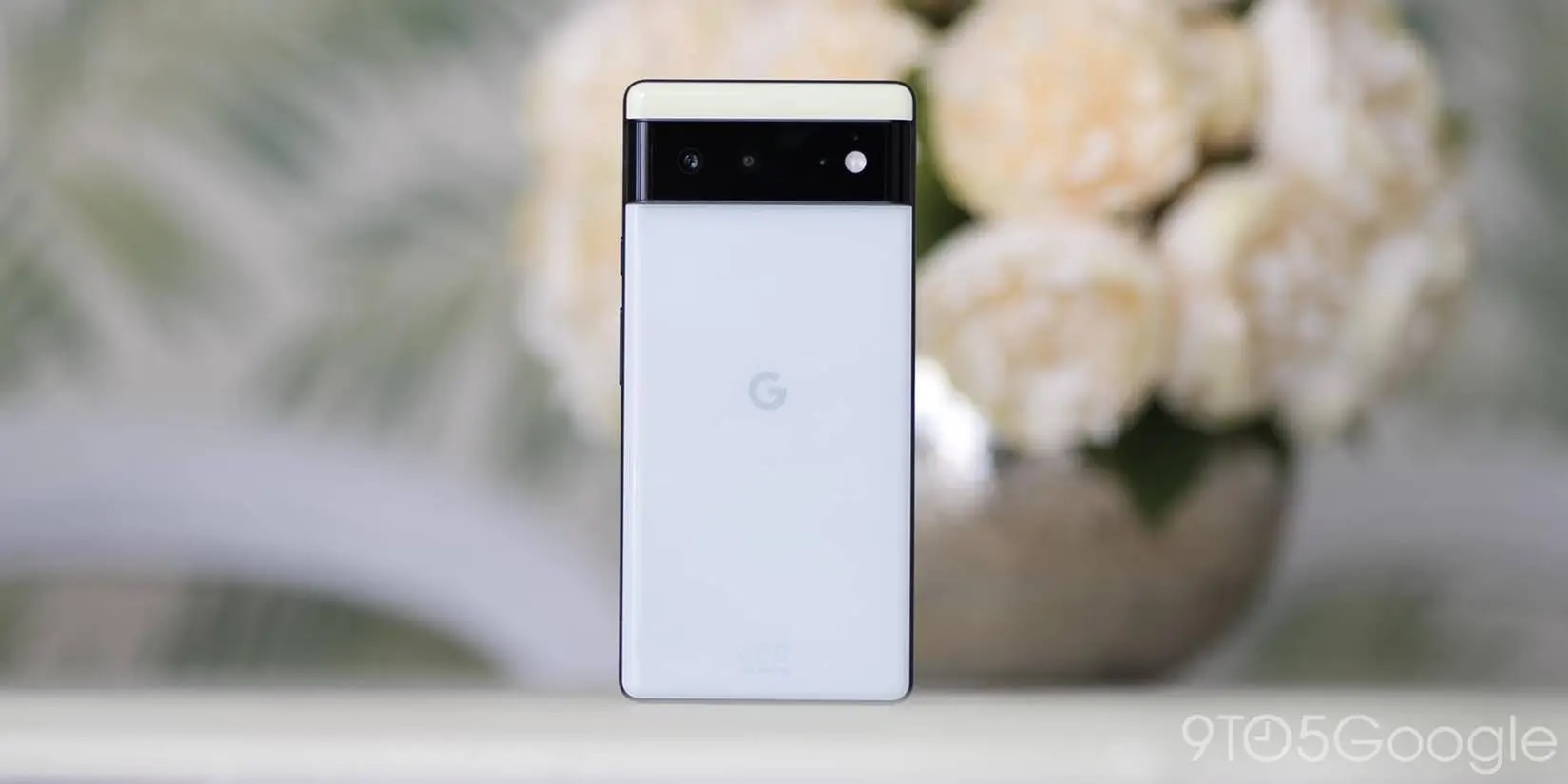
The launch of the Google Pixel 6 and 6 Pro in late 2021 was one of the most talked-about events in the smartphone market. For years, the Pixel series had suffered from an identity crisis, offering users experimental features paired with mid-range technical specifications. With the Pixel 6, Google decided to finally compete directly with market leaders like Apple and Samsung.
A New Design and the Tensor Era
The Pixel 6 series radically altered Google’s design language. The most striking element was the horizontal camera bar, which gave the phone a unique look while ensuring stability when placed on a surface. However, the design had its drawbacks: the phones were quite heavy and slippery, which disappointed fans of compact smartphones.
The most significant innovation was the introduction of Google’s own processor, Google Tensor (G1). Although it did not outperform competitors in synthetic benchmarks, its primary purpose was to process artificial intelligence (AI) tasks locally. This enabled features like high-accuracy voice typing, real-time translation, and Magic Eraser, which significantly improved the user experience.
Technical Problems and Lessons
Despite the success, the Pixel 6 was plagued by numerous issues. Users frequently complained about the slow performance of the under-display fingerprint scanner, a result of an imperfect optical sensor. Even more severe were the connectivity problems; the Samsung modem failed to provide a stable signal, leading to dropped calls and difficulties accessing the internet.
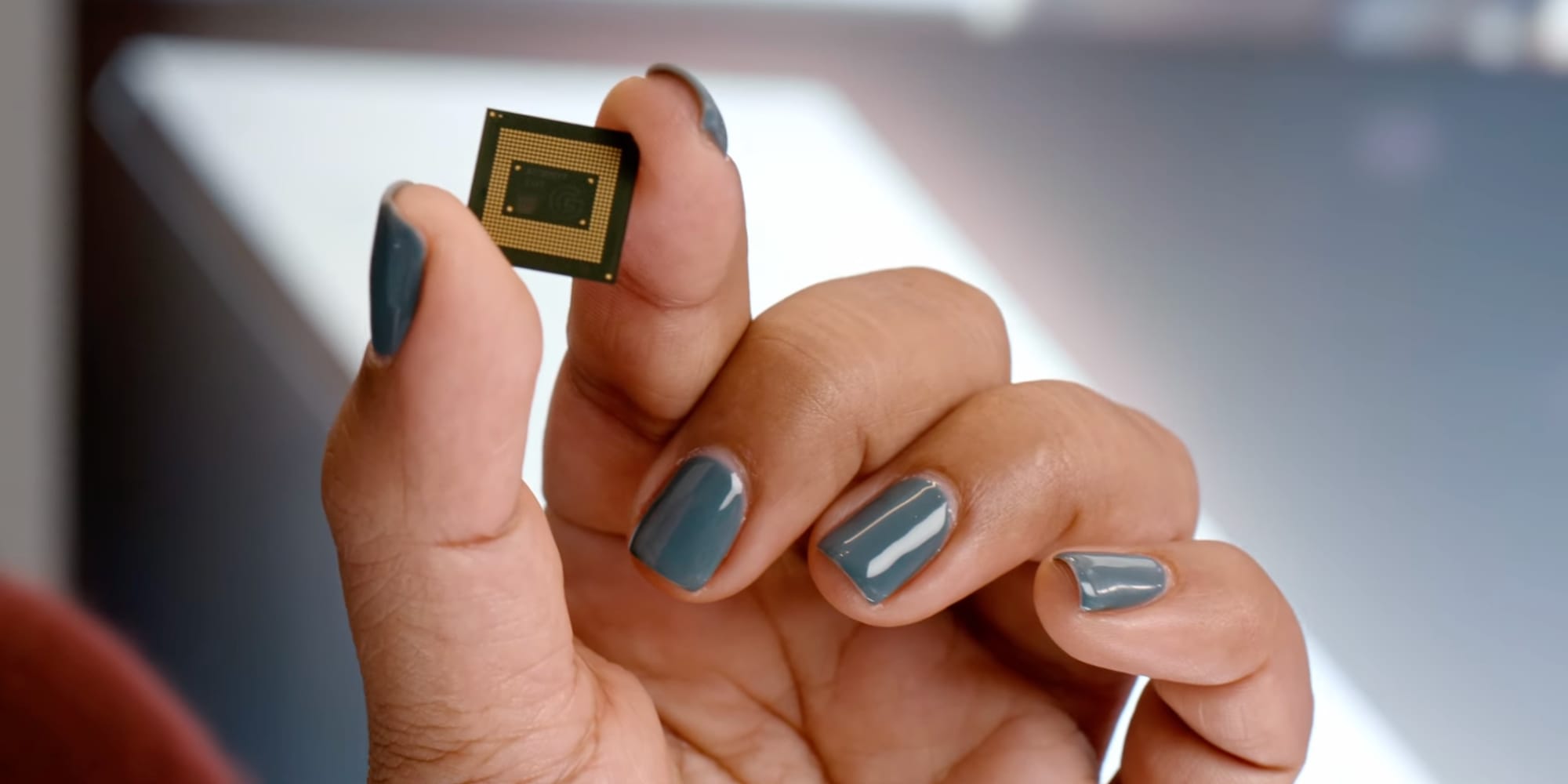
Furthermore, the first-generation Tensor processor struggled with thermal management. Under heavy loads, the phone would heat up quickly, which negatively impacted battery life. To make matters worse, initial versions of Android 12 contained bugs that led to a serious crisis in December 2021, forcing the company to temporarily halt software updates.
Legacy and Impact Today
Despite the criticism, the Pixel 6 laid the foundation for modern Pixels. New, larger camera sensors allowed Google to reach a new level in photography and move away from its aging 12.2-megapixel sensors. Today, we see how these ideas have been refined in subsequent models: the camera bar has become more integrated, modems are more stable, and AI tools are far more sophisticated.
The Pixel 6 was a bold, albeit "messy" project that showed Google where the line was between ambition and technical reality. Today, as new generations of Pixel hit the market, it is clear that this 2021 "reboot" was essential for the brand's future success. For users in Georgia, this is significant because Google smartphones are becoming an increasingly accessible and competitive choice, focusing not just on technical specifications, but on software intelligence.