Google Introduces New Gemini Features for Android Auto
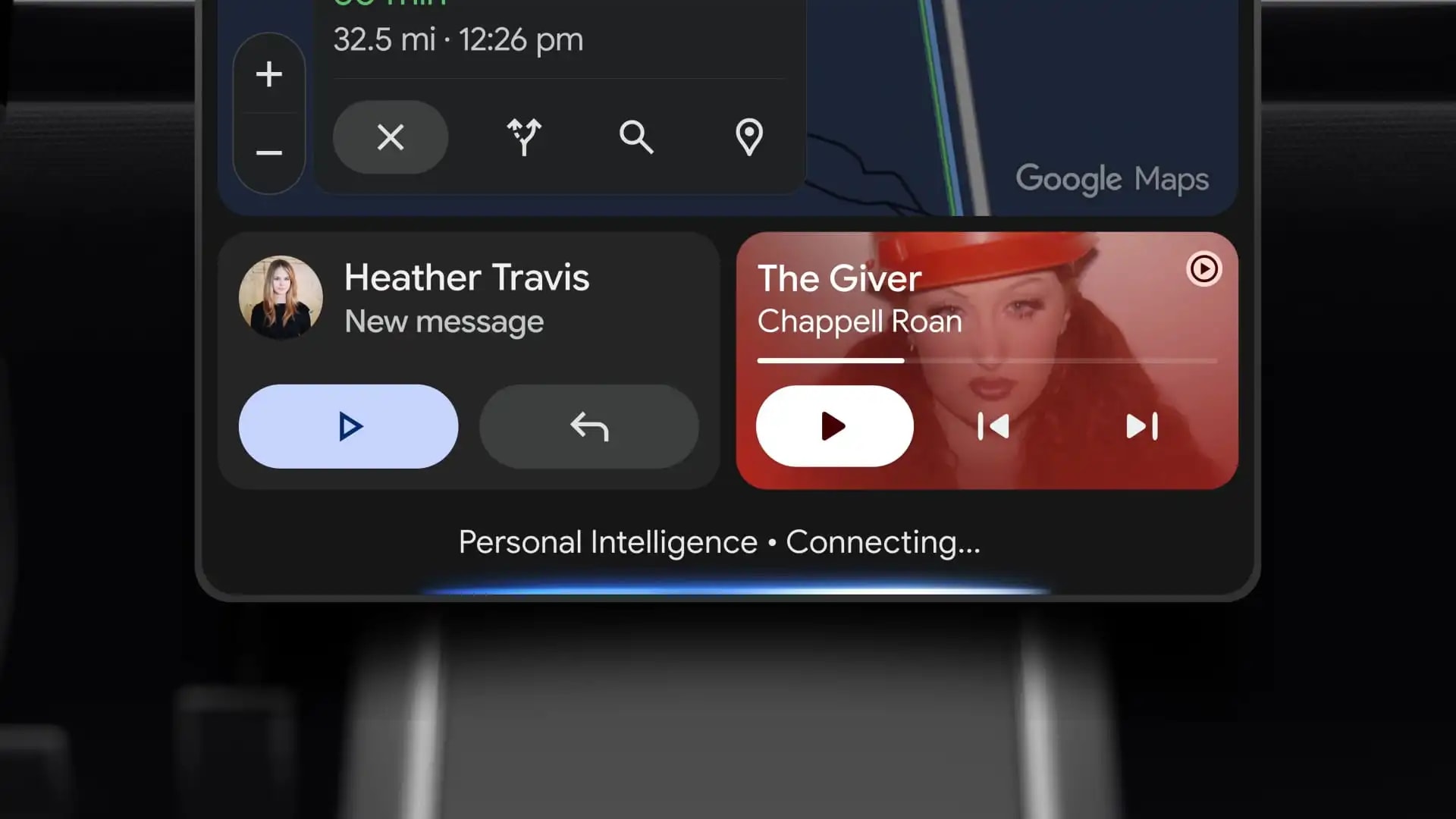
A Personalized Assistant Behind the Wheel
Google has announced a major update for Android Auto users. The company is equipping its AI-powered assistant, Gemini, with a new capability known as Personal Intelligence. This innovation will allow drivers to experience much more natural and personalized communication with the Google ecosystem while on the road.
How the New Technology Works
The Personal Intelligence feature enables Gemini to connect with your Google Workspace, including Gmail, Calendar, Google Photos, Maps, Search, and YouTube. As a result, the assistant is no longer just a source of general information; it takes into account your personal schedule, messages, and preferences.
For example, if you ask, "Which gate is my flight at, and is it on time?", Gemini will automatically retrieve this information from your emails. Similarly, you can simply say, "Take me to the doctor," and the system will automatically determine the destination based on the appointment listed in your calendar.
Comfort and Privacy
A key advantage of this update is contextual understanding. If you ask the assistant to find a restaurant that matches your "usual style," Gemini will consider your dietary habits or preferences that previously required manual input. This feature allows drivers to focus on the road and spend less time specifying details in voice commands.
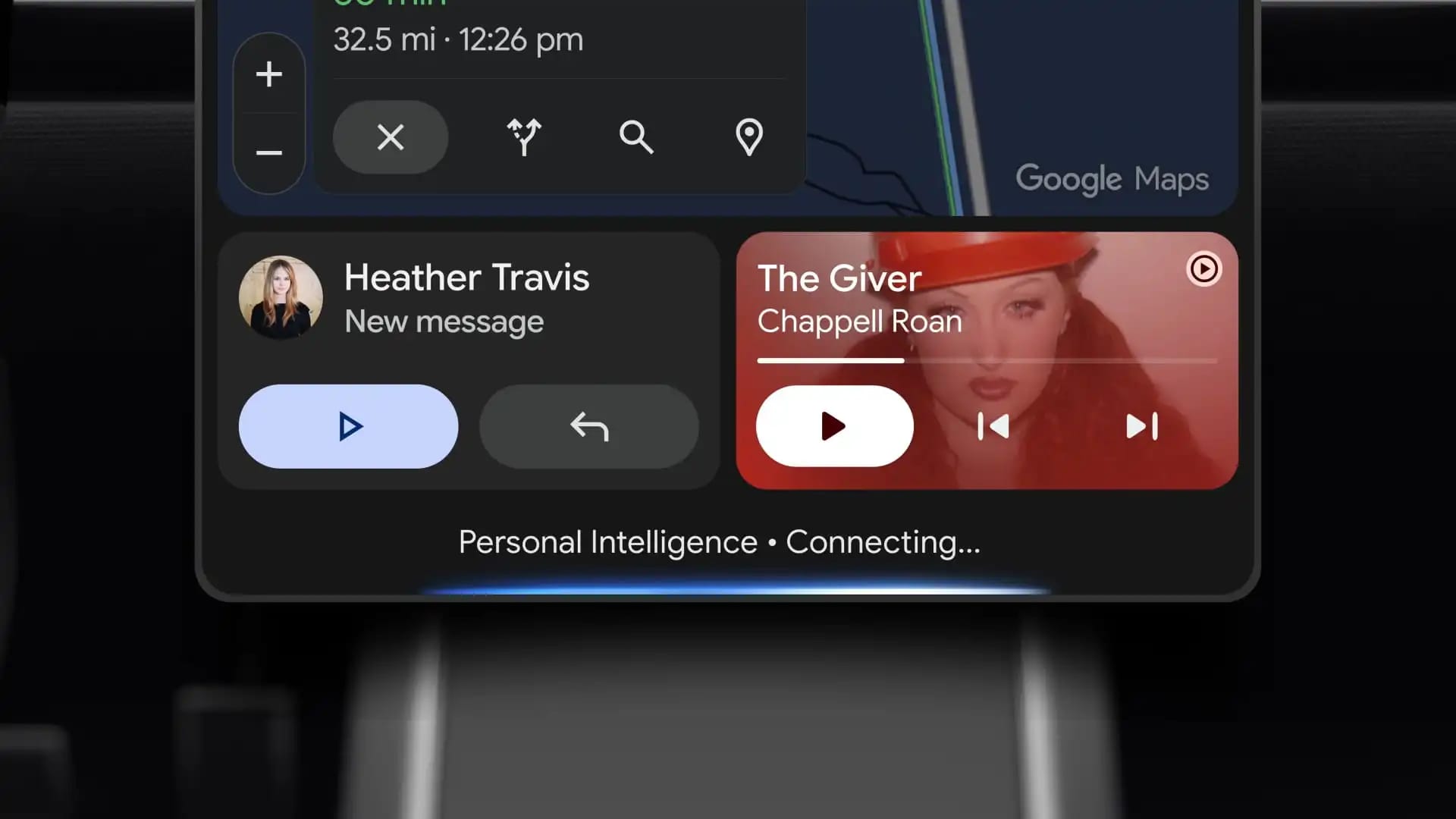
Regarding security, the use of Personal Intelligence is voluntary. If you have already activated this feature in the Gemini app on your smartphone, it will automatically carry over to Android Auto. Users who do not wish to use their personal data can continue to use the standard features of the assistant, such as navigation, music control, and calls, as usual.
Availability
Google has already begun rolling out the feature for Android Auto, while owners of Android Automotive—the system built directly into vehicles—will receive the update in the coming months. In the case of Android Automotive, the system will provide personalized responses only when your smartphone is connected to the vehicle.
This development is particularly significant for drivers who actively use Google services in their daily routines. Dynamic data processing while driving not only increases comfort but also sets a new standard for safety, as it further reduces the need for drivers to look at their smartphone screens.