Google DeepMind Staff Seek Government Help to Unionise
Staff members are calling for collective bargaining to address concerns over AI ethics and military contracts.
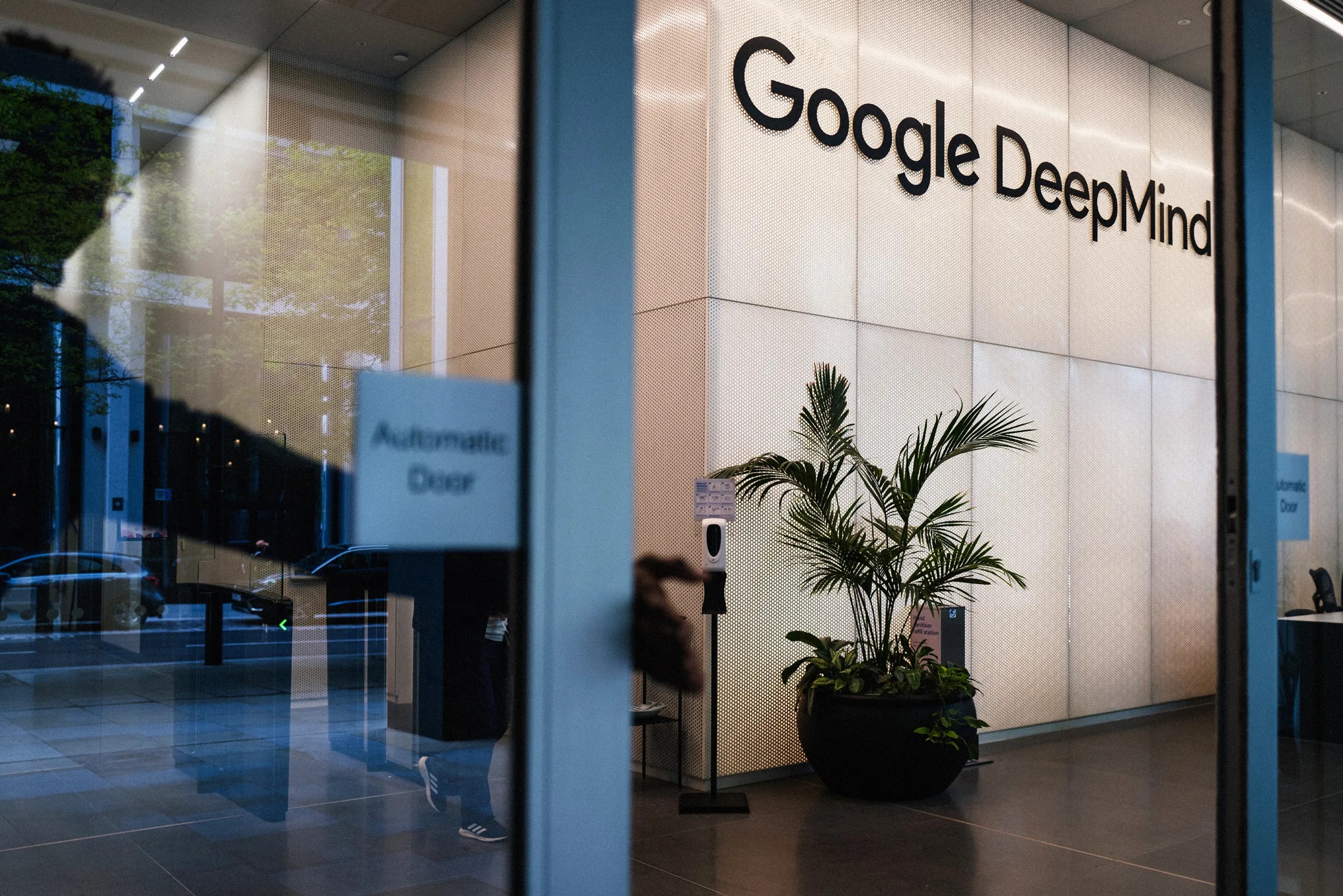
Staff at the British branch of Google DeepMind have turned to state authorities to protect their rights and formalise their organisation. The group of employees has filed an official application with the Central Arbitration Committee (CAC), the body responsible for regulating labour disputes between employers and employees in the UK, with support from the Communication Workers Union (CWU) and Unite the Union.
Why are employees demanding a union?
The initiative aims to secure official union recognition, which would allow staff to influence company decisions through collective bargaining. The situation escalated after meetings with company leadership proved fruitless. Employees claim that management is not taking their concerns seriously, treating the matter as a mere formal administrative procedure.
The idea of forming a union emerged in February 2025, when Alphabet, Google's parent company, removed a clause from its ethical guidelines that prohibited the use of AI for weapons development. Some employees believe this change contradicts the laboratory's original mission to use technology for the benefit of humanity. Their primary concerns involve contracts signed with military agencies, specifically within the US and Israeli defence sectors.
What happens next?
If the CAC approves the employees' request, a ballot will be held, the results of which would be legally binding for Google. If successful, approximately 1,000 product-focused specialists could unionise. Staff hope this precedent will serve as an example for employees at other tech giants, including OpenAI and Anthropic.
In response, Google representatives have previously stated that they are proud to support national security through their AI services. The company emphasises that it adheres to a consensus that technology should not be used for mass surveillance or autonomous weaponry without appropriate human oversight.
What does this mean for the tech sector?
This dispute highlights growing tension within the AI industry, where employees are demanding greater transparency and participation in the governance of technologies that have significant global impact. Staff state that they want to create mechanisms that ensure a responsible approach to AI development.
The voting process is expected to begin in the coming months, which will ultimately decide whether Google DeepMind employees can strengthen their collective voice. For those working in the tech sector in Georgia, this development is significant as it reflects shifting corporate culture and evolving standards for employee rights within the world's leading technology laboratories.