Google Data Centre Construction Sparks Ecological Crisis in Finland

Deforestation for AI Ambitions
Google is facing intense criticism in Finland. During the construction of artificial intelligence data centres near Muhos and Otanmäki, approximately 1,300 acres (over 526 hectares) of forest were illegally cleared. Finnish environmental authorities have ordered the company to halt all work immediately, citing the severe disruption of the region's ecological balance.
Local residents are concerned not only by the destruction of the forest but also by the safety risks resulting from the altered environment. Residents of Otanmäki report that the loss of woodland has driven predators, specifically wolves, into close proximity with residential homes. Local resident Anni Ranta stated publicly that displaced wildlife has been forced to seek refuge near villages, posing a serious threat to local families.
A Strict Regulatory Stance
The Regional State Administrative Agency for Finland (AVI) has officially prohibited Google from continuing construction. Environmentalists argue that the company’s disregard for environmental standards is unprecedented. The clearing of the forest has led to the pollution of water bodies, the migration of rare bird species, and persistent noise, all of which have negatively impacted the daily lives of local residents.
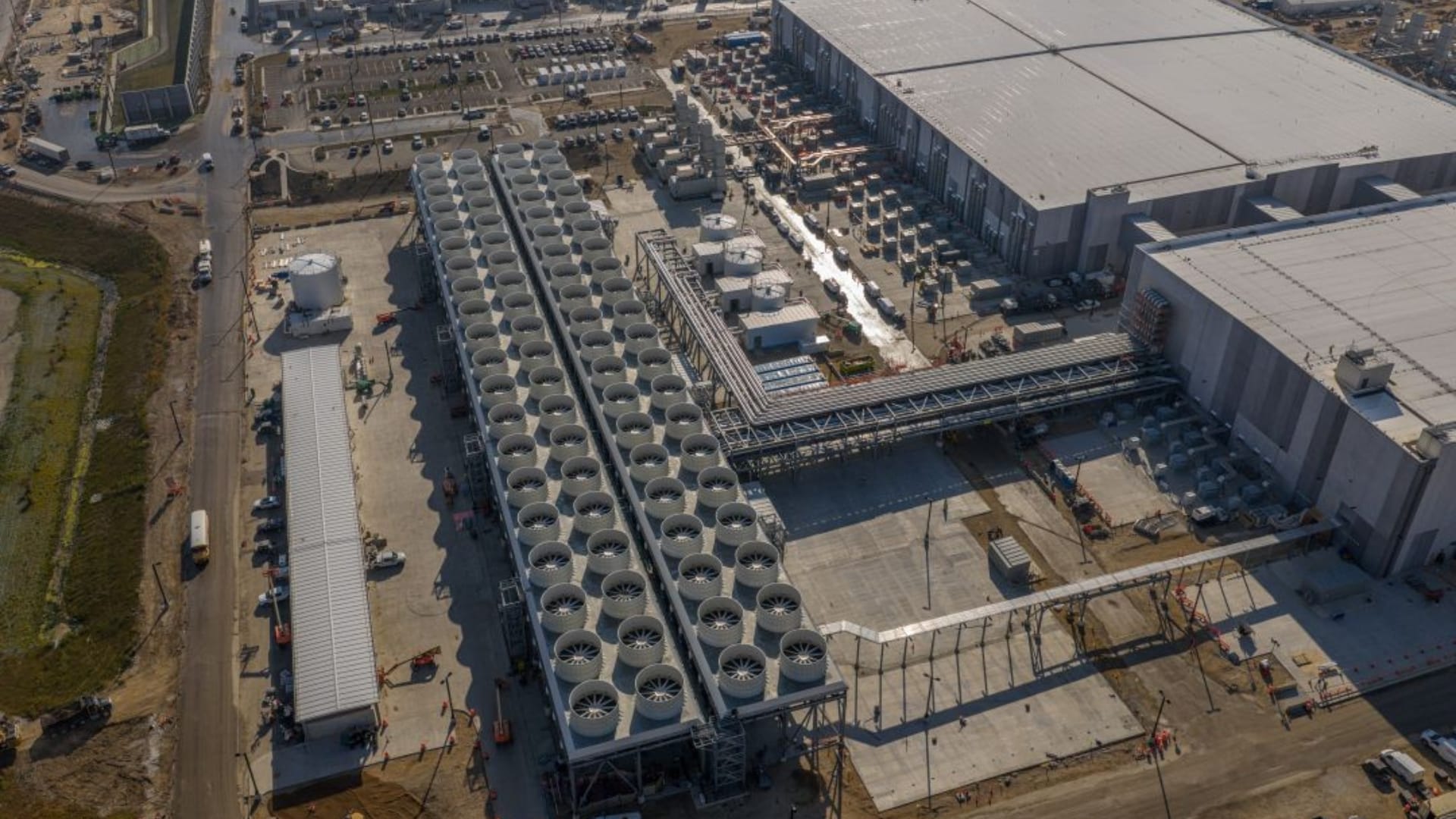
Google representatives have officially apologised for the incident and stated that they will fully cooperate with Finnish authorities. The company hopes to resolve the situation through dialogue and ease the tensions surrounding the data centre project. However, questions persist within Finnish society regarding the true cost of investments by technology giants.
A Global Trend or a Local Problem?
Similar issues, where the construction of data centres raises environmental concerns, have been documented in various countries worldwide. The development of artificial intelligence requires vast computing power and energy, often pressuring tech companies to build infrastructure rapidly, sometimes bypassing local regulations. The Finnish example clearly demonstrates that technological progress and environmental protection often come into conflict.
For countries like Georgia, which is also striving to develop as a digital hub and improve its data centre infrastructure, this case serves as an important lesson. It highlights the necessity of assessing environmental impact and considering the interests of local communities when implementing large-scale projects. In the future, when attracting such investments, adhering to environmental standards must remain a priority to ensure that technological development does not threaten the natural environment.