Global Tablet Market Sees Sharp Decline as Apple Share Slips
Market stagnation hits major players as innovation stalls
The Tablet Market Crisis and Apple's Position
The third quarter of 2026 proved challenging for the global tablet industry. According to data from market research firm Omdia, total shipments fell by 23% year-on-year, dropping from 41.8 million units to 32.2 million. This figure represents a three-year low, signaling a weakening consumer interest in this category of devices.
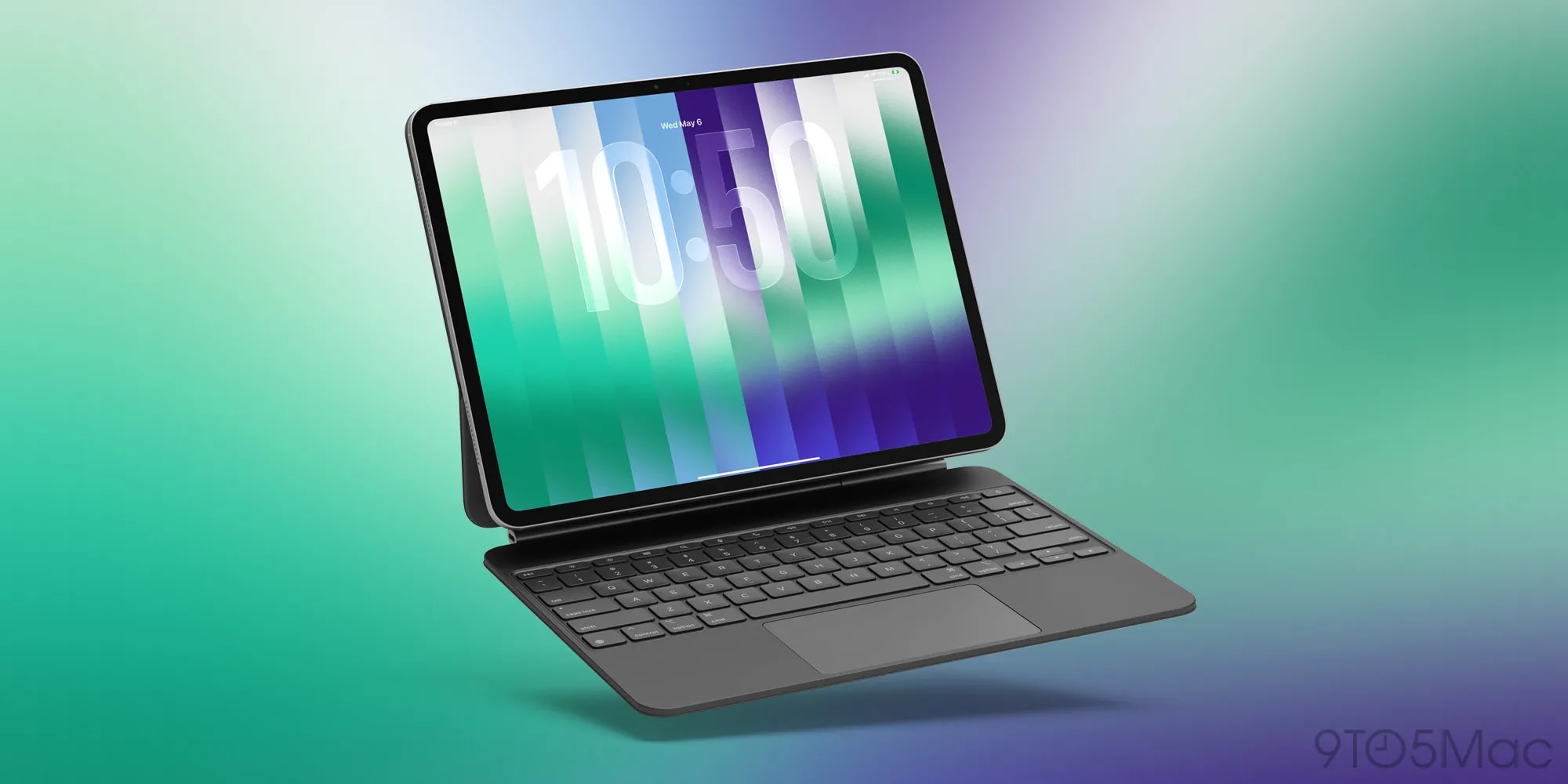
Although Apple sold 11.5 million iPads, accounting for 36% of the market, the company recorded a 27.5% decline in shipments. Compared to the previous year, Apple's global market share decreased by 2.2 percentage points. Despite this decline, Apple remains the industry leader, significantly ahead of its competitors.
What Is Happening With Competitors?
The situation for other technology giants is equally unfavorable. Samsung maintains second place with a 16.9% market share, though its shipments fell by 21.7%. Lenovo rounds out the top three with 12.7%, emerging as the only company in the top five to show growth, up by 11.9%.
The results for other players are as follows: Xiaomi holds a 7.3% share, while Huawei stands at 5.7%. Notably, Huawei experienced the largest decline, delivering 43% fewer tablets to the market year-on-year.
Why Consumers Are Skipping Upgrades
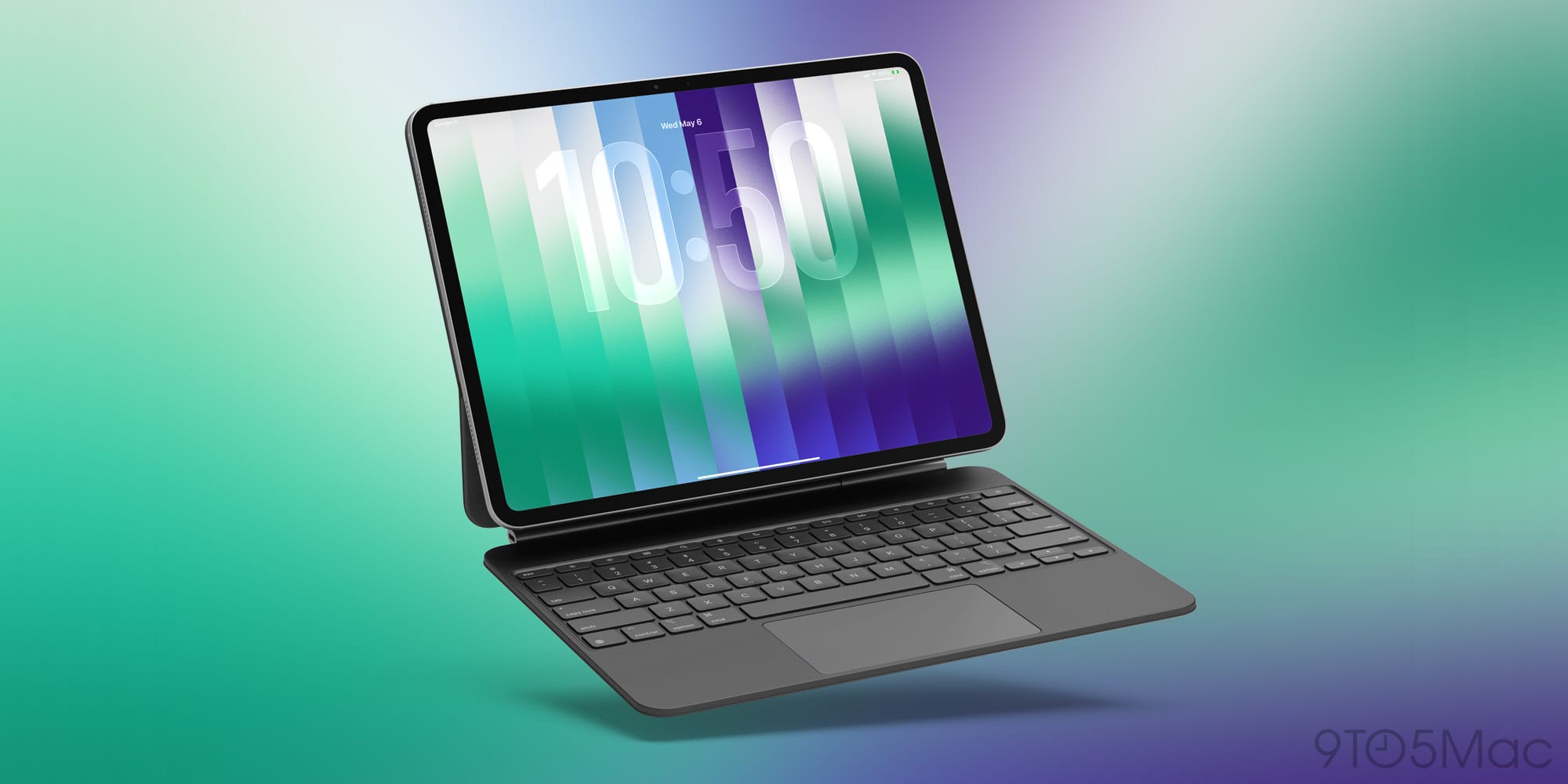
Experts believe the primary cause of market stagnation is disruption in supply chains. This has prevented manufacturers from introducing significant technical improvements in new models. Consequently, new devices are nearly indistinguishable from previous generations, which removes the incentive for consumers to purchase them.
"Consumers are increasingly choosing to delay tablet purchases until a more significant technological leap appears on the market," analysts state. This trend is particularly evident in the premium segment, where buyers expect innovative changes every year.
For readers in Georgia, these figures are significant as the tablet market appears to be undergoing a global "freeze." Unless manufacturers introduce radically new features in the near future—whether through enhanced artificial intelligence support or revolutionary display technologies—the decline in sales may continue into the coming quarters.