Global PC Market Declines by Over 20 Percent
Rising component costs and market instability continue to suppress demand for new hardware.
A Crisis in the Tech Sector
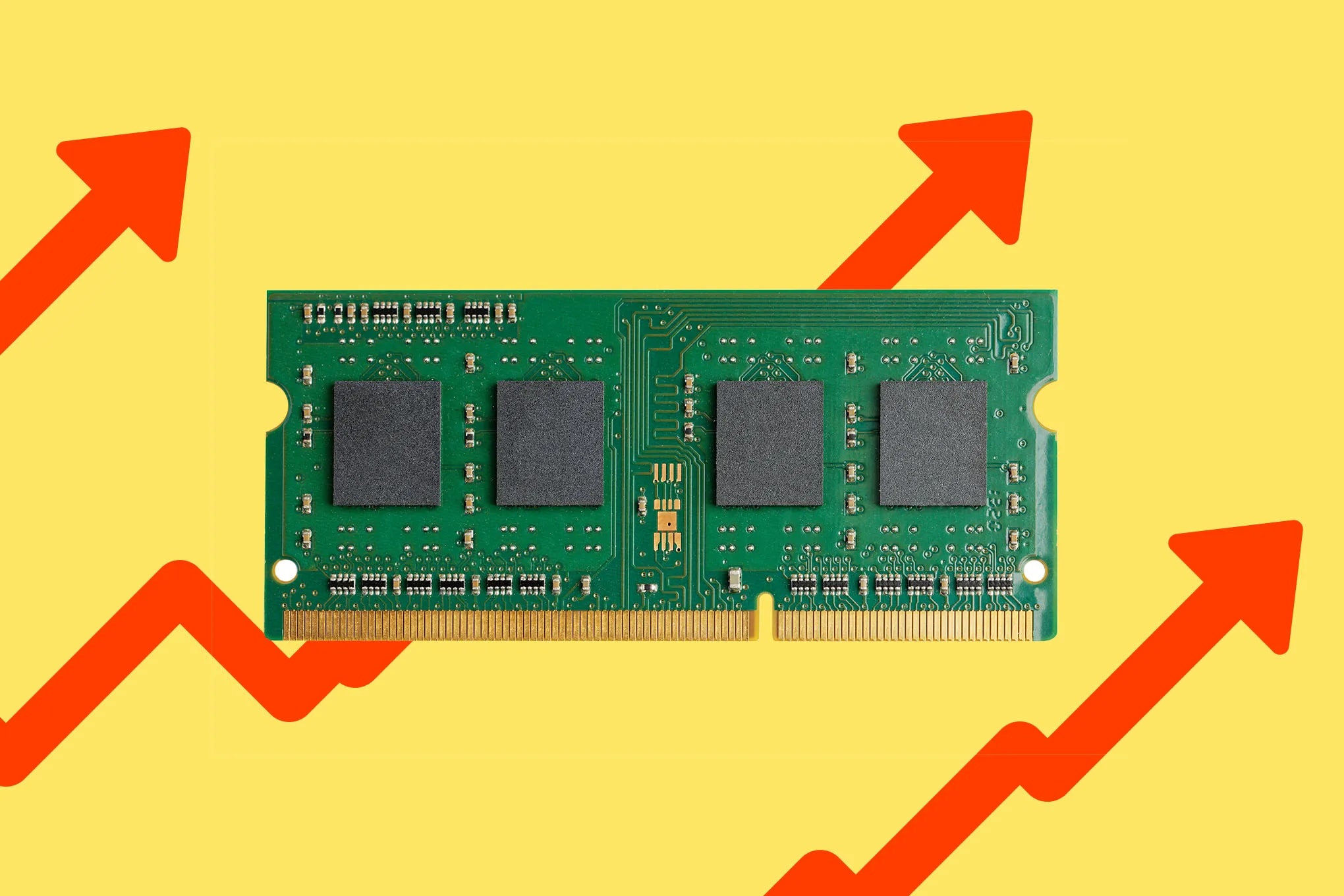
The global personal computer market is facing significant challenges. Latest data indicates that PC shipments in the third quarter of 2026 fell by 21% compared to the same period last year. This decline is directly linked to rising costs for technical components, which have substantially dampened consumer demand.
While the PC market demonstrated stable growth for over two years, the situation shifted radically after the second quarter of 2026. Price hikes have affected essential components, including RAM, SSDs, and central processors manufactured by Intel, AMD, and Qualcomm. These changes have impacted both premium devices, such as MacBooks, and budget-friendly hardware.
Strategic Shifts by Manufacturers
To cope with rising costs, manufacturers are adopting new strategies. Analysts note that tech giants are prioritizing configurations that better withstand component inflation. Consequently, the availability of affordable, budget-tier models has decreased sharply.
Some manufacturers have reverted to older technologies to maintain competitive final pricing. For instance, new devices are increasingly utilizing DDR4 RAM and 4GB graphics cards, which are considered outdated by modern standards. While this approach aims to retain price-sensitive customers, the results have so far proven insufficient.
Future Market Forecast
The situation is further complicated by last year's market performance. In the third quarter of 2025, PC sales were artificially inflated due to the approaching end of Windows 10 support and inventory adjustments caused by trade tariffs. Against this backdrop, this year's decline appears even more pronounced.
Experts do not expect a recovery in the PC market in the near future. Forecasts indicate that shipments could drop by a further 27% in the fourth quarter of 2026. While the market is expected to remain stable in 2027, this should not be confused with a genuine recovery. For consumers, this means that a decrease in hardware prices is unlikely in the near term, and choices within the budget segment may remain limited.