Global Memory Chip Shortage Set to Intensify
Team Group’s CEO warns that the market faces a prolonged crisis with no price relief expected.
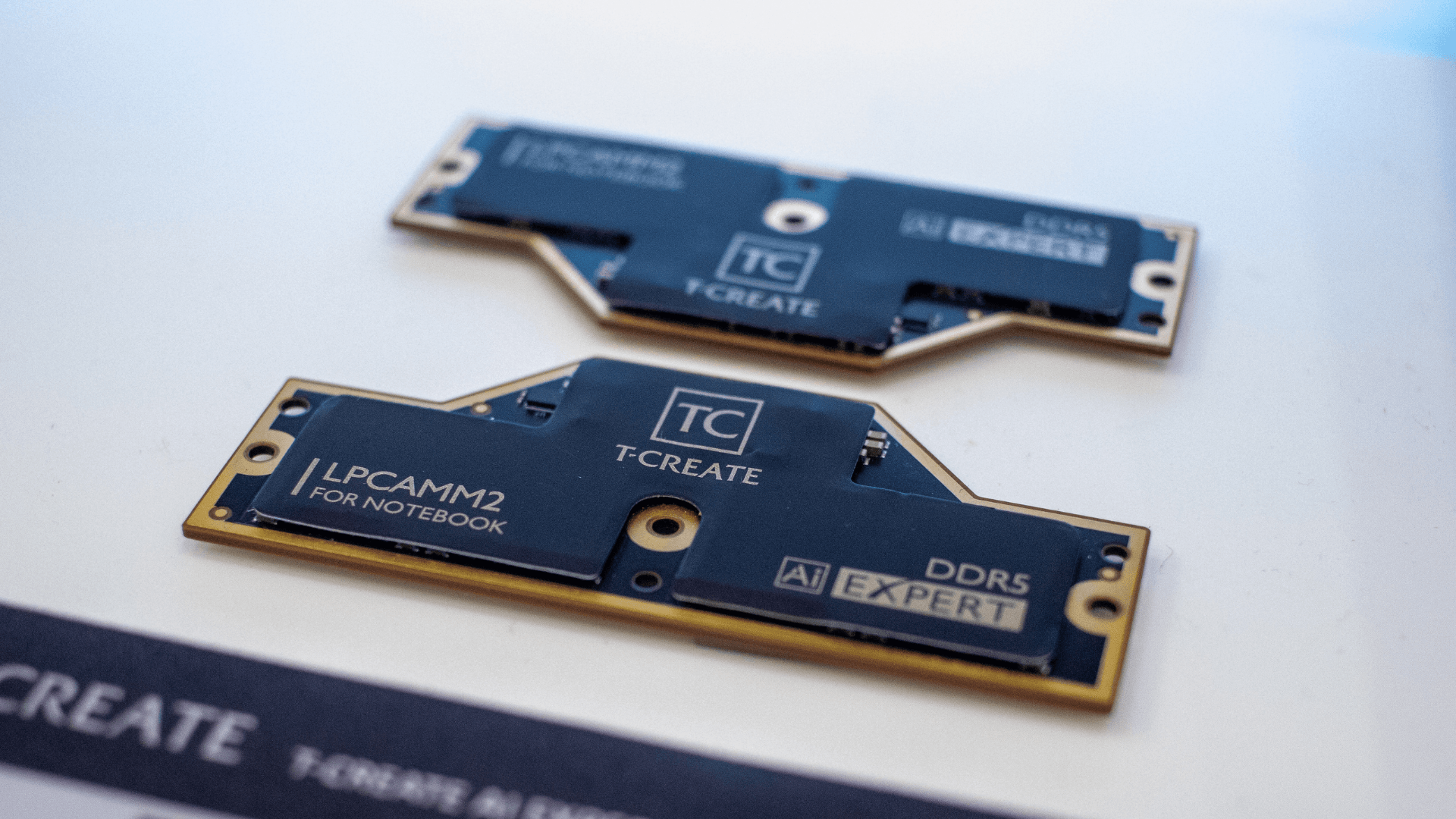
The global technology market is entering a critical phase regarding memory chip shortages. In a recent financial report, Team Group CEO Chen Ching-wen warned that supply chain disruptions are expected to worsen between late 2026 and the end of 2027. He stated that there are no indicators of a price decline, suggesting a potential scenario where manufacturers may be unable to procure necessary components regardless of the price offered.
Why are prices rising so rapidly?
The situation in the memory chip market is alarming. The contract price for 16GB DDR5 chips has surged from $8.70 in October of last year to $48 this September—an increase of more than 550%. Current supply constraints have forced many companies to turn to the spot market, where prices are 30% to 50% higher than those found in long-term contracts.
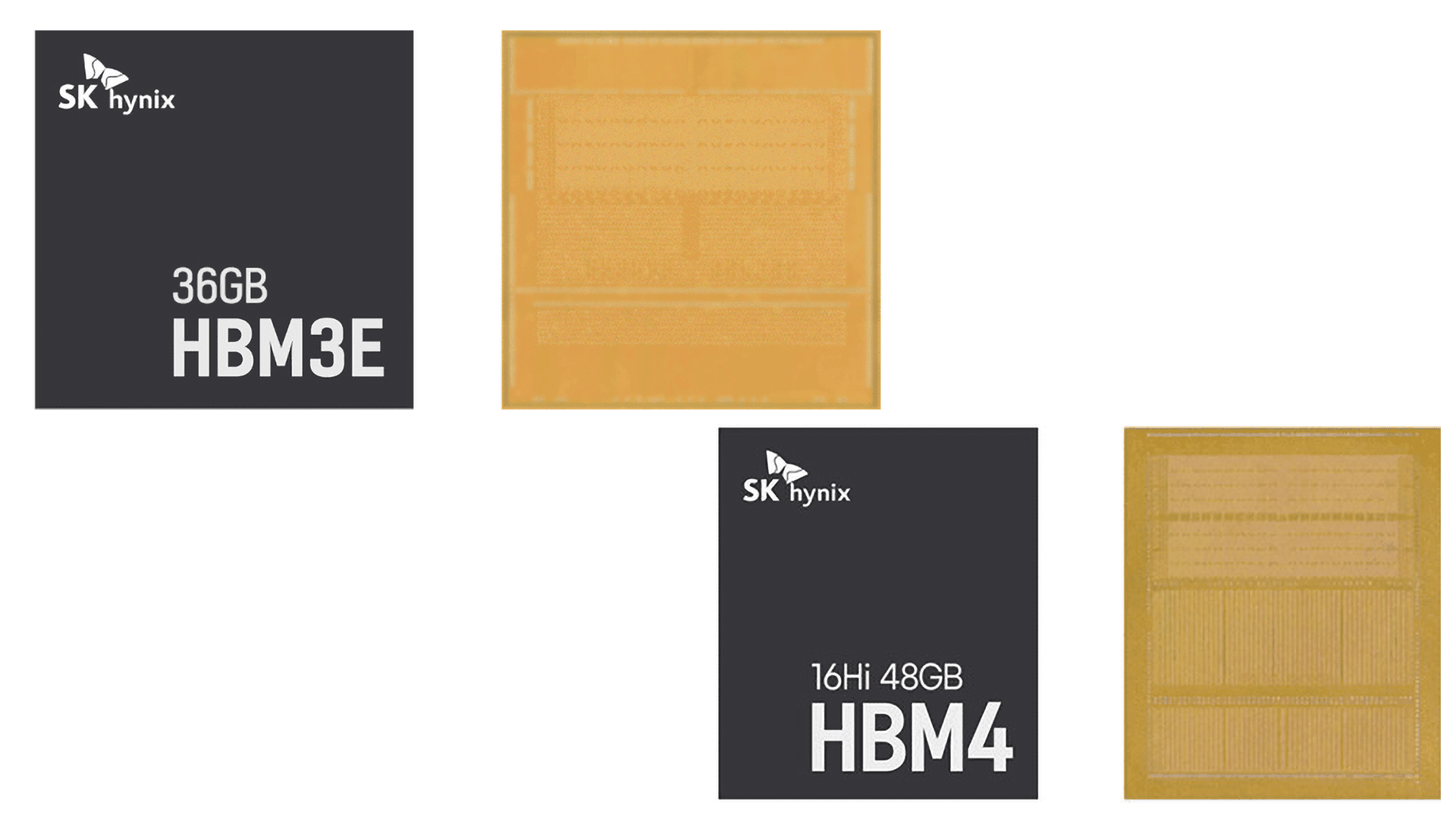
The rapid expansion of AI data centres has consumed the lion's share of global memory and storage resources. Chen Ching-wen predicts that the balance between supply and demand will not be restored until the second half of 2028. While Chinese manufacturers such as CXMT and YMTC have increased their market share to 10%, the market for high-end DRAM and NAND flash memory remains dependent on giants like Samsung, SK hynix, Micron, and Kioxia.
Differing perspectives in the industry
Not all experts share this pessimistic outlook. Acer CEO Jason Chen suggests that component prices will stabilise starting in the second half of 2027. He believes the shortage will primarily affect high-end, specialised chips, while prices for mass-market components will begin to fall. However, Chen also notes that major suppliers often artificially maintain high prices to protect their profit margins.
For consumers, this means that a drop in the price of computer hardware is unlikely in the near future. While there are varying forecasts, the trend is clear: the growing demand for AI technology directly impacts the cost of all electronic devices. Throughout the coming year, users should expect to contend with high prices, particularly those who rely on high-performance computer systems for work or hobbies.