Gigabyte Announces Powerful AI TOP AERO Computer
Technical Specifications and Capabilities
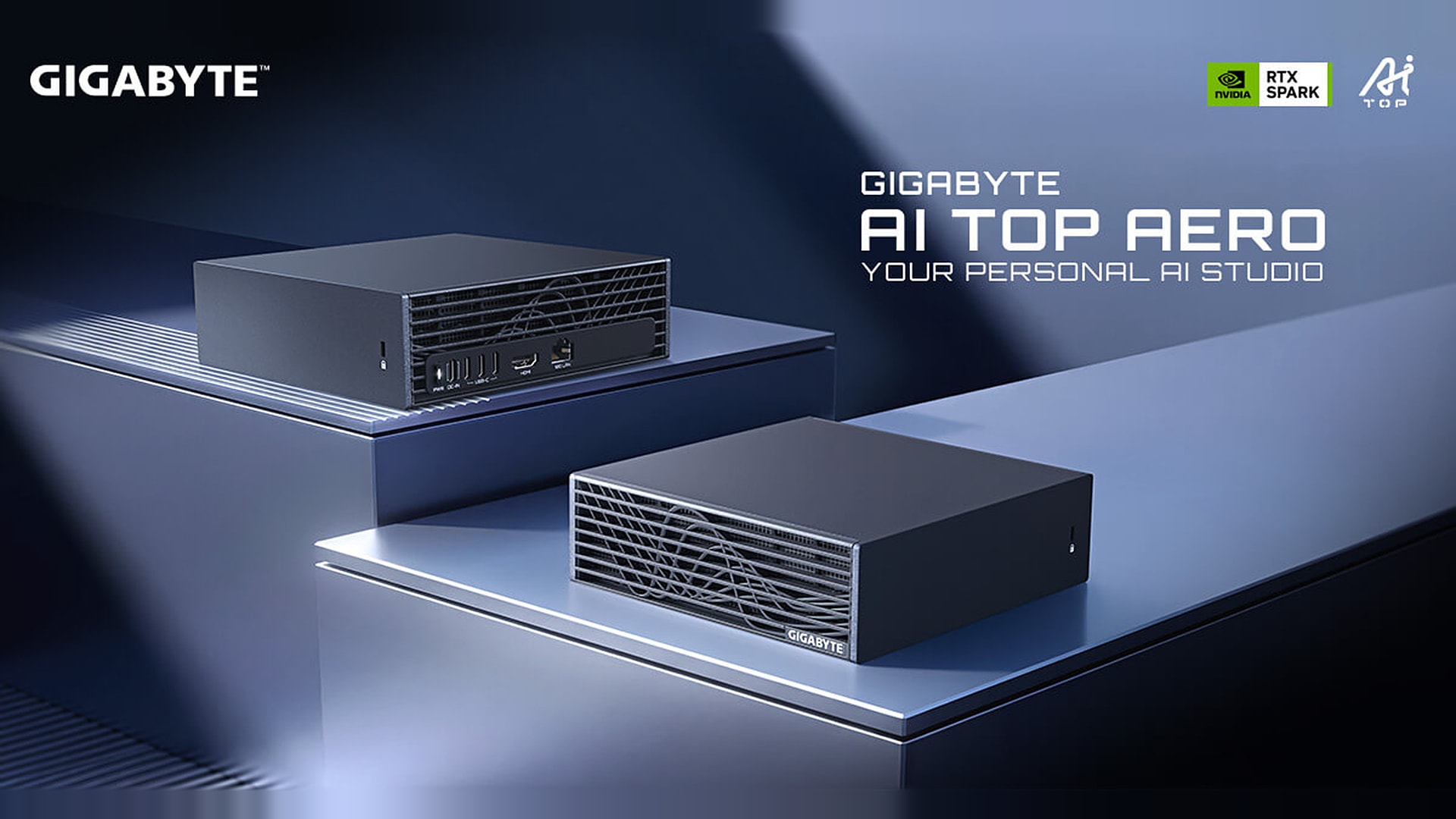
Gigabyte has officially announced a new workstation dubbed the AI TOP AERO. The device, which occupies roughly one litre of space, is specifically designed for local artificial intelligence development, content creation, and gaming on the Windows 11 operating system.
The AI TOP AERO is built upon Nvidia’s RTX Spark platform. The system integrates a 20-core Arm-based Grace processor with an RTX graphics chip featuring Blackwell architecture. Users will be able to select configurations with up to 128GB of LPDDR5X RAM and up to 4TB of PCIe Gen5 SSD storage. The company describes the system as a "personal AI studio."
Despite the debut, Gigabyte has yet to announce the exact price or availability date for the device. Currently, a full list of configurations is not available on the company's website, leaving potential buyers waiting. Notably, Gigabyte already offers the AI TOP ATOM system, which runs on the Linux-based DGX OS, whereas the new AERO model is focused on the Windows 11 environment, making it accessible to a broader audience.
Market Challenges and Pricing
Devices based on the RTX Spark platform are known for their high price points. Similar systems from competing manufacturers, such as the MSI EdgeMesa N AI+, range from $4,700 to $8,000, largely due to the scarcity and high cost of memory modules. Analysts predict that the current crisis in the memory market will likely persist for another three years, keeping prices for such high-performance computers consistently high.
The success of the AI TOP AERO will depend on several factors. One key question is how the compact, one-litre chassis will manage a 140-watt power draw and how effectively the Windows 11 environment will utilize 128GB of memory for AI tasks. The company advises users to wait for local announcements regarding pricing and regional availability.
For those interested in local AI infrastructure, this news indicates that the personal AI computer segment is actively developing. However, due to high prices and component shortages, acquiring such hardware in Georgia will likely remain a difficult and expensive undertaking in the near future.