General Motors Invests in Metal-Free Battery Technology
The partnership focuses on grid-scale energy storage rather than electric vehicles.
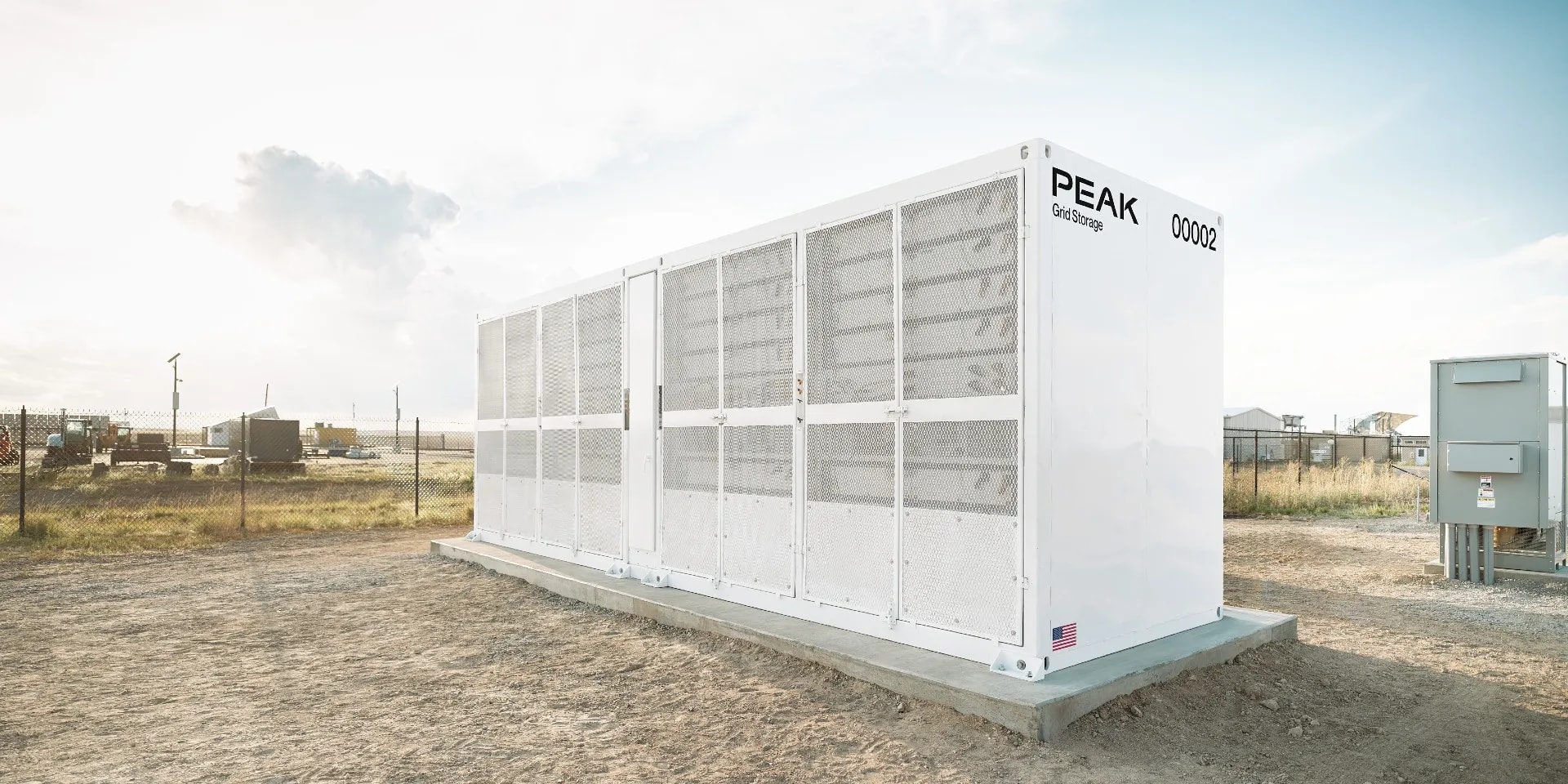
General Motors (GM) is planning to develop a new type of battery for the energy sector. In collaboration with the startup Peak Energy, the company is advancing sodium-ion battery technology, which uses cheaper and more accessible materials compared to traditional lithium batteries. It is important to note that this technology is not intended for electric vehicles, but is instead focused on large-scale energy storage systems.## The Advantage of Sodium-Ion BatteriesCurrently, lithium iron phosphate (LFP) batteries dominate the energy storage market. However, Peak Energy estimates that sodium-ion technology is much more efficient for grid-scale facilities, where factors such as cost, reliability, and safety are more important than energy density. According to the company, their new platform reduces energy storage costs by 20% and ensures system uptime exceeding 99%.One of the key innovations of this technology is its passive cooling system. Traditional LFP batteries require complex and expensive active cooling units to maintain safety standards. Peak Energy's design operates without these systems, which not only lowers costs but also reduces energy loss, equivalent to approximately 2 terawatt-hours of savings annually.## Strategic Investment and Future PlansGM and Peak Energy recently closed an investment round in which the startup raised $108 million. Led by GM Ventures, the round also included participation from LG Technology Ventures and other investors. The capital raised will be used to increase manufacturing capacity in the US and fulfill existing orders worth more than $1 billion.Kurt Kelty, GM's vice president of batteries and sustainability, stated that sodium-ion batteries are an ideal solution for stationary energy storage. While GM will continue to develop sodium-ion cells in its Michigan laboratories and retain exclusive manufacturing rights, the company does not plan to use this technology in electric vehicles. The reason for this is the low energy density of sodium-ion batteries, which is insufficient for modern automobiles.## Why This MattersThe rapid growth of AI infrastructure and data centres is sharply increasing the demand for electricity. This technology aims to meet that demand and integrate renewable energy sources into national grids more effectively. While the share of sodium-ion batteries in the global market remains small, their ease of production and the abundance of raw materials suggest that such solutions will play an increasingly significant role in the energy sector in the coming years.