Gemini 12: The Mission That Paved the Way to the Moon
How the final Gemini mission turned space exploration from a struggle into a manageable task.
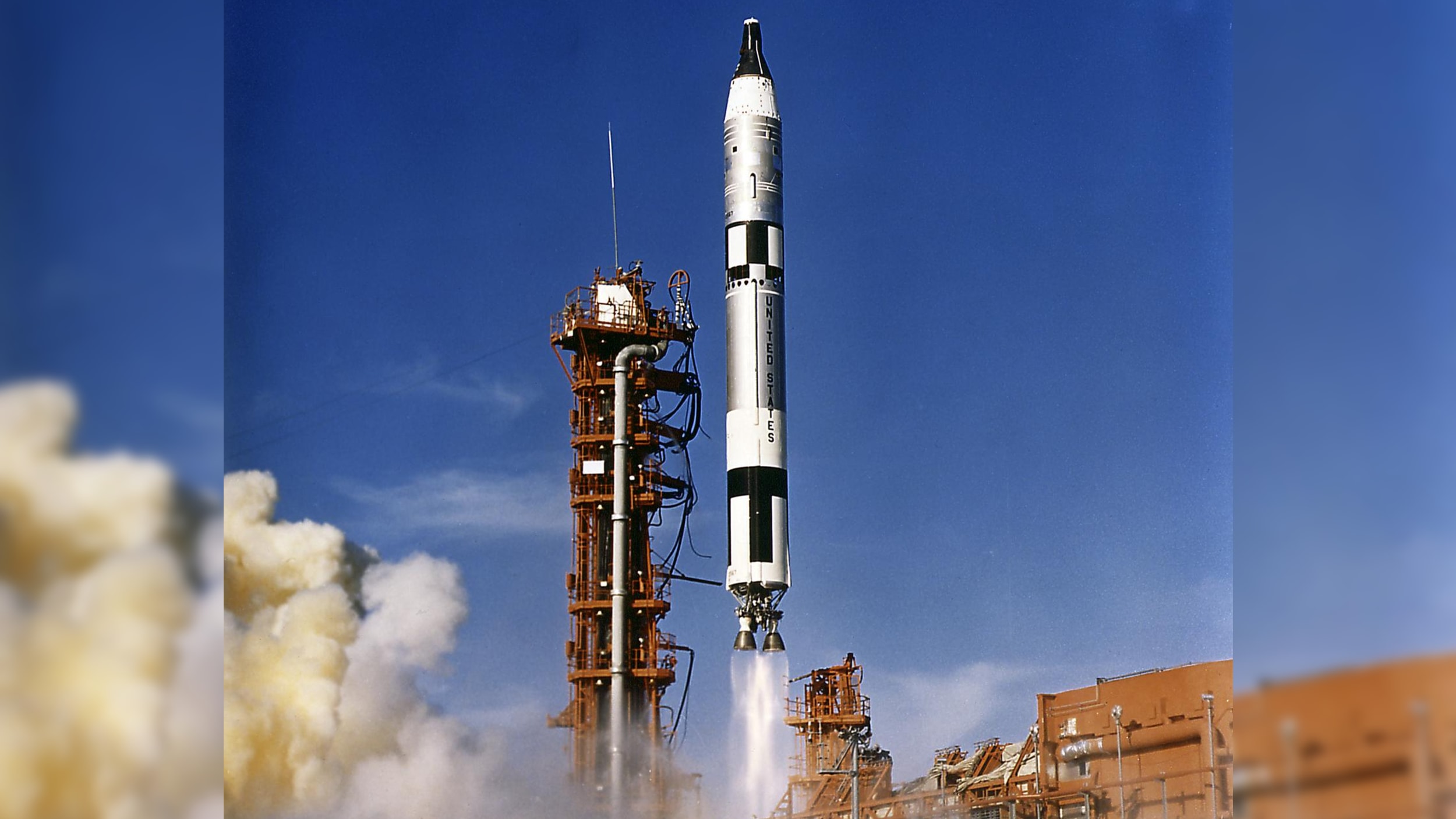
The Historic Flight of Gemini 12
On 11 November 1966, a significant chapter was written in the history of space exploration. NASA launched the 12th and final mission of the Gemini programme, carrying legendary astronauts Jim Lovell and Buzz Aldrin. This mission was more than just another orbital flight; it served as an essential preparatory stage for the upcoming Apollo programme, which aimed to land humans on the Moon.
At the time, it was critical for NASA to refine space manoeuvres, specifically docking procedures and extravehicular activity (EVA), or spacewalks. Experience from previous missions had shown that astronauts struggled to move in space because spacecraft lacked adequate handholds. Gemini 12 successfully addressed these shortcomings.
The Impact of Underwater Training
Buzz Aldrin, a rookie astronaut at the time, conducted three spacewalks, logging more than five hours of work outside the craft. He successfully installed handrails and utilised foot restraints, techniques that would eventually become industry standards. Notably, Aldrin was the first astronaut to use underwater training to prepare for a spacewalk.
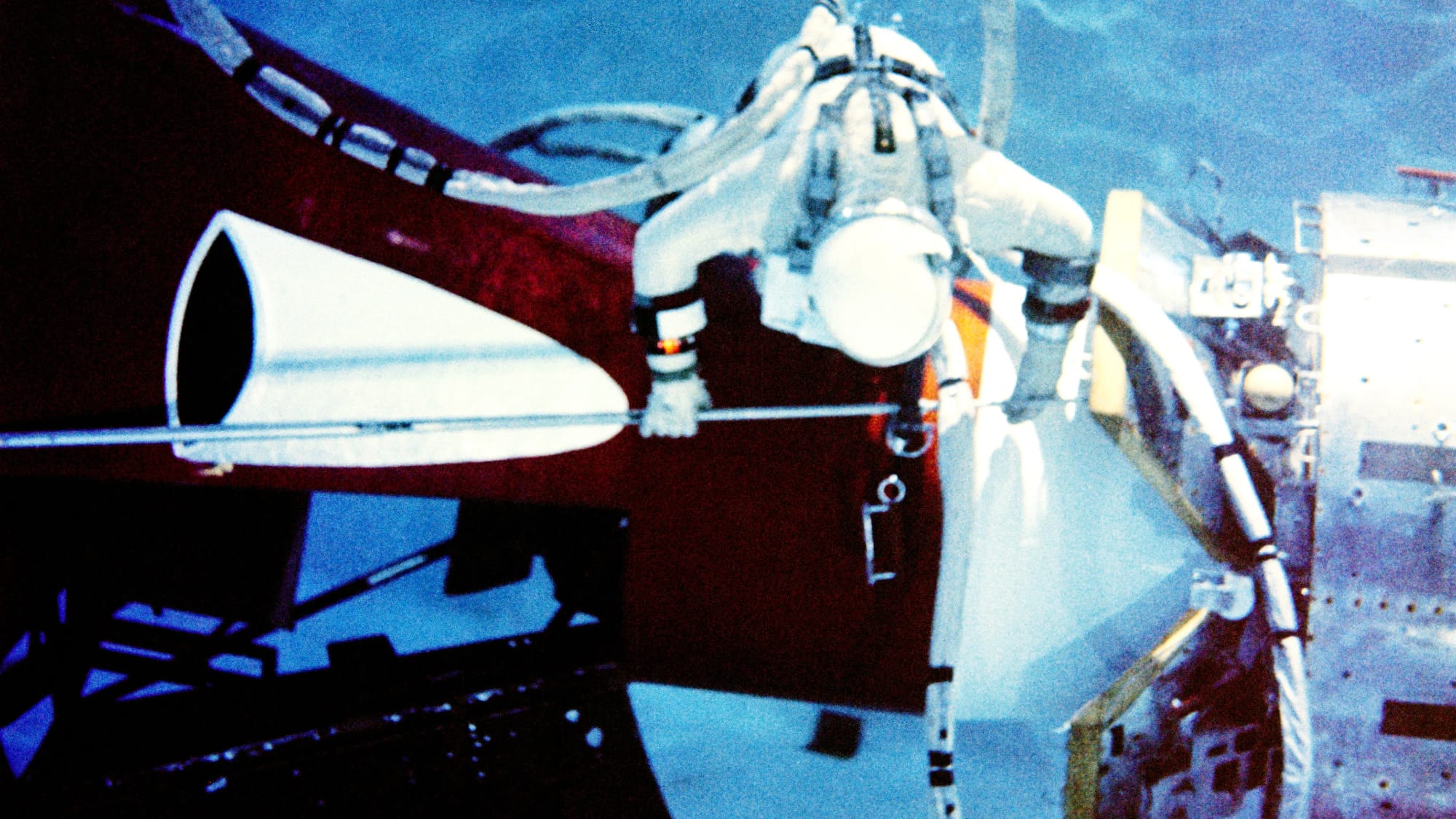
He tested this technique in a neutral buoyancy pool in Maryland to better simulate the conditions of weightlessness. The method proved so effective that it is now used by space agencies worldwide, including NASA, as well as in Russia and China. Today, NASA's Neutral Buoyancy Laboratory in Houston is the world's largest indoor pool, holding 23.5 million litres of water.
Legacy and the Future
The success of Gemini 12 extended beyond technical achievements. Lovell and Aldrin successfully docked with an unmanned Agena target vehicle, a complex engineering task for that era. Following the mission's conclusion on 15 November, the spacecraft returned to Earth using computer-guided controls, splashing down in the Atlantic Ocean just five kilometres from the target site.
Both astronauts made significant contributions to the Apollo programme: Buzz Aldrin became the second person to walk on the Moon, while Jim Lovell served as the commander of Apollo 13. Gemini 12 proved that humans could perform complex tasks in space, a prerequisite for humanity's journey to the Moon. As space technologies continue to evolve rapidly, this historic mission serves as a reminder of how the foundations of modern astronautics were built.