Game Studios Cancel Public Testing Over Fears of AI Cloning
Developers fear that public demos are now an easy target for AI-driven reverse engineering and theft.
Public Testing Under Threat
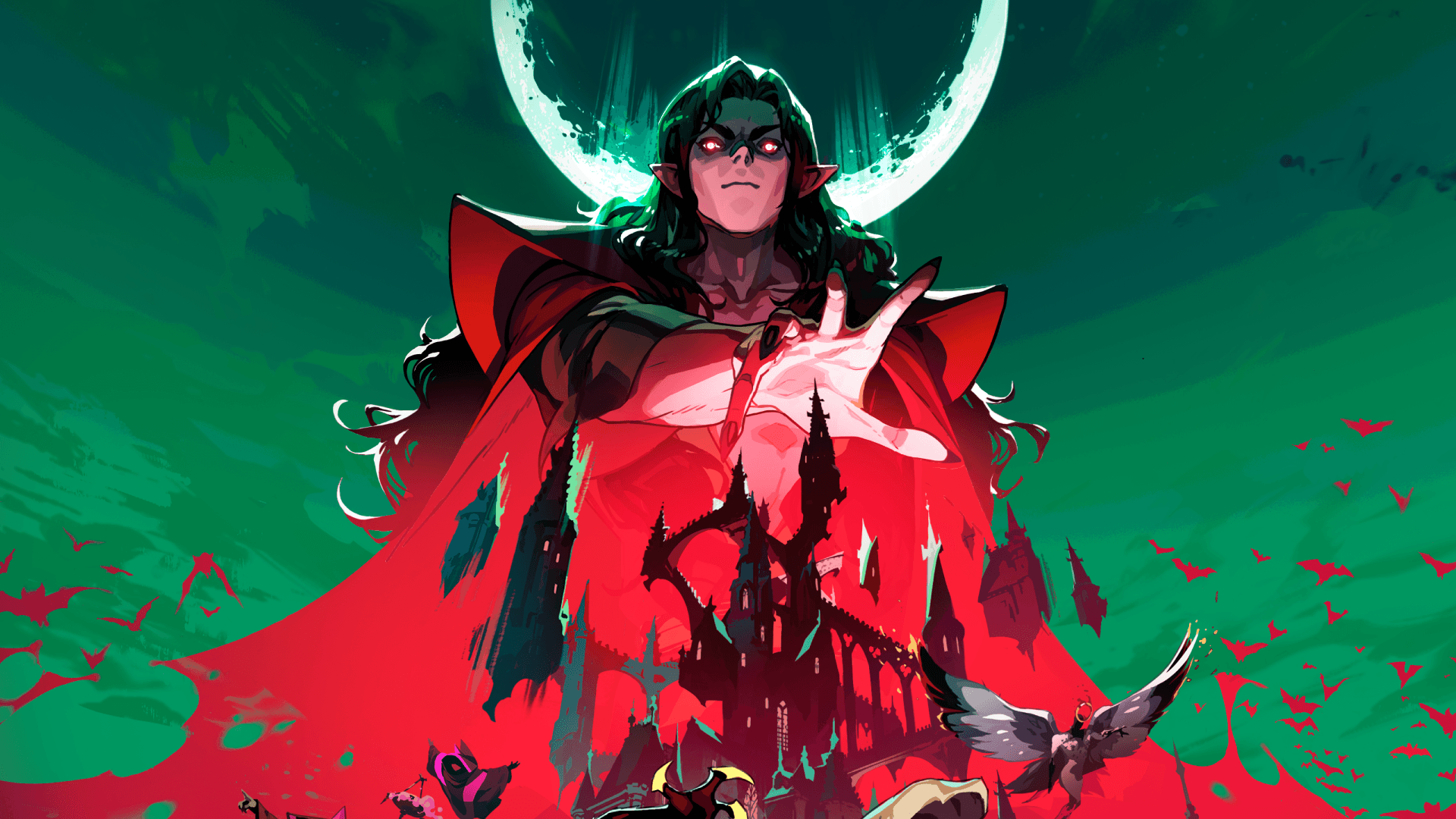
Digital Sun Games, the studio behind Moonlighter, has cancelled public testing for its upcoming title, ReVamp. The decision stems from fears that making the game public could lead to it being deconstructed, copied, and released before the original. ReVamp, a "tower defensevania" title, is scheduled for release in March 2027, but developers believe sharing it with tens of thousands of players at this stage is too risky.
Israel Mallen, marketing manager at Digital Sun Games, noted that this is a widespread industry issue. The studio expressed concern over the growing trend of games being cloned and published before their official launch. This is not an isolated incident; for similar reasons, the creators of Drunken Goddess Reflux cancelled their public demo for Steam Next Fest last week, fearing that content could be rapidly replicated using AI tools.
The Impact of AI on the Industry
The situation has intensified since models like Claude Opus 5.5 made game cloning and reverse engineering significantly easier. These technologies operate so quickly that developers struggle to respond in time. In one notable instance, seven clones of the game Escape the Walls appeared on Roblox and Steam just ten days after footage of the original was shared on social media.
Opus 5.5 has dealt a major blow to the industry, not only through cloning but also by facilitating code decompilation and compromising system security. This technological breakthrough has made it increasingly difficult for developers to plan marketing campaigns and attract potential players without relying on public testing.
What This Means for the Future
Although the number of demos presented at Steam Next Fest has reached a record high of nearly 8,000, the concerns raised by studios serve as a serious warning to platform owners. Developers hope that increased discourse surrounding this issue will prompt digital storefronts, such as Valve’s Steam, to take faster action to protect the intellectual property of independent creators.
For gamers and developers, these events confirm that protecting digital content has become a new challenge in the AI era. Until platforms implement adequate protection mechanisms, developers are expected to become more reclusive, which will ultimately limit opportunities for users to discover new projects.