Fujifilm to Quintuple Magnetic Tape Production Amid AI Data Boom
The resurgence of legacy storage in the age of artificial intelligence
A New Lease of Life for Traditional Technology
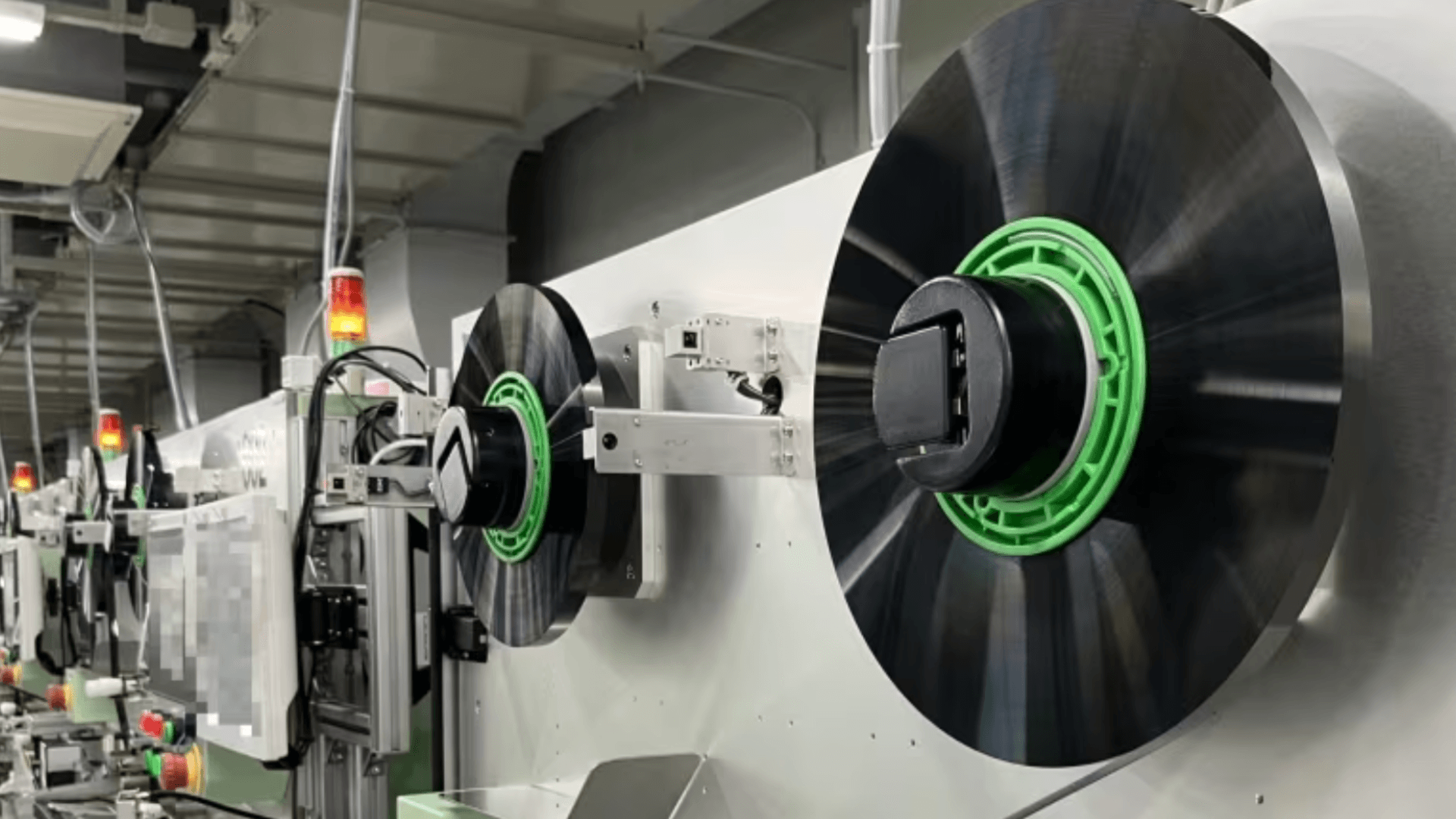
In the era of artificial intelligence, where data volumes are expanding at breakneck speed, an unexpected technological renaissance is underway. Japanese corporation Fujifilm has announced it will increase its magnetic tape production capacity fivefold by the 2028 fiscal year. This move represents the company's largest investment in the sector over the last two decades, with approximately $63.3 million (10 billion yen) being poured into its Odawara factory near Tokyo.
Although many perceive magnetic tape as an obsolete technology, it remains indispensable for data centres and large organisations. Fujifilm's new project will focus on the production of modern cartridges capable of storing up to 100 terabytes. The technology dates back to 1954, when the company developed its first tapes for television equipment.
Why Magnetic Tape is Relevant Again
The primary driver is the massive scale of data generated by artificial intelligence. Research indicates that up to 95% of organisations report a sharp increase in stored information following the adoption of AI. Forecasts suggest that global data volumes could reach 718 zettabytes by 2030, four times the 2024 figure.
The main advantages of magnetic tape are its cost-effectiveness and security. Storing data on tape costs approximately 1 cent per gigabyte, compared to 3–3.5 cents for hard disk drives (HDD). Storing 100 terabytes on tape is roughly 67–71% cheaper. Furthermore, tapes do not require a constant network connection, making them resilient to cyberattacks. When data is stored offline on physical media, the risk of remote hacking is minimised.
Technological Market Trends
Fujifilm's decision does not mean companies are abandoning modern SSDs or HDDs. On the contrary, Japanese tech giants are investing in multiple directions simultaneously. For instance, Kioxia is investing $37 billion to increase semiconductor memory production, while Toshiba plans to expand its hard drive factory in the Philippines.
This indicates that the digital economy requires a diverse approach: high-speed memory for active operations and reliable, low-cost magnetic tape for long-term archiving. For the technology sector in Georgia, this means planning data storage strategies more rationally, where traditional methods continue to hold their place for archiving purposes.