Ford Unveils New Data Protection Policy and Privacy Promise
The manufacturer promises not to sell user information while simplifying data management.
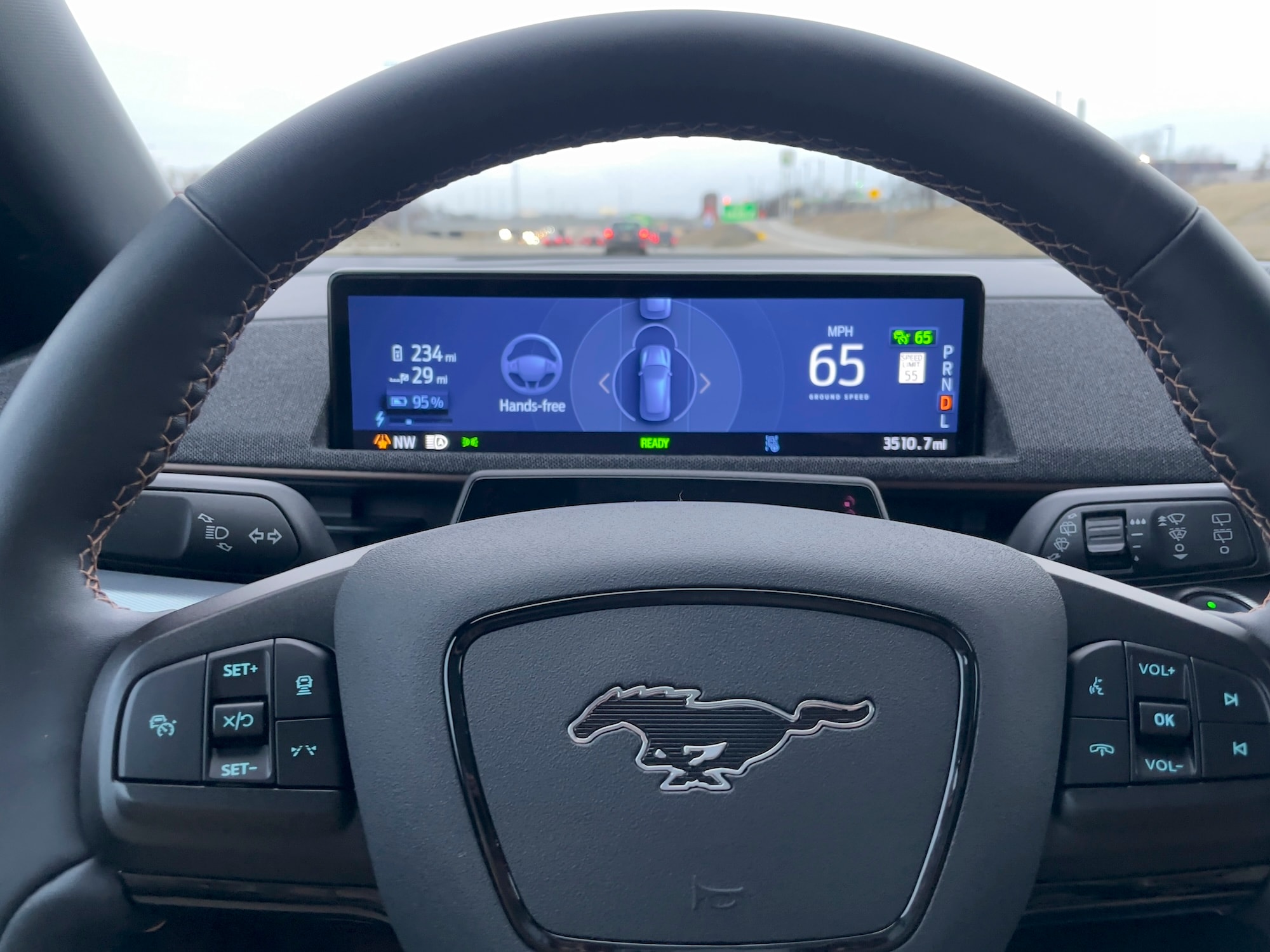
Modern vehicles are increasingly connected to the internet, offering drivers a range of convenient features while simultaneously raising questions about where the information collected by the car actually goes. In response to this challenge, Ford has officially introduced its "Privacy Promise," which aims to increase transparency for customers.
More Control and Transparency
Ford's new initiative includes the launch of a dedicated website where owners can learn in detail what type of data their vehicle collects, the purpose of that information, and how they can manage their settings. Kristin Jones, Ford's Chief Privacy Officer, notes that keeping customers informed is essential to earning their trust.
While data management settings have existed in Ford vehicles previously, the company is making them more accessible and understandable. This is particularly relevant ahead of the market launch of a new generation of fully connected electric vehicles. According to Jones, studies show that only a small portion of drivers—approximately 14%—have a full understanding of what their vehicle collects.
Data and Commercial Interests
Data privacy is a contentious issue in the automotive industry, especially after some companies faced backlash for selling data to third parties. Ford strictly denies such practices. Jones emphasizes that the company does not intend to monetize data and will not pass information about driver behaviour to data brokers.
Naturally, disabling certain features will automatically restrict specific services. For example, turning off "connected services" makes real-time navigation or built-in assistance features unavailable. However, the company explains that data collection serves to monitor the vehicle's technical condition, support technological development, and ensure safety, rather than for targeted advertising.
What This Means for the Customer
Ford's move is an attempt to build long-term trust with its customers. As cars increasingly resemble "smartphones on wheels," data protection is becoming not just a technical issue, but an ethical one. Ford's decision to speak openly about its practices could set a new industry standard where privacy has often been a secondary concern.
For customers who are increasingly purchasing new, technologically equipped vehicles, such initiatives are significant. It increases awareness of what information we entrust to our cars and how we can protect our personal space alongside technological progress.