Flat Ethernet Cables: Aesthetics or a Compromise on Internet Speed?
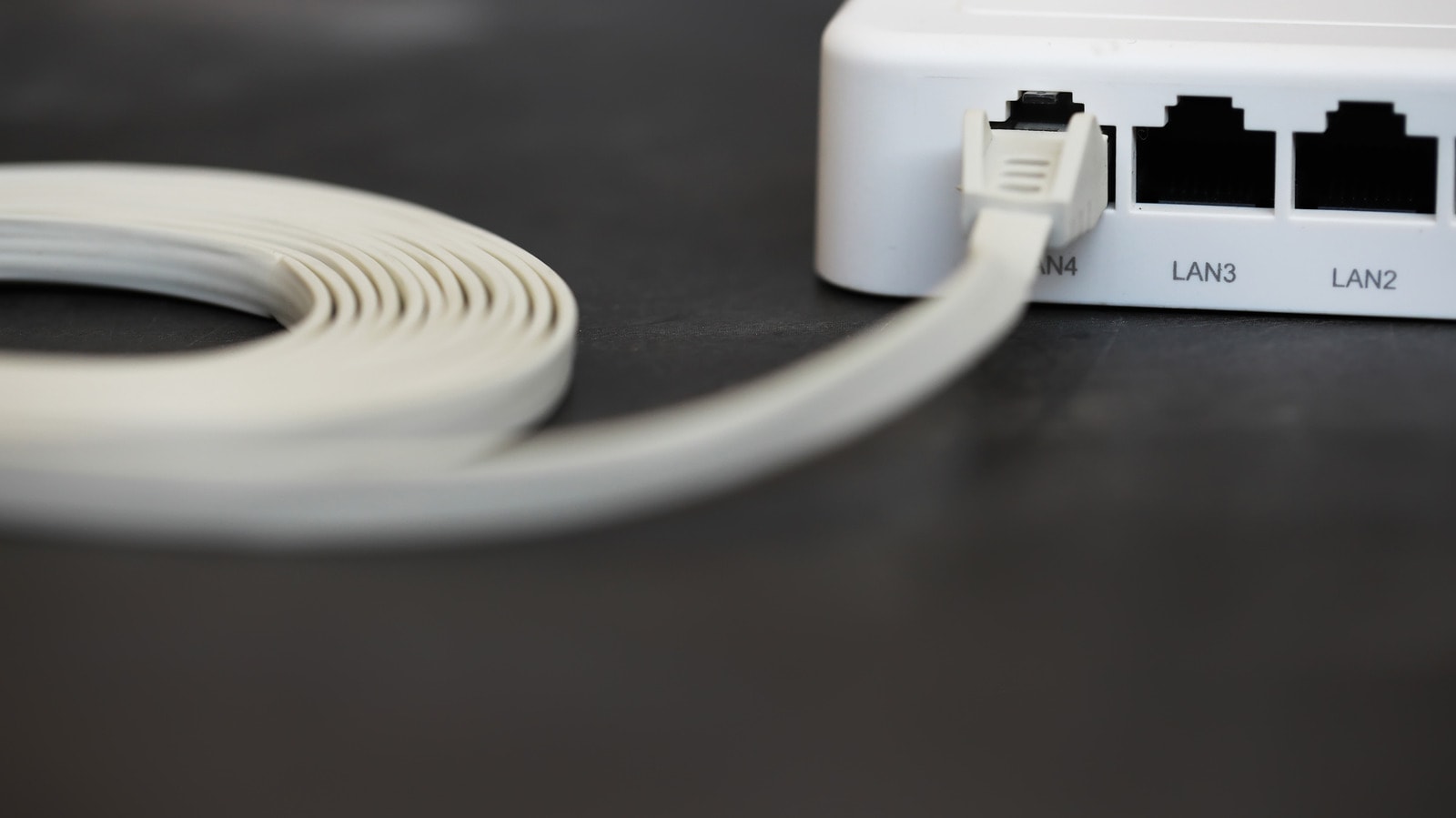
In recent years, flat Ethernet cables have become increasingly popular. Their appeal is simple: they fit easily under carpets, around door frames, and into tight corners, reducing cable clutter in the home. However, before you replace all your traditional round cables, it is important to understand that this aesthetic choice often comes with technical compromises.## Why is the round shape the standard?The wires inside Ethernet cables are twisted in pairs. This twisting is not accidental; it prevents signal interference, ensuring a stable and fast connection. In round cables, these wires are wrapped around each other, providing maximum protection. In flat cables, however, these pairs are arranged in a single line. As a result, they are more susceptible to internal interference and often lack an additional shielding layer.Furthermore, cable thickness is directly related to bandwidth. To achieve a flat design, manufacturers often use thinner wires. Thinner wiring increases electrical resistance, which leads to signal attenuation over long distances and a drop in internet quality.## Physical durability and operationOne of the main problems with flat cables is their fragile nature. Although they are easy to bend, constant pressure from being stepped on under a carpet or pinched by a door damages their internal structure. The shape of a round cable naturally provides a degree of cushioning that flat alternatives lack. Consequently, flat cables fail much more frequently than their traditional, robust counterparts.## When should you use a flat cable?This does not mean you should avoid flat cables entirely. There are cases where they are the best solution. For example, if you live in a rented apartment where you cannot run cables through walls, and a door will not close due to the thickness of a standard cable, a flat model is the only alternative. Furthermore, for short distances where you do not need to move or bend the cable frequently, a flat cable is functionally sufficient.However, if your priority is maximum speed, stability, and long-term reliability, it is better to stick with classic round Ethernet cables. This is especially true for long distances, where the technical limitations of flat cables become most apparent. Ultimately, when setting up a home network, it is best to find a balance between aesthetics and technical efficiency.