Fitbit Edge: The New Fitness Tracker in the Google Ecosystem
Bridging the gap between budget and premium wearables
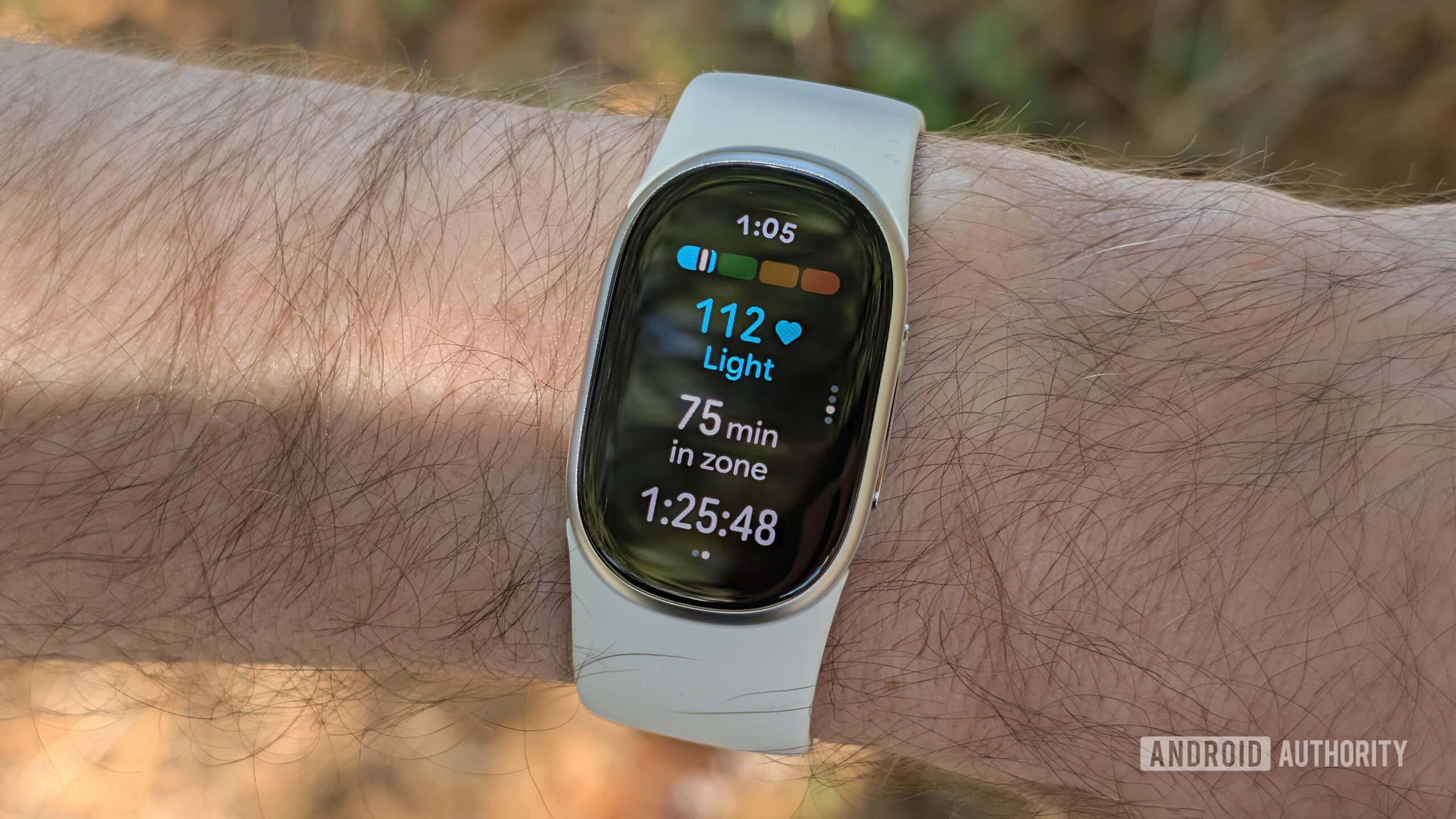
A New Player in Google's Wearables Lineup
Google has officially introduced the Fitbit Edge, a device designed to merge the functionality of fitness trackers with the capabilities of smartwatches. This new gadget is tailored for users seeking a smartwatch-like experience at an accessible price point, without the cost of premium models.
The positioning of the Fitbit Edge is notable, as it fills the void between the Pixel Watch and the more budget-friendly Fitbit Air series. This strategy allows Google to offer a "wearables ladder," enabling entry-level users to easily select their first device and upgrade to more advanced models in the future if needed.
Competition and Market Realities
Although the Fitbit Edge has received a warm welcome, it faces significant competition. Interestingly, its primary challenge comes from within Google's own ecosystem. The diverse features of the Pixel Watch and the affordability of the Fitbit Air often confuse buyers choosing between products within the same brand.
Furthermore, the market is saturated with alternatives that either undercut the Fitbit Edge on price or offer superior technical specifications. In this environment, Google's primary task is to convince users that the Edge represents the best balance between cost and functionality.
What This Means for Users
Google's wearable devices are becoming increasingly popular. The arrival of the Fitbit Edge is promising for those who want a modern health monitoring system but are not ready to invest in a full-fledged Pixel Watch.
In the future, the success of such devices will depend on how effectively Google's software performs and how seamlessly the ecosystem integrates with various Android smartphones. The launch of the Fitbit Edge confirms that tech giants are actively segmenting the fitness tracker market, which ultimately provides consumers with more choice.