Fitbit Edge and Fitbit Air: Key Differences Between the New Devices
Google's latest wearables offer distinct features for different user needs
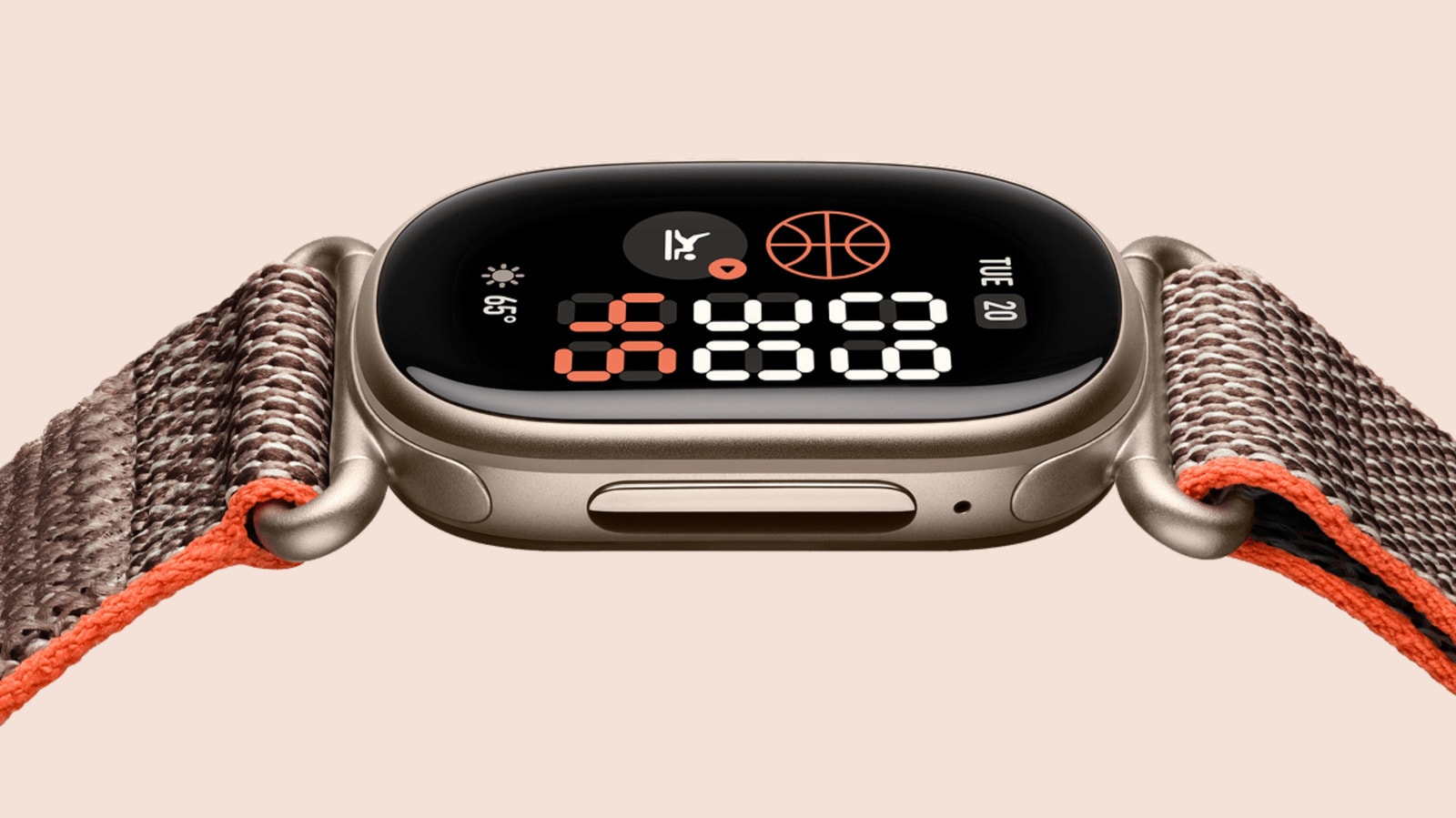
Google has updated its wearable lineup with the introduction of two new products: the Fitbit Edge and the Fitbit Air. While they share a similar visual aesthetic, the differences between the two devices go much deeper than just the presence of a screen.
Functional Diversity
At first glance, one might assume the Fitbit Edge is simply a version of the Fitbit Air with a display, but the reality is quite different. The internal architecture and capabilities of the devices differ significantly. This means that when choosing between them, users should focus not only on the display, but on the specific features each model offers for daily activity and health monitoring.
What to Expect
Fitbit's new strategy aims to meet the needs of various types of users. If you are looking for a device that is as simple as possible and focuses on core data, the Fitbit Air may be the better choice. However, for those who want more visual information and detailed statistics directly on their wrist, the Fitbit Edge is a more attractive option.
Fitbit devices are highly popular, particularly among fitness enthusiasts. The arrival of these new models will allow users to more precisely select the gadget that best suits their lifestyle. Although local pricing and availability for these Google products are yet to be confirmed, their technical differentiation clearly demonstrates the company's desire to strengthen its position in the wearables market.