Final Fantasy VII Revelation: How Square Enix Balances Past and Future
The final chapter of the trilogy promises to redefine the scale and scope of the iconic series.
A Grand Finale After a Decade-Long Journey
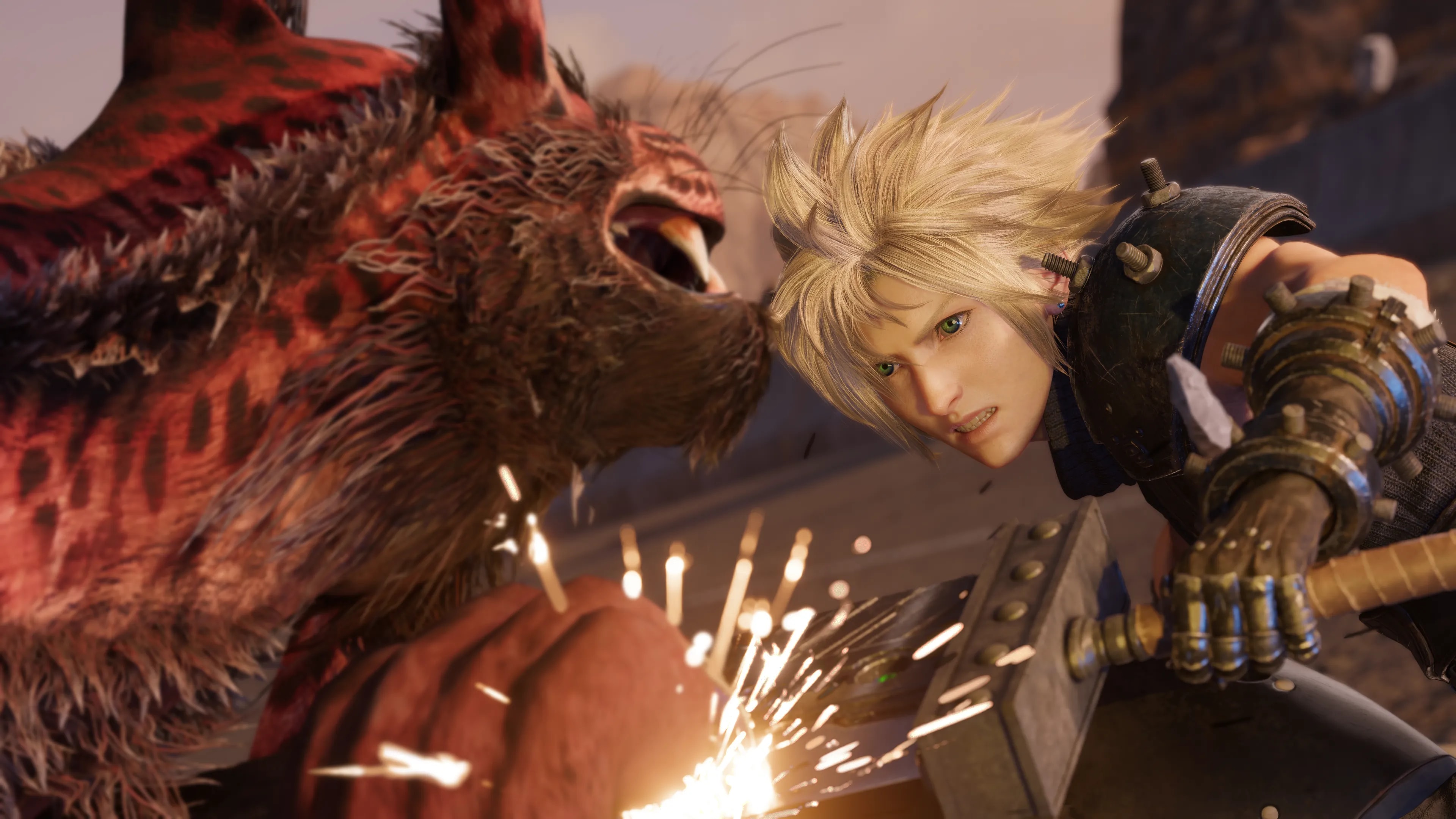
The Final Fantasy VII remake trilogy is widely considered one of the most ambitious projects in the gaming industry. Reimagining the 1997 cult classic—a process spanning over a decade—is finally nearing its conclusion. Naoki Hamaguchi, the director of the game and a lead at Square Enix, states that despite the massive scale of the project, the team is fully prepared for the final installment, titled Final Fantasy VII Revelation.
The original PlayStation title was a phenomenon that moved video games from a niche hobby into mainstream culture. The remake trilogy has taken this story to an entirely new level. Both the first part, released in 2020, and 2024’s Final Fantasy VII Rebirth demonstrated that the developers were not merely upgrading visuals; they created a multi-layered narrative that captivates both veteran fans and a new generation of players.
A Multi-Layered World and Narrative Innovations
Hamaguchi rejects the term "multiverse" for the game, preferring the concept of "multi-layered" reality. According to him, the central theme of Revelation is "Reunion." This concept ties directly into the mythology of the original, where characters and events from different spaces converge at a single point.
The development of the Wutai region is particularly impressive. While it was a small settlement in the 1997 original, it has become a fully realized, massive city in Revelation, where players will travel via Chocobo and uncover countless secrets. The developers did not struggle to fill the content; rather, they had to restrain certain ideas to ensure the game did not become overly saturated.
New Standards for Gameplay
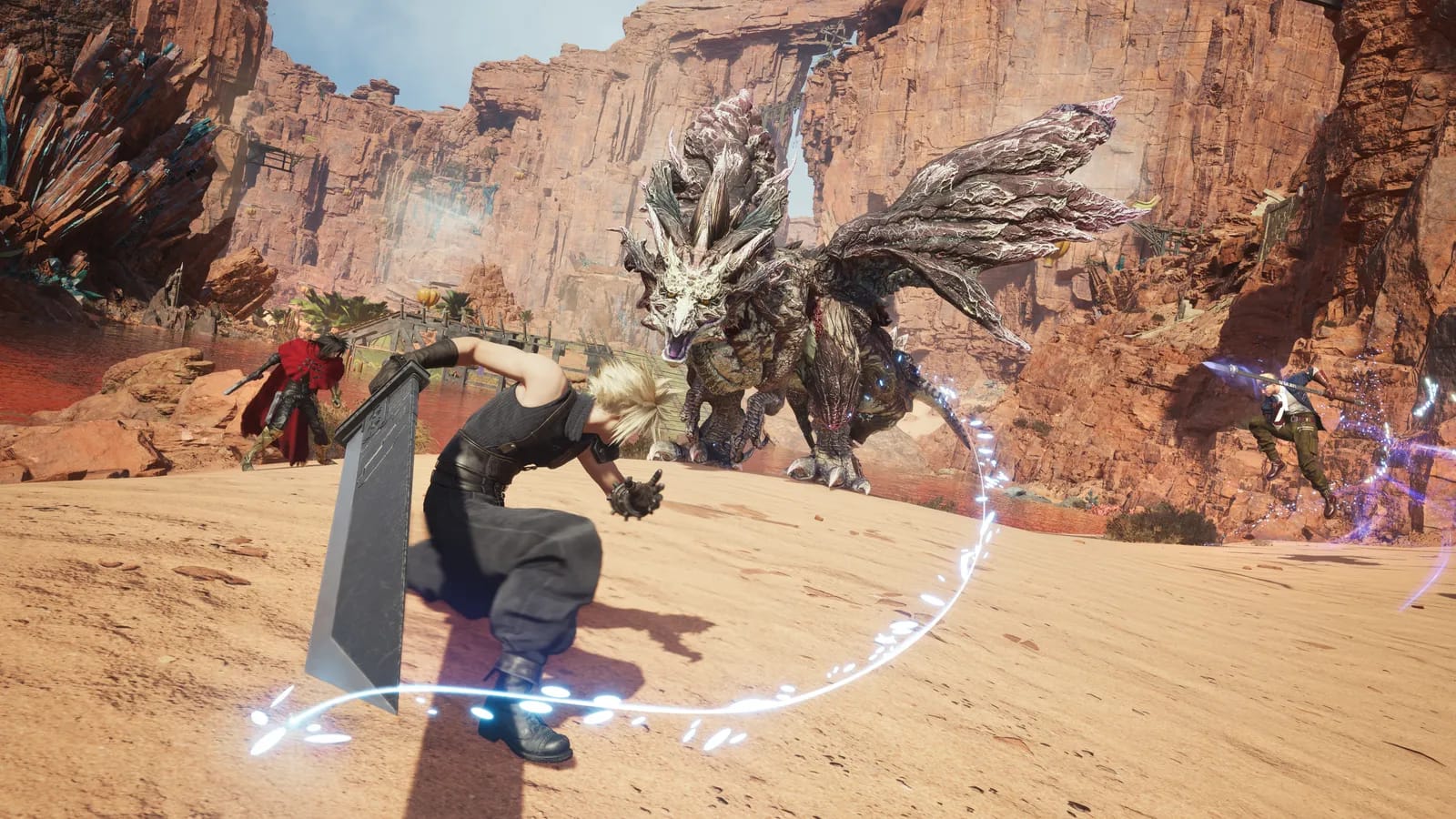
Final Fantasy VII Revelation will offer the most expansive open world seen in the history of the series. Using Cid Highwind’s airship, the Highwind, players will be able to traverse the entire planet. Furthermore, the game introduces two iconic characters, Cid Highwind and Vincent Valentine, adding significant variety to the combat system.
One intriguing innovation is the "Function Integrated Tactical Suitwear" (FITS) system, which allows players to equip characters with outfits inspired by classic roles from previous series entries, such as White Mage or Summoner. This detail serves both as a way to personalize characters and as a tribute to the history of the franchise.
What This Means for Players
Hamaguchi’s goal is to shatter the stereotype that Final Fantasy is solely a story-driven experience. He wants the series to stand alongside modern open-world titles known for their gameplay. Although the game requires time and engagement, the developers have listened to player feedback and simplified some of the technical requirements that caused friction in previous installments.
Ultimately, Revelation is an attempt to bridge the past and the future. For the studio head, seeing a new generation of developers enter the industry inspired by these remakes is the greatest reward. For gamers, this project promises to be the most expansive and emotional adventure experience seen in years.