FCC Bans Devices Containing Chips Posing Security Risks
The U.S. regulator expands its "Covered List" to include specific surveillance components.
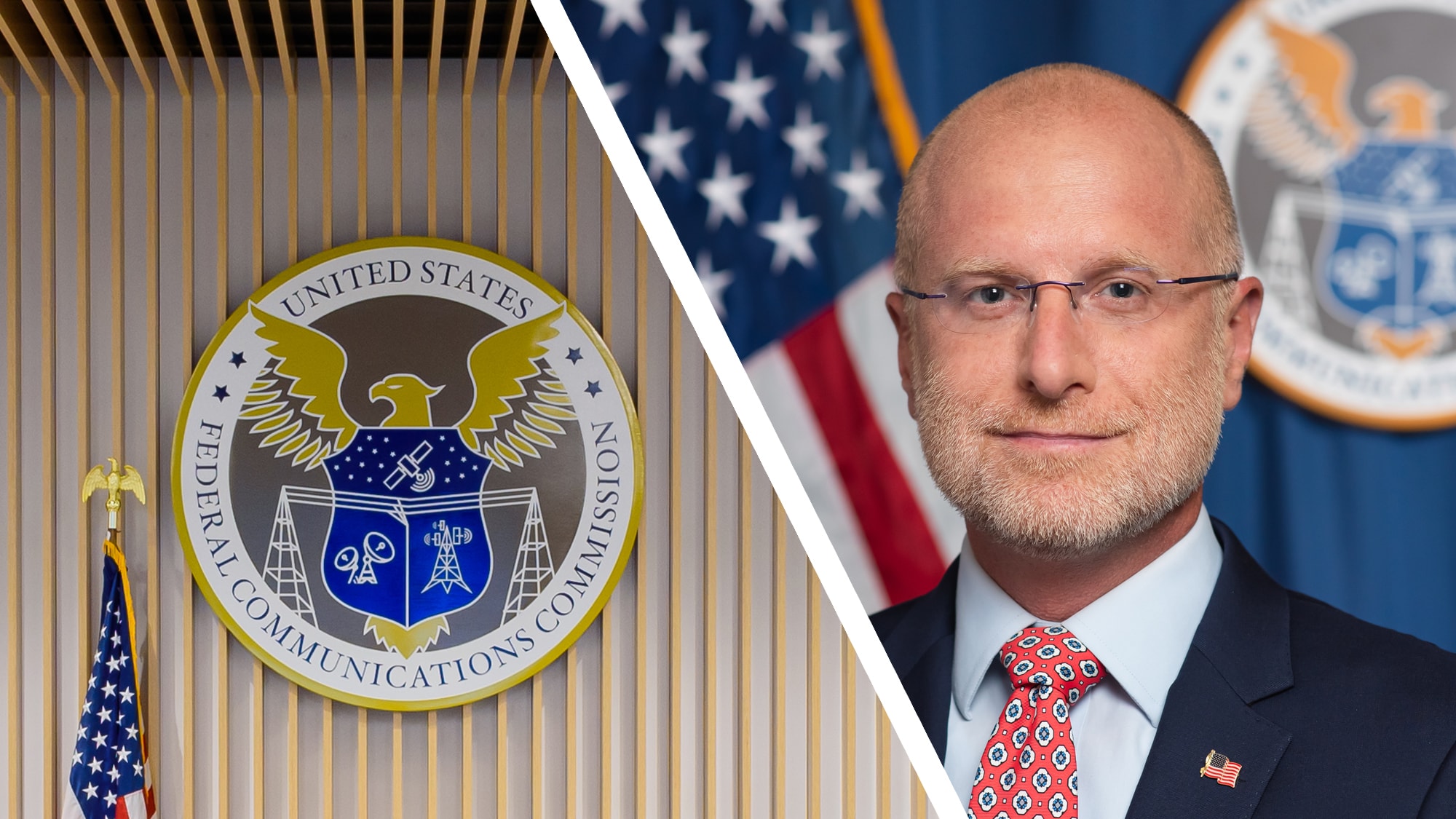
The U.S. Federal Communications Commission (FCC) has introduced stricter technology security standards. Under the new regulations, electronic devices containing components from manufacturers deemed a threat to national security are now prohibited. This move expands the commission's "Covered List," which previously included only specific manufacturers.
Surveillance Technology and New Restrictions
The ban currently targets two unnamed devices found to contain HiVision chips. HiVision is a subsidiary of the Chinese tech giant Huawei, which has long been on the U.S. sanctions list. These chips are primarily used in home security cameras and vehicle dashcams.
The FCC stated that these chips are considered "foreign surveillance components." They feature built-in facial recognition algorithms that, according to the regulator, could be used for unauthorized data collection rather than just user safety. This decision aims to prevent potential risks posed by foreign-origin surveillance systems.
Intel Exception and Industrial Robots
Despite the strict policy, the FCC has granted a concession to Intel, allowing a one-year exemption for robotic systems used in its factories. Intel explained that this "advanced foreign-origin robotics" is critical for semiconductor manufacturing, as similar equipment is currently unavailable on the domestic market.
The commission acknowledged that an immediate ban could cause serious disruptions to American chip production. However, this permission applies only to existing models used for the past twenty years, not new hardware. After one year, Intel must either find alternative robots free of foreign components or reapply for permission.
What Do These Changes Mean?
This step highlights the vulnerabilities in the global supply chain and the difficulty of completely eliminating foreign components from modern technology. While this news does not directly affect users in Georgia, it illustrates a global trend where technological security is becoming an inseparable part of national security. In the future, such regulations may serve as a foundation for other countries seeking to protect their own digital infrastructure.