Europe Needs Its Own Leaders in Artificial Intelligence
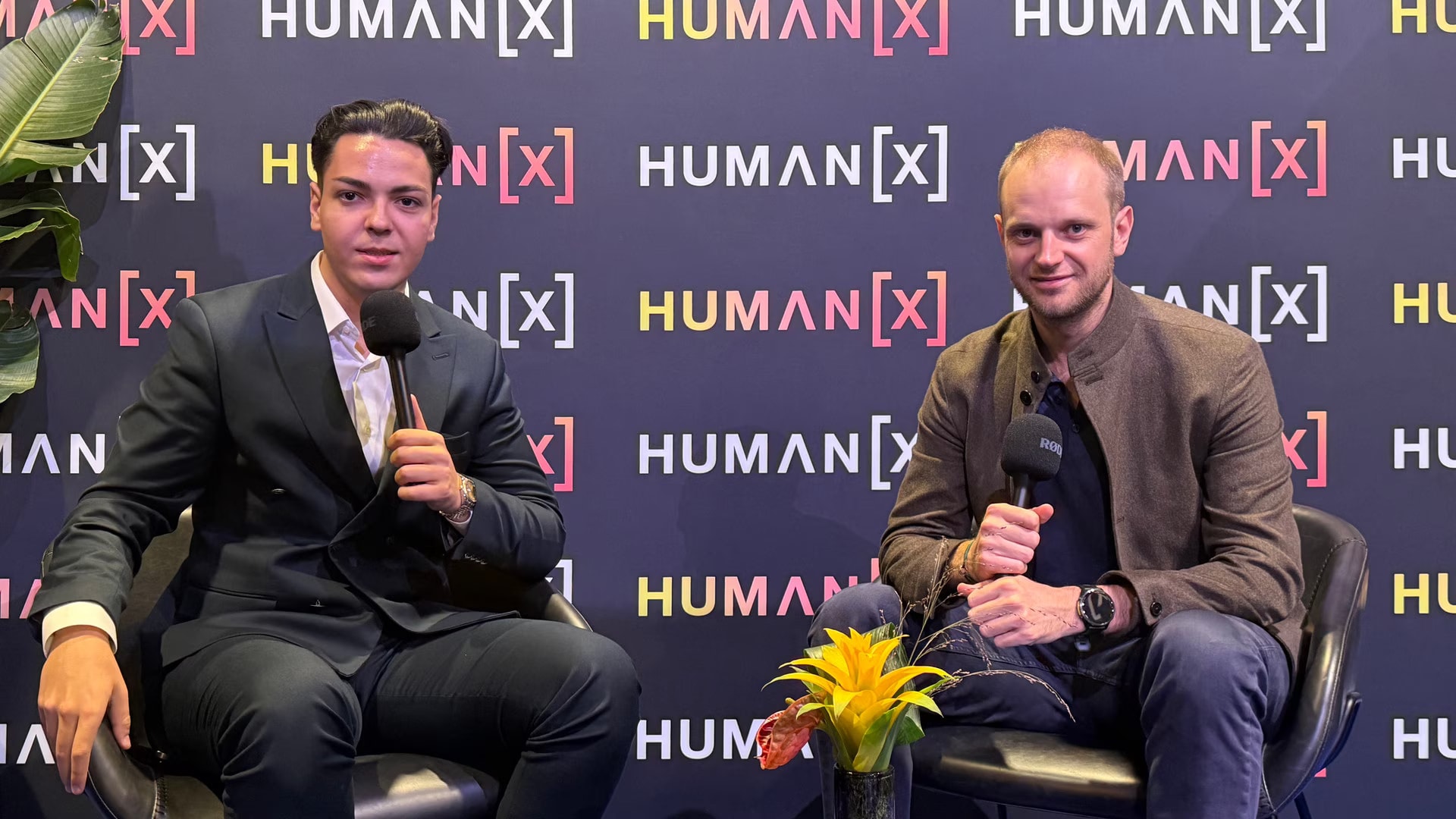
Over the past few decades, Europe's economic growth has lagged behind that of the United States. Alexander Rinke, co-founder and co-CEO of Celonis, believes that to prevent this gap from widening further in the age of artificial intelligence, Europe must urgently bolster its technological potential. He clarifies that this is not about distrusting American companies, but rather ensuring that European businesses and governments participate in the economic benefits that AI will generate.
Technological Sovereignty and Data Security
Rinke explains that "sovereign AI" means organizations have full control over their models, which primarily involves owning the model weights. For modern businesses, data privacy is critical. Companies are often reluctant to have their sensitive information used to train external models, a common occurrence when relying on cloud services.
Celonis’s approach addresses this challenge: the platform allows clients to process data locally and adapt open-source models to their specific business tasks. Consequently, companies achieve results equal to or better than those of giant "frontier" models, without the risk of data leakage.
An X-Ray for Business Processes
Celonis has been on the market for 15 years, specializing in "process intelligence." Rinke notes that while they initially intended to create simulation models for business operations, they discovered that companies lacked a clear picture of how they actually functioned. They subsequently developed a tool that scans business processes like an X-ray by analyzing data flows.
Recently, the company acquired the MIT spin-off Ikigai Labs, enabling more efficient work with tabular data and predictive modeling. This integration provides large language models (LLMs) with the tools required for complex tasks, such as supply chain forecasting or automated insurance claims processing.
Advice to Startups: Focus on Customers
Rinke is critical of startups that prioritize slide decks over real product value to attract investors. He argues that four questions are decisive for building a successful business: Is the product valuable? Is its value unique? Is the process repeatable? And most importantly, are customers willing to pay for it?
"You shouldn't build a company just to raise capital; you should build it for your customers," Rinke states. Although Celonis has come a long way and now employs over 3,500 people, the founder remains actively involved in technical projects.
For countries like Georgia, where the technology sector and interest in AI are growing rapidly, Rinke’s perspective is significant. Developing local, specialized solutions and prioritizing data sovereignty represents a far more sustainable long-term business model than remaining solely a consumer of foreign platforms.