Europe Becomes Prime Target for Cyberattacks: Alarming Statistics
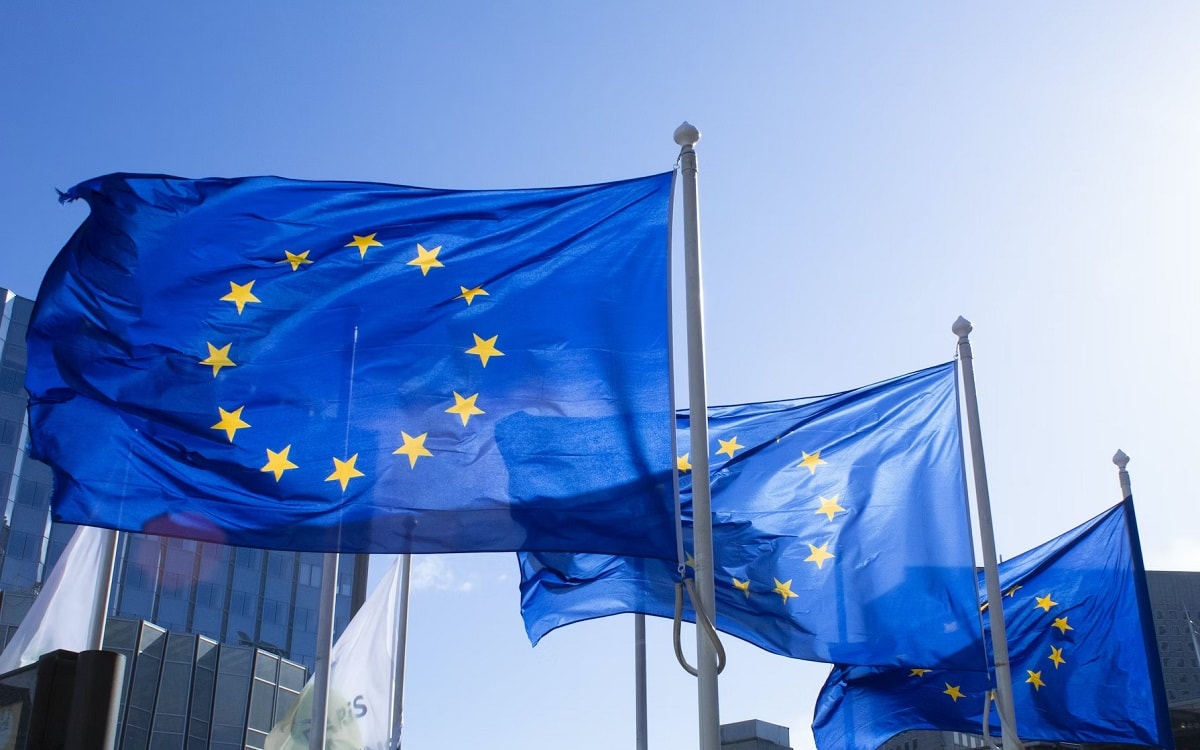
European organizations are facing unprecedented cybersecurity challenges, with recent data showing that Europe is being targeted by cyberattackers far more aggressively than other parts of the world. The threats are diverse, ranging from state-sponsored groups to criminal syndicates driven by financial gain.
Phishing and Business Email Compromise
The most notable increase has been in attacks conducted via email. Compared to 2025, phishing incidents in Europe have surged 4.5 times, while the global rate has only increased by 1.5 times. Particularly dangerous are Business Email Compromise (BEC) attacks, where attackers steal corporate identities to send fraudulent requests to partners and employees. Such incidents are recorded 3.4 times more frequently in the European electronics sector than the average.
Interestingly, European users are proving to be particularly responsive to cyberattackers. For every 100 suspicious emails, there are an average of 8.3 clicks in Europe, which is four times higher than the global average of 2.0. This factor provides hackers with strong motivation to focus their activities on this region.
Sectoral Targets and New Players
According to the research, cyberattacks do not discriminate by industry, though some sectors remain more vulnerable. The hospitality and healthcare industries are at particular risk. For example, callback phishing attacks have increased by 262% year-on-year. In the healthcare sector, the use of malware has risen by 84%.
Alongside traditional Russian and Chinese groups that are actively developing penetration techniques, India and Pakistan are also showing increased interest in Europe. While these countries previously focused primarily on confronting one another, their attention shifted toward Western Europe in 2026.
The Role of AI and Cloud Threats
The development of artificial intelligence (AI) has created a new layer of vulnerability. Organizations are actively using over 188,000 AI-based applications, which are often misconfigured. Attackers are now actively hunting for open-source AI tools such as Langflow or LiteLLM. Data shows that the share of attacks targeting AI infrastructure has increased 4.6 times over 90-day periods.
Nearly 99% of European organizations have encountered attacks targeting cloud services. Hackers' goals go beyond simple data theft; in 72% of cases, they aim to maintain long-term presence in systems, manipulate authentication controls, and gain persistent access to files. For companies operating in Georgia, this serves as a clear signal that cybersecurity audits and employee awareness training are more essential today than ever before.