Etsy Cracks Down on AI-Generated Misleading Content
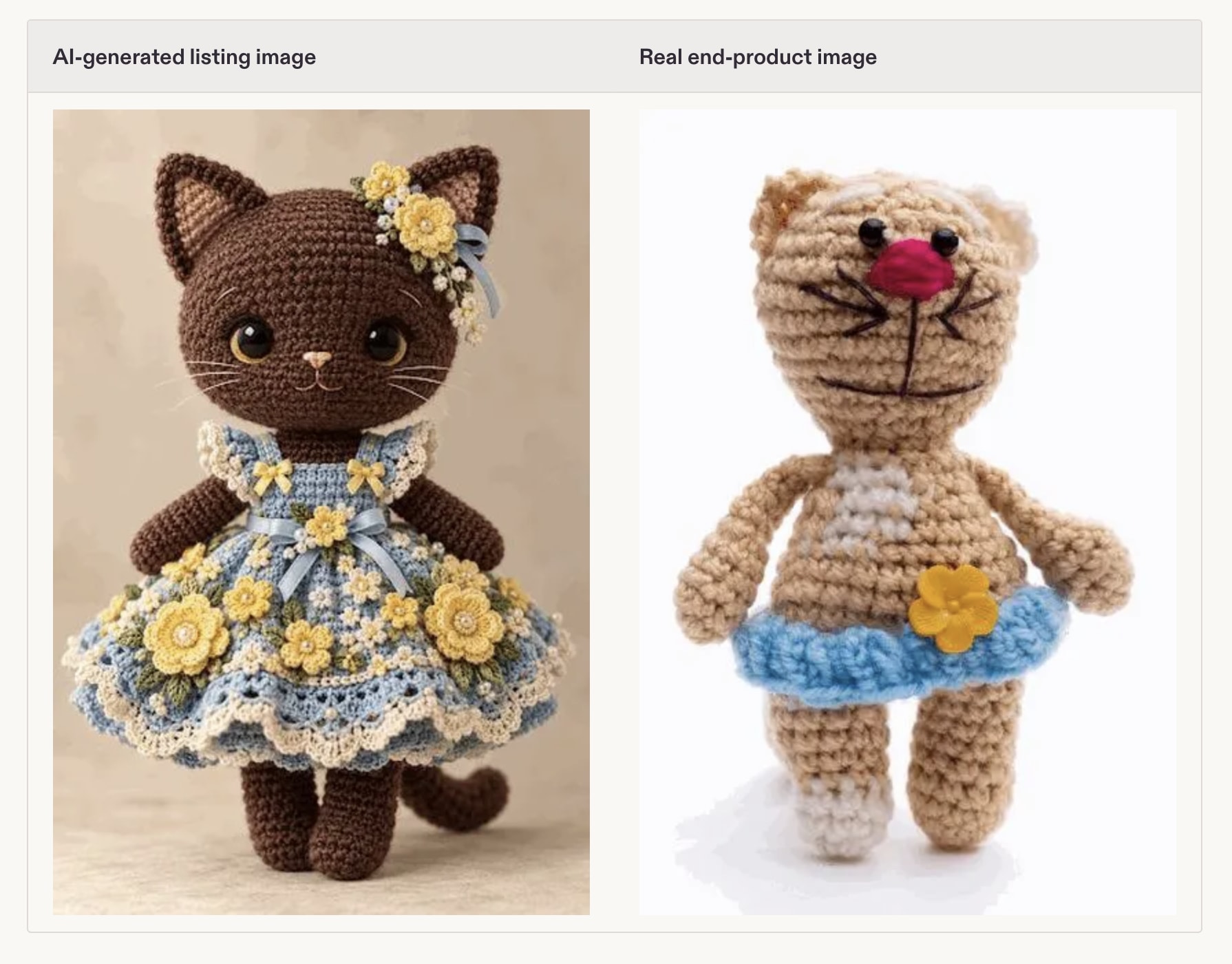
Online marketplace Etsy has significantly tightened its rules regarding the use of artificial intelligence (AI). The company stated that the primary goal of these changes is to reduce the prevalence of "AI slop"—low-quality or misleading listings generated by AI. Many customers have expressed frustration over the difficulty of distinguishing between authentic items and images created solely by algorithms.
New Requirements for Photographs
Under Etsy's new policy, every listing must include at least one unedited photograph that shows the item in a real-world setting. This photo must serve as the primary image for the listing. The objective is straightforward: buyers should know exactly what they will receive in the mail. While other photos may be edited using AI tools, this is permitted only if the final result accurately reflects the actual product.
The platform now automatically detects AI-generated imagery. If the system flags a photo for potential inauthenticity, the seller will receive a notification requiring them to confirm or deny the use of AI. If a buyer receives an item that differs significantly from the listing's photos, the seller may be held liable for a refund.

Restrictions on Digital Products and Bots
Special attention has been given to functional guides, such as recipes, craft patterns, and instructions. Etsy now requires that such content must be the author's original work rather than AI-generated. Sellers are also required to provide evidence of the actual result produced by following these instructions. Furthermore, the platform has completely banned listings created automatically by bots.
It is worth noting that the sale of AI-generated artwork remains permitted, provided the seller clearly discloses that the piece was created with the assistance of AI. This rule aims to increase transparency so that buyers are fully informed about their purchases.
What This Means for Customers
Etsy’s move is a response to concerns from sellers who argue that their authentic work is being overshadowed by AI-generated "fake" products. For international shoppers who frequently use the platform, these changes are a positive signal. It reduces the risk of receiving items that do not match their descriptions. Strengthening trust is a necessary step for the platform to maintain its core value: the ability to purchase unique, high-quality goods.