eSIM vs. Physical SIM: Which is the Better Choice for Your Smartphone?
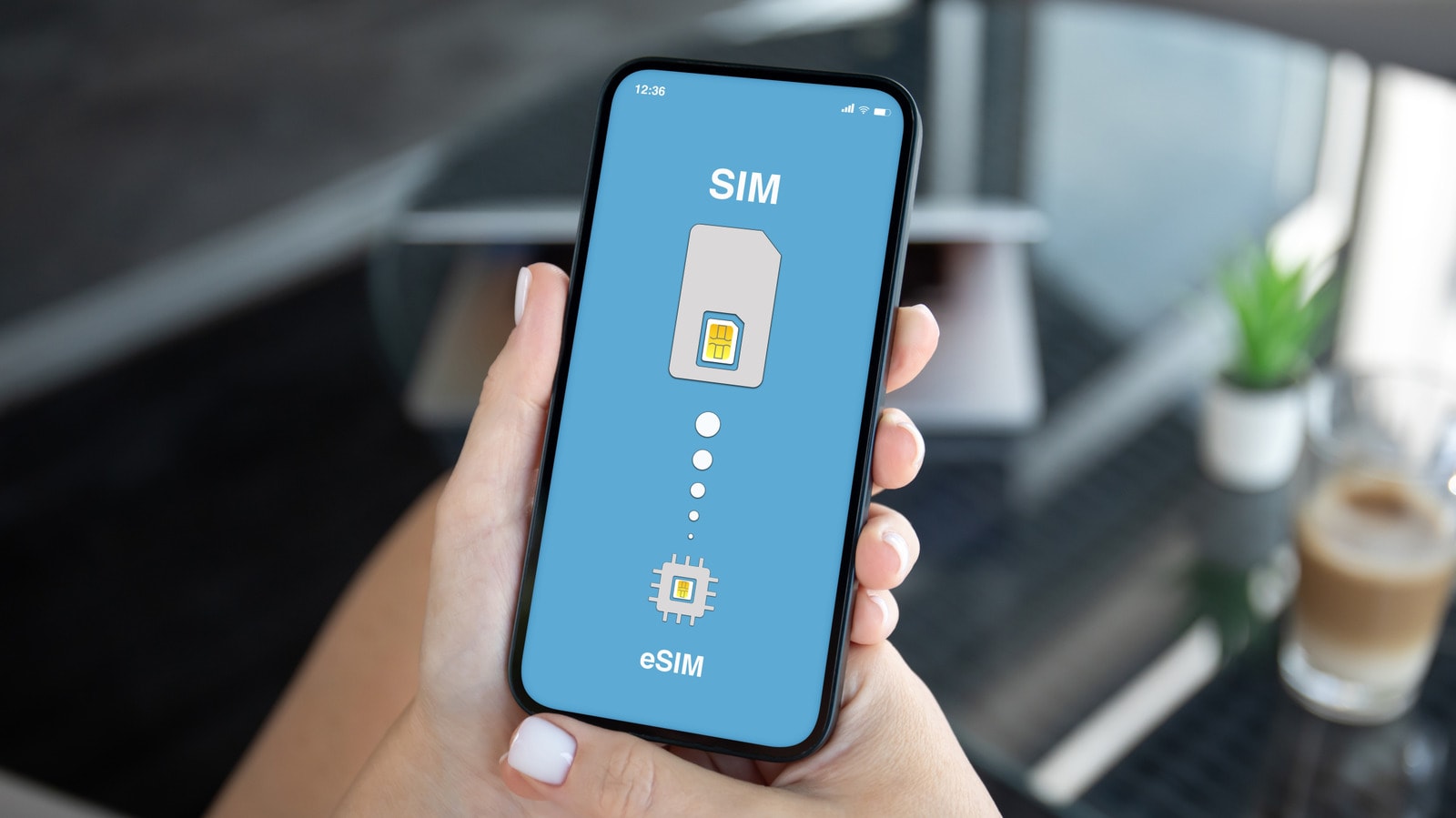
In recent years, the smartphone market has seen a steady shift toward replacing physical SIM cards with eSIMs (embedded SIMs). As manufacturers increasingly abandon traditional card slots, users are left with natural questions: is this technology actually better, and what should you know before switching?
Technical Aspects and Convenience
First, it is important to note that there is no difference between an eSIM and a physical SIM in terms of connection quality, speed, or network coverage. Both serve the same purpose: identifying your subscription on a mobile network. The main difference lies solely in the activation process and the hardware. While a physical card is a removable component, an eSIM is built into the phone’s hardware, where a digital profile is downloaded.
The main advantage of an eSIM is flexibility. When buying a new phone, you no longer need to use a pin to open a slot and transfer the card. You simply use the operator's app, a QR code, or your phone's settings. Furthermore, modern devices allow you to store multiple eSIM profiles simultaneously, which is highly convenient for separating personal and work numbers.
Travel and Technical Limitations
For travellers, an eSIM is a genuine solution. You can purchase a tourist package in advance and activate it upon arrival, rather than searching for local shops. However, caution is advised: always check if your current operator offers favourable international roaming packages to avoid unnecessary costs.
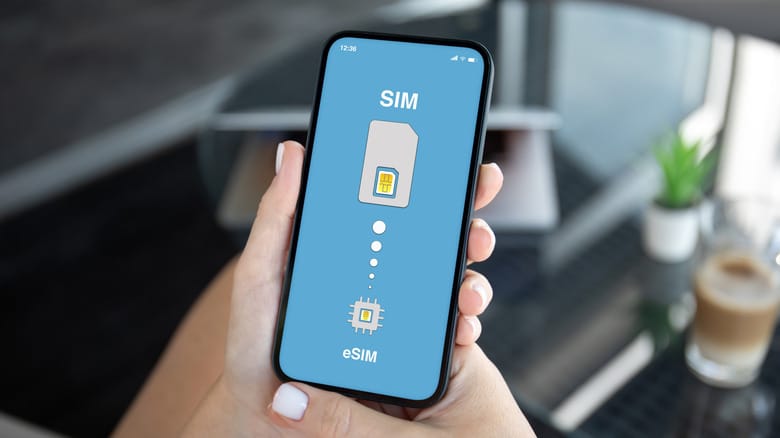
Despite the advantages, eSIMs have certain drawbacks. The main challenge is compatibility; both the phone and the mobile operator must support the technology. Additionally, remember that an eSIM does not override carrier locks; the phone must still be unlocked to use a different provider.
Transfer Difficulties
One of the most frequent questions concerns moving a number from one phone to another. Companies like Apple offer "Quick Transfer," which simplifies the process, though some operators still require you to contact customer service or generate a new QR code. For many, the traditional physical card remains a simpler and more intuitive method.
Ultimately, if your device supports both formats, you have complete freedom of choice. Switching to an eSIM frees up space inside the chassis, which manufacturers often use to add larger batteries or additional components. However, if you prefer older models or simply like having physical control over your SIM card, the traditional method remains a reliable alternative.