Elvis Presley’s Estate Accuses Anthropic of Copyright Infringement
The estate of the legendary musician has filed a lawsuit seeking tens of millions in damages over the unauthorized use of his song catalog.
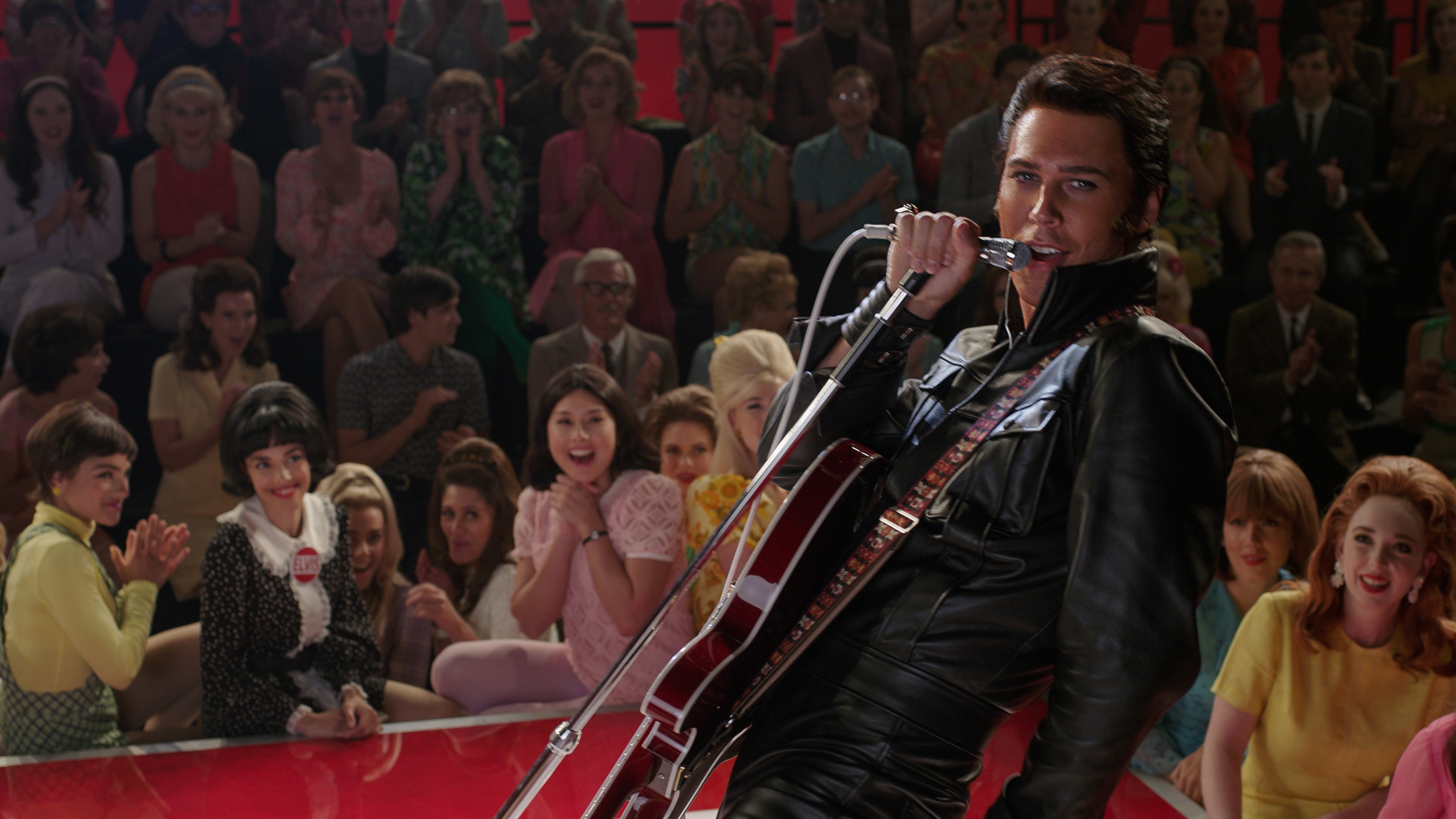
The artificial intelligence industry and the issue of copyright protection are once again at the center of a major dispute. This time, the case concerns the work of the King of Rock and Roll, Elvis Presley. The owners of the rights to 274 of his songs have filed a lawsuit against Anthropic, the company behind the popular chatbot Claude. The plaintiffs accuse the company of illegally using musical works and are seeking tens of millions of dollars in damages.
The Problem: Mere 'Learning' or Illegal Reproduction?
Anthropic categorically denies the allegations and states that it intends to defend its position in court. AI developers often appeal to the principle of "fair use," which allows them to train models on existing data. However, there is a significant distinction in legal circles between data analysis and the reproduction of protected works.
According to the lawsuit, the problem is not limited to data usage. The plaintiffs claim that the texts and musical elements generated by Claude often bear a striking resemblance to Elvis's original works, despite the company having implemented certain safety mechanisms. This raises concerns that the system is not merely "learning" a style, but is directly copying protected material.
Why Is This Important for the Industry?
Similar disputes have become commonplace in the technology sector. Music industry giants and independent artists are increasingly confronting AI startups. However, the Elvis Presley case is unique because it highlights a fundamental injustice: can a commercial product profit from someone else's creativity without permission or compensation?
Critics note that technological progress should not be a privilege that allows companies to bypass the law. Television and film companies have adhered to strict licensing rules for years. Consequently, it is unclear why AI companies should have an exceptional status simply because their algorithms are complex.
What Awaits Us in the Future?
If the heirs of a global superstar have to resort to litigation to protect their rights, the question arises: what is the fate of ordinary artists who have fewer resources? This dispute could become a precedent that determines how artificial intelligence and human creativity coexist.
Ultimately, the court's decision could favor Anthropic, but that does not mean AI companies will be given a "green light" to use everything for free. The tech industry must learn to respect the people whose creativity their systems are built upon. Otherwise, a wave of litigation will only strengthen, potentially hindering the development of innovation.