Electric Trucks as a Power Grid Backbone: A New Perspective
Oregon utility PGE is rethinking the role of heavy-duty electric vehicles in our energy infrastructure.
Electric Trucks as an Energy Resource
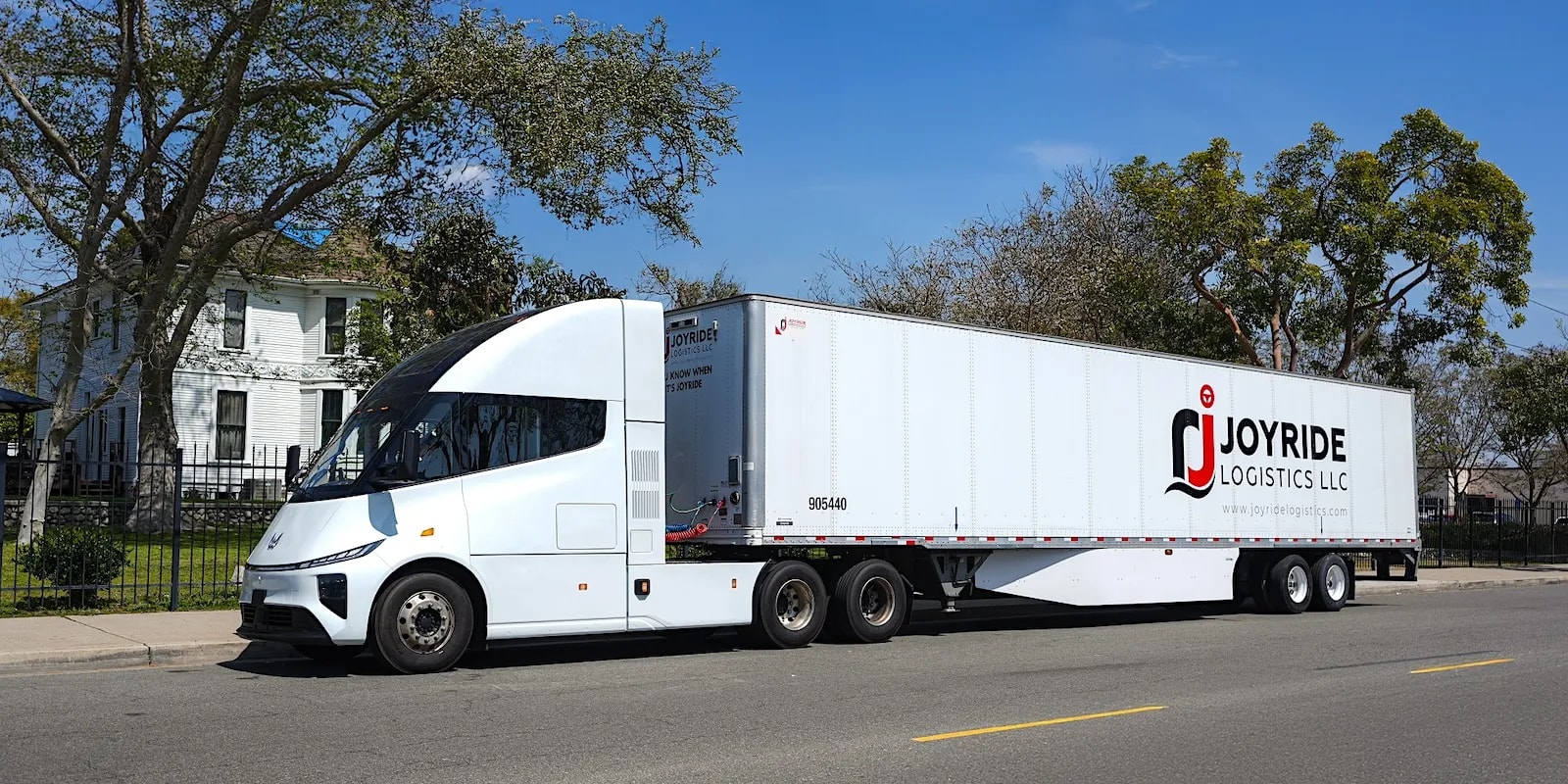
Skeptics of electric vehicles often argue that mass adoption will overwhelm the power grid, potentially leading to collapse. However, Pacific General Electric (PGE), one of Oregon’s largest energy companies, argues the exact opposite. The company refers to heavy-duty electric trucks as "batteries on wheels," capable of supporting the grid and managing peak demand.
Carla Hendrickson, PGE’s manager of transportation electrification, states that heavy equipment like electric trucks and buses are "grid-ready assets." This means they can serve as energy storage, allowing companies to feed additional power back into the grid during periods of high demand. This approach is particularly effective for electric school buses, which operate on strict schedules and remain idle for long periods throughout the day.
The company is already testing technology that enables the transfer of stored energy from buses back into the general grid. This process, known as Vehicle-to-Grid (V2G), could help reduce electricity rates and increase network resilience in the future.
Environmental and Economic Benefits
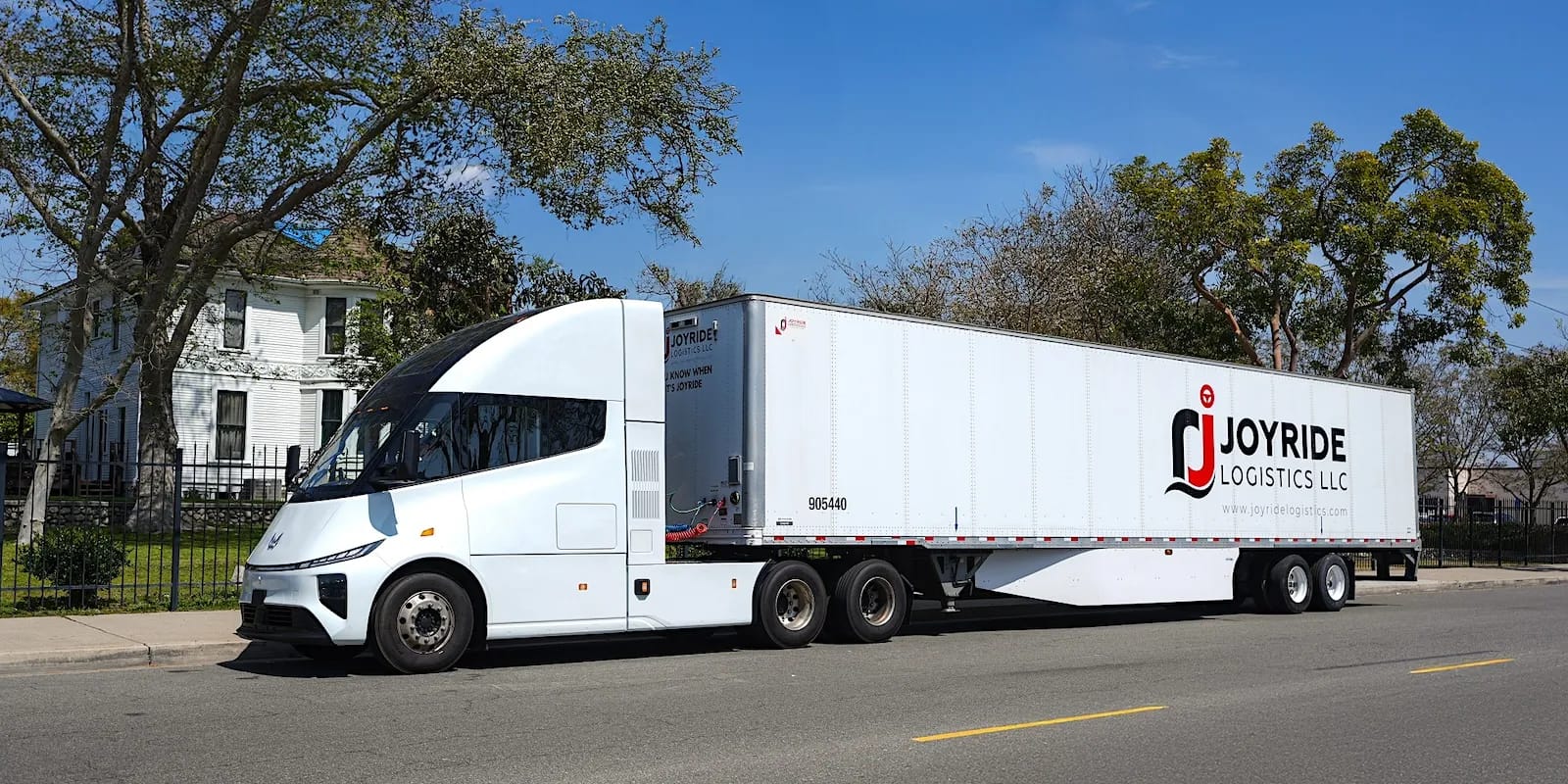
Although there are already approximately 150,000 electric vehicles on Oregon’s roads, the electrification of heavy-duty commercial transport remains in its early stages. Gerik Kransky of the Oregon Department of Environmental Quality notes that while trucks and buses make up a relatively small portion of the total vehicle fleet, they produce a disproportionately large share of emissions within the transport sector.
Electrifying this equipment will not only improve air quality but also protect transport companies from the volatility of diesel fuel prices. At a demonstration event hosted by PGE, both heavy-duty Class 8 trucks and construction equipment, such as excavators and loaders, were showcased. This confirms that technological progress is reaching every segment of heavy industry.
What This Means for the Future
The integration of electric transport into the energy system is a global trend that will soon become relevant in Georgia as well. Managing grid loads and effectively storing renewable energy are critical for energy independence. As the number of electric vehicles grows in Georgia, such practical examples demonstrate that electric transport is not just an ecological choice, but a strategic investment in strengthening energy infrastructure.