Electric Motorcycles: Why the World Needs 125cc-Equivalent Models
While automakers focus on massive electric pickups, the world actually needs the efficiency of 125cc-equivalent electric motorcycles.
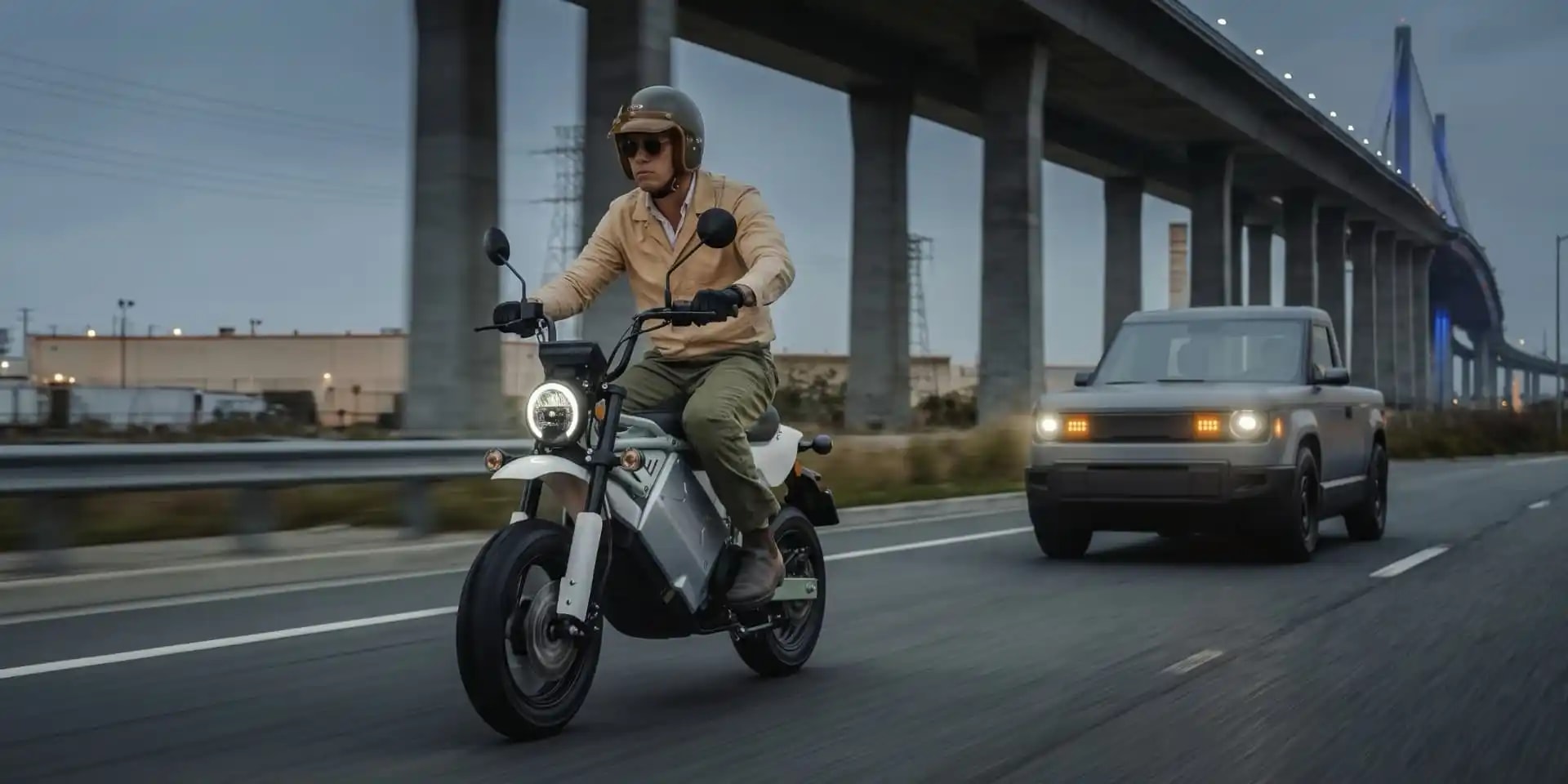
Crossroads: Pickups or Practical Transport?
Observing modern automotive trends, it is clear that North American and Western markets are prioritising electric SUVs and pickup trucks. Startups promise "revolutionary" trucks every week, yet globally, transportation needs are evolving in a different direction. In Asia, where the vast majority of the population travels, pickups are not the primary mode of transport—125cc motorcycles rule the roads.
Small motorcycles from manufacturers like Honda, Yamaha, and others serve as both family transport and delivery vehicles in Asian cities. This is not merely a hobby or "motorcycle culture"; it is the most rational and efficient form of mobility, helping millions of people commute to work, school, or the market every day.
Why the 125cc Class Is Ideal for Electrification
Today's battery technology is perfectly suited to replace 125cc internal combustion engines. A power output of 8 to 11 kilowatts and speeds of 70-100 km/h are entirely sufficient for urban commuting. A 4-6 kWh battery ensures not only simplicity but also extremely low operating costs.
Maintaining an electric motorcycle is significantly cheaper than its combustion-engine equivalent. Furthermore, the energy efficiency is staggering: such a vehicle requires only 4-6 kWh to travel 100 kilometres. For comparison, travelling 10,000 kilometres on an electric motorcycle costs approximately $160 in electricity, an amount that is practically negligible for a family budget.
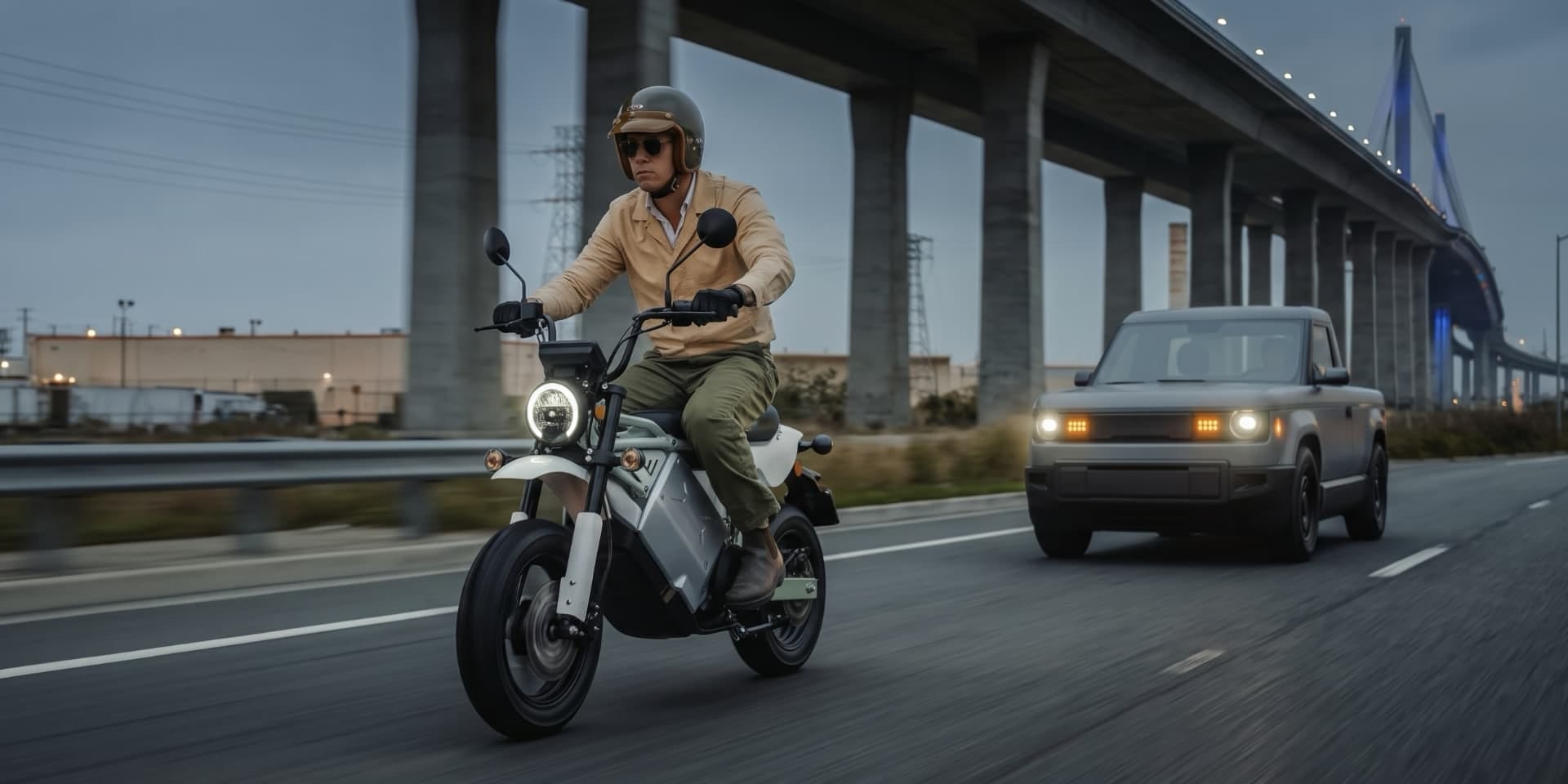
Infrastructure and Charging Simplicity
A major hurdle often deterring consumers from buying electric cars is the charging infrastructure. However, for small electric motorcycles, this problem does not exist. They do not require DC fast charging stations. A 4-5 kWh battery can be charged from a standard household outlet, just like a laptop. A motorcycle charged overnight is fully ready for use by morning.
Additionally, battery-swapping systems, such as the Gogoro network, eliminate the need for charging altogether—you simply go to a station, swap a depleted battery for a full one, and continue your journey. This model is far more practical than constantly charging the massive, heavy batteries found in larger vehicles.
The Future: More Than a Hobby
Although motorcycles are often viewed in the West as mere toys or tourist tools, the new generation's interest in electric two-wheelers—such as Sur Ron-style bikes—indicates a shift in mentality. People are seeking affordable, manoeuvrable, and easy-to-operate transport.
Of course, a motorcycle will not replace a car in every situation, especially in bad weather or when transporting a large family. However, if a household completes even half of its daily trips on an electric motorcycle, it would be a huge step toward energy conservation and reducing traffic congestion. In Georgia, where urban traffic and parking issues are acute, such compact and efficient electric transport could become the future of urban mobility.