EICMA 2026: The Future of Electric Motorcycles from Milan
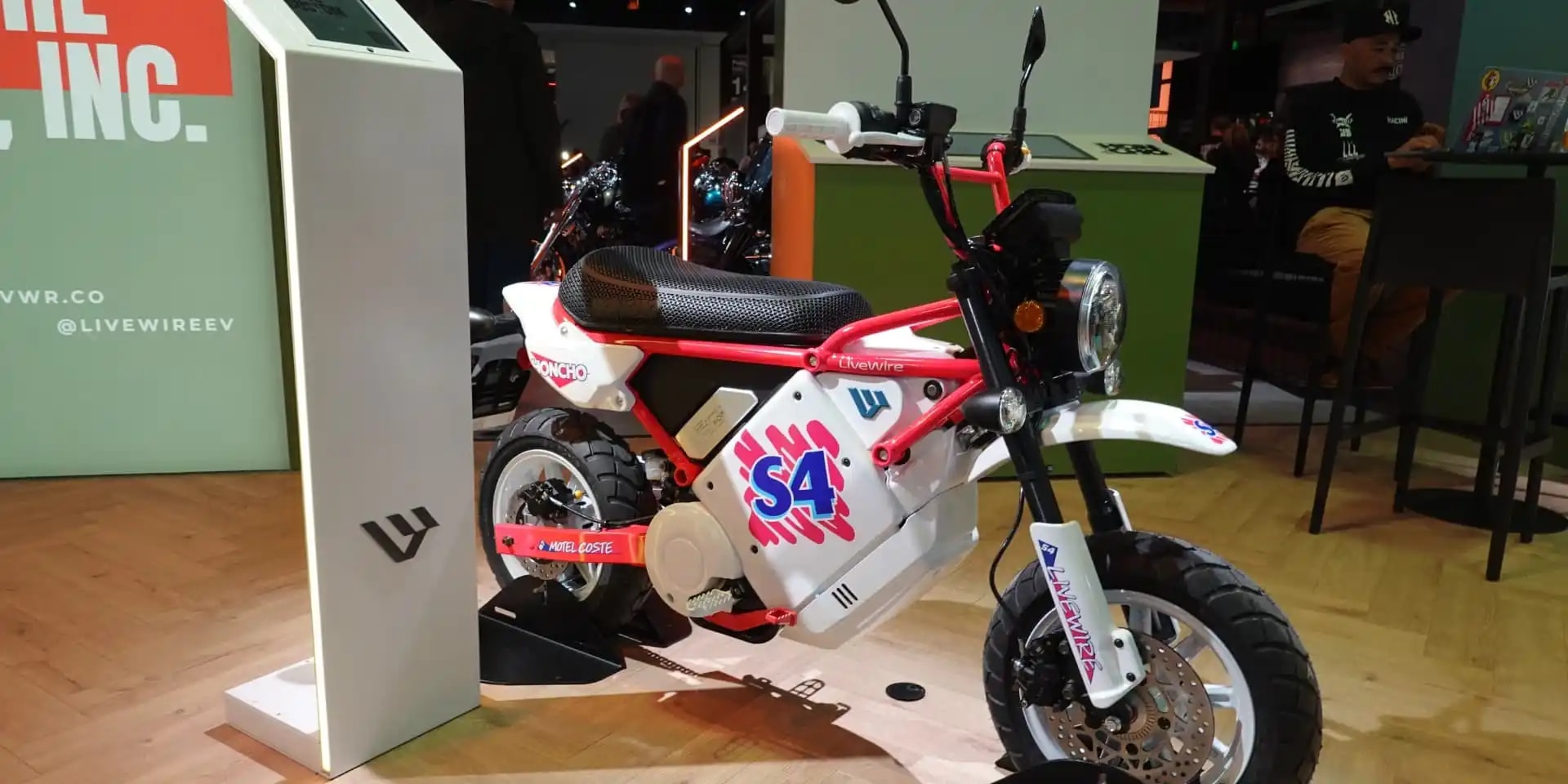
The annual Milan International Motorcycle Show (EICMA) has once again served as the premier stage for leading manufacturers and startups to showcase their visions. The 2026 event highlighted electric motorcycles and scooters that impressed not only with their variety but also with their technological maturity.## LiveWire and DUST Moto: Expanding the EcosystemHarley-Davidson subsidiary LiveWire announced the expansion of its S4 Honcho series. The modular platform now features urban, road, and sport variants. Notably, the acquisition of DUST Moto has allowed the company to establish a presence in the lightweight electric enduro segment. The new DUST Hightail and Spur models underline the brand's strategy to create a full lifecycle, where children begin on STACYC electric balance bikes before transitioning to full-sized electric motorcycles.## GR1T and Real Motors: Analog Experience and InnovationItalian startup GR1T captured attention with its G1 platform. This 130kg lightweight motorcycle features 6kWh removable batteries, a critical advantage for urban riders who need to charge at home. The company plans to enter the market by 2028 with a price point of 8,495 euros.Real Motors offers a completely different approach with its ARES project. This “electro-analog” motorcycle eschews excessive screens and digital services. With 100 horsepower, the ARES focuses on the pure pleasure of riding. Limited production begins in 2027, with prices starting at $20,000.## Safety and New ConceptsSafety was another significant theme at the show. Seatylock introduced the Ultra D28, a lock specifically designed to resist angle grinders, providing robust protection for motorcycles. Meanwhile, Yamaha debuted the NMAX E scooter, an electric alternative to its popular petrol model, while Segway showcased the experimental X Cruiser—a hybrid concept between a motorcycle and a car featuring an enclosed cabin and seatbelts.## What This Means for the FutureEICMA 2026 confirmed that electric motorcycles are no longer just “toys” or experimental models. The industry has shifted toward creating practical vehicles for daily use. While many models remain in the conceptual or pre-funding stages, their technical specifications—such as removable batteries, increased power, and modularity—suggest that the mass replacement of small-displacement petrol motorcycles in cities is inevitable in the coming years.