EE Announces Pricing for New iPhone Handoff Service
The new feature will allow users to seamlessly switch between multiple iPhones using a single eSIM.
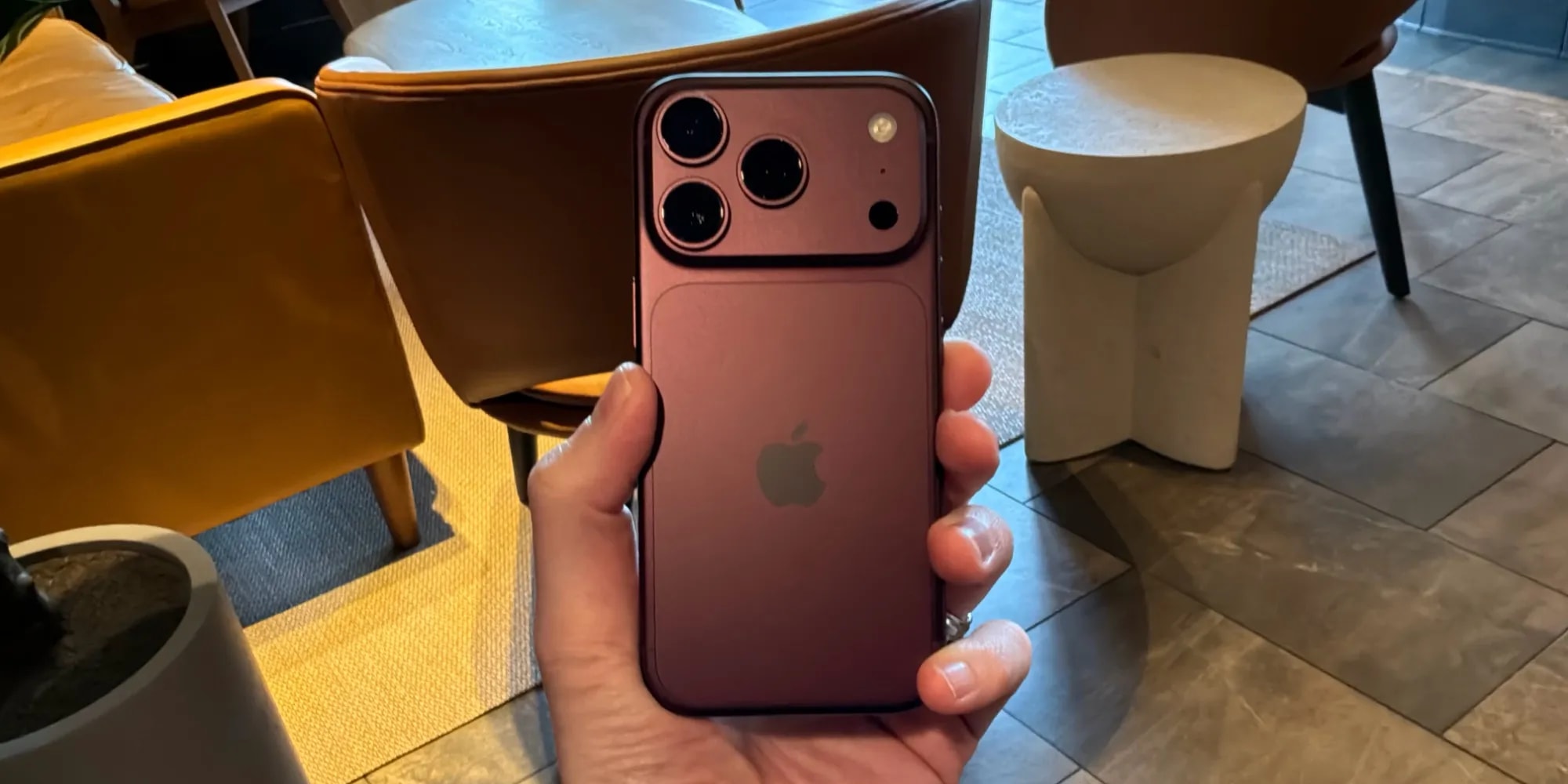
British mobile operator EE has officially unveiled the pricing structure for its iPhone Handoff service. First announced by Apple during its September presentation, the feature allows users to utilise the same eSIM across multiple iPhones. Consequently, a single phone number will remain active across all chosen devices simultaneously.
How the new service works
The primary goal of iPhone Handoff is to provide maximum flexibility for the user. It eliminates the need to choose between specific smartphones, allowing users to switch between devices seamlessly depending on the situation. For instance, if a user prefers a compact model for sports activities and a larger one for work, calls and messages will sync across both devices without interruption. This solution is particularly convenient for travel or festivals, where users may want to carry only essential hardware without the hassle of changing numbers or swapping SIM cards.
Subscription plans and availability
EE has decided to include the iPhone Handoff service at no extra cost for customers on its premium 'Full Works Plus' plan. For subscribers on other tariffs, the service will be available for £5 per month. The service is intended to be used within the framework of a long-term contract.
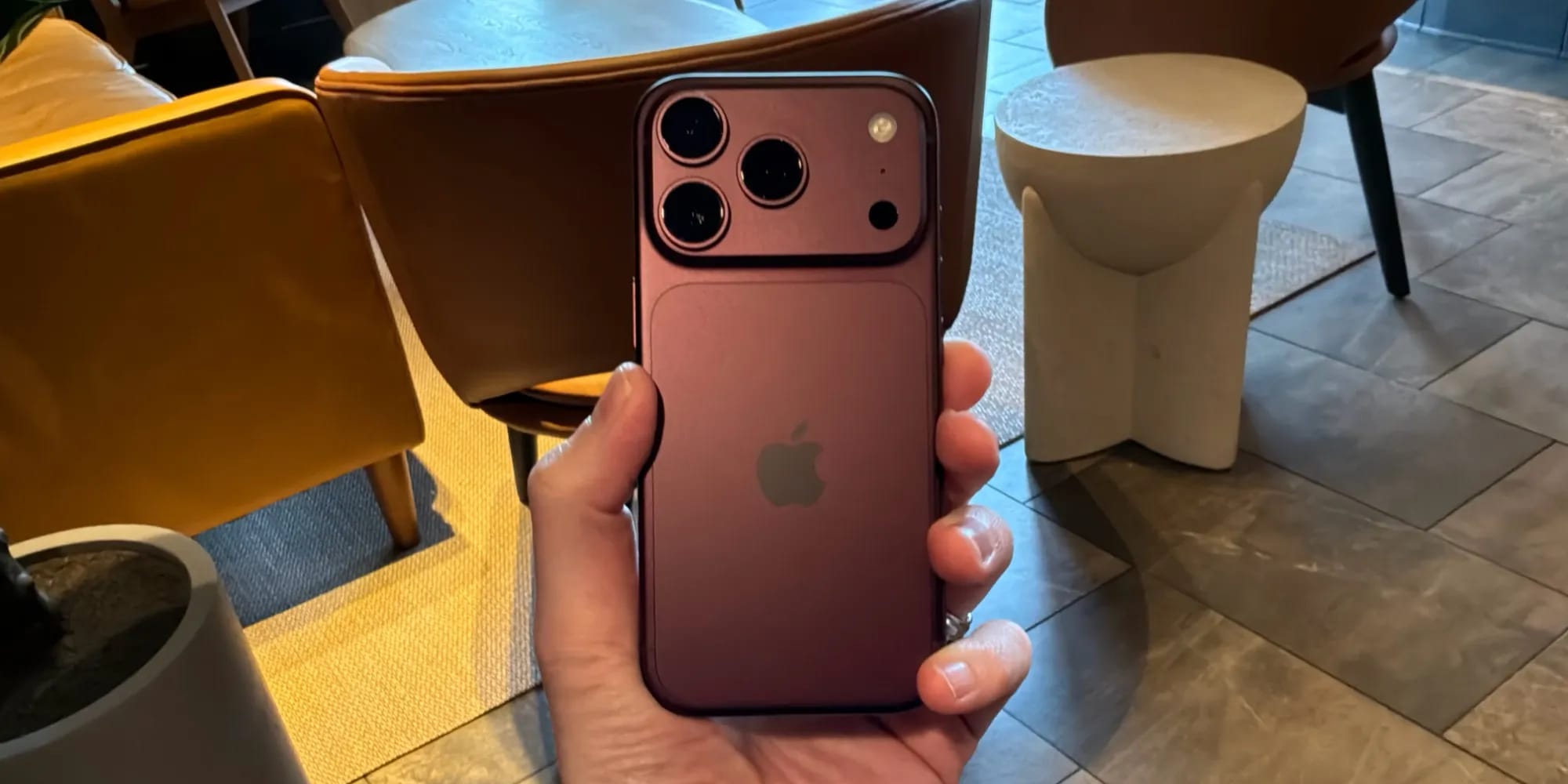
Although EE has confirmed its pricing, the service is currently listed as 'coming soon.' According to Apple's initial announcement, the feature is expected to be fully active by the end of 2026. EE is the first operator in the UK market to confirm support for this technology and its associated commercial terms.
What this technology means for users
The success of iPhone Handoff largely depends on mobile operators, as they must provide the necessary technical support for eSIMs to function on multiple devices simultaneously. Globally, industry giants such as T-Mobile and Verizon have already adopted this functionality, setting monthly fees of $5 and $10, respectively.
For the Georgian market, such innovations remain in the waiting phase. While eSIM technology is already widely available in Georgia, local operators have not yet implemented a service that allows a single number to be used across multiple smartphones simultaneously. However, global trends indicate that demand for multi-device ecosystems is rising, which may eventually make this technology relevant for the local market as well.