EA Boycott: Fans Protest Closure of BioWare and Mass Effect Cancellation
The gaming community is rallying to save a legendary studio and its flagship sci-fi series.
Industry Crisis: The End of a Legendary Studio
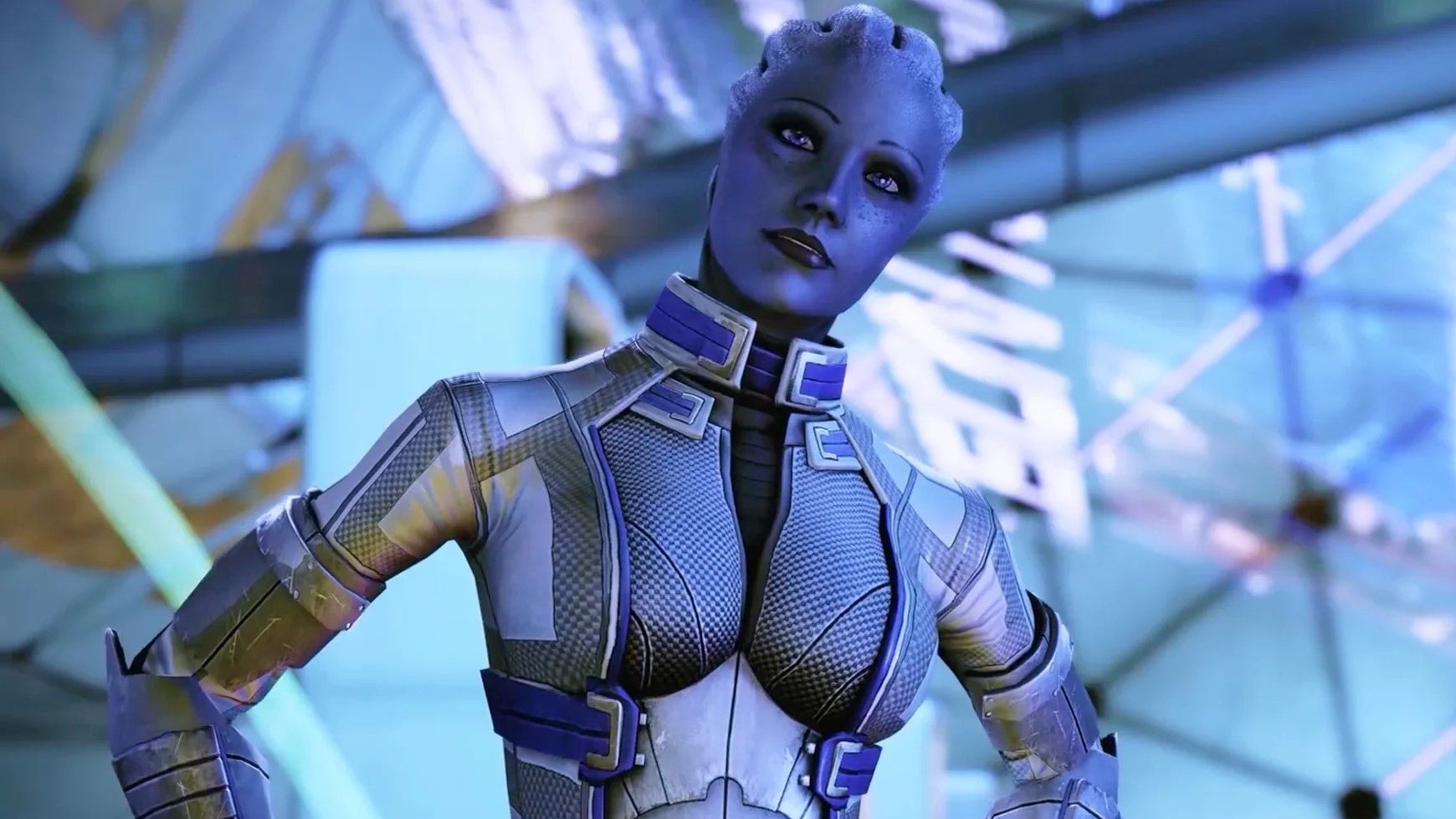
The video game industry has faced another difficult period. On October 21, Electronic Arts (EA) officially announced the closure of BioWare, a studio with a 30-year history. This decision shocked thousands of players and effectively ended the future of one of the most popular science-fiction series, Mass Effect. According to EA, all current projects, including the new Mass Effect, have been officially cancelled.
BioWare, the creator of iconic titles such as Dragon Age, Baldur’s Gate, and Jade Empire, is considered a pioneer of the Western RPG genre. For many, the studio's closure represents a significant loss of the industry's cultural heritage.
Fan Protest and Boycott Wave
Immediately following the announcement, a large-scale protest movement emerged on social media and forums, particularly on Reddit. Gamers are uniting under the hashtag #savemasseffect, urging EA to either complete the game's development themselves or sell the intellectual property (IP) to another studio to prevent the project from disappearing entirely.
The protest is intense, with some players declaring a total boycott of all EA products and services. "I will never buy another EA game, whether it's from Respawn Entertainment, DICE, or EA Sports, until the fate of Mass Effect is decided," wrote one frustrated gamer. At the time of writing, a petition calling on EA to save the franchise has garnered over 76,500 signatures.
Why This Matters
The situation has been further aggravated by a leaked trailer circulating online, which reportedly contains footage from the new Mass Effect (known as Mass Effect Universe). The video suggests the game was in an advanced stage of development, leaving fans devastated that such significant work and potential have been discarded. While industry veterans and voice actors have spoken out about the necessity of saving the project, analysts remain skeptical that EA will heed the fans' demands.
For gamers, this news serves as a reminder of how vulnerable beloved titles are to corporate decision-making. When large companies prioritize business strategy over human emotion and years of history, the result is often conflict. It remains to be seen whether this unity among players will force EA to change its position, though it is clear that the company's reputation has already suffered serious damage.