E Ink unveils Kaleido 4 colour display technology
The new technology delivers 50% higher contrast and displays over 40,000 colours.
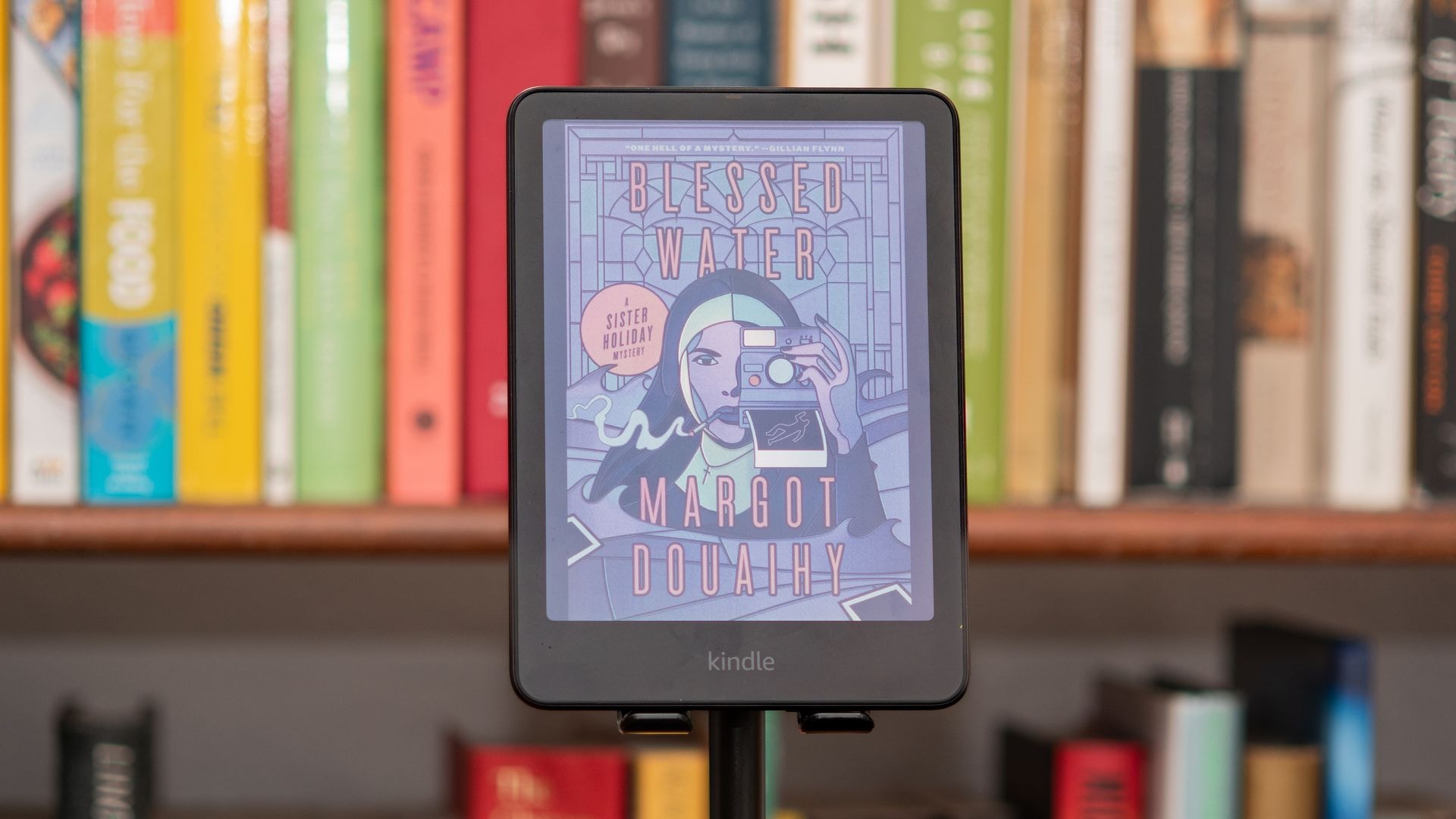
Colour screens are playing an increasingly prominent role in the e-reader market. Industry pioneer E Ink has officially introduced its latest technology, Kaleido 4. The new generation of displays aims to address the key drawbacks that have previously affected colour e-readers.
What has changed in Kaleido 4?
The most noticeable difference for users will be image quality. According to E Ink, Kaleido 4 provides 15% greater white reflectance and 50% better contrast than the previous-generation Kaleido 3. Furthermore, the new screens reduce graininess, offering a much clearer and more natural reading experience for text.
The colour performance gains are equally notable: the new technology can display over 40,000 colours, which is double the capacity of its predecessor. E Ink has also increased the refresh rate, enabling video playback at 18 frames per second (18fps). While e-readers are designed primarily for reading, this technical advancement enhances device versatility.
Market prospects
Kaleido 4 technology is currently available in just one device: Hanvon Technology's M10 C II, which is currently limited to the Chinese market. However, industry experts expect Kaleido 4 to feature soon in devices from global brands such as Kobo, Boox, and ViWoods.
Expectations for Amazon and its Kindle line may take longer. With the Kindle Colorsoft having been released recently, it is unlikely that the company will plan a technology upgrade anytime soon. Even so, the arrival of Kaleido 4 marks a significant step towards colour e-readers matching black-and-white models in text quality.
Why this matters
In recent years, some users remained sceptical of colour displays because they were often darker and grainier than classic E Ink panels. If Kaleido 4 solves these issues, it could transform the market, leaving readers without the need to choose between text clarity and colour illustrations.
In Georgia, where the number of e-reader enthusiasts is steadily growing, access to such technology is important for advancing education and digital literature. As next-generation devices become widely available on the global market, readers in Georgia will gain access to more comfortable and versatile reading hardware.