Do You Really Need a Discrete Graphics Card for Your PC?
Deciding between built-in graphics and a dedicated GPU.
Integrated Graphics: When Is It Enough?
When building or purchasing a computer, one of the most pressing questions concerns the graphics card. Traditionally, a discrete graphics processing unit (GPU) is the most expensive component in a system. However, modern integrated graphics cores (iGPU) have become so sophisticated that for many users, purchasing an additional card may be an unnecessary expense.
If your daily activities are limited to web browsing, watching movies, streaming media, or playing light, non-intensive games, integrated graphics are perfectly sufficient. An iGPU is built directly into the processor and does not require an additional power supply unit (PSU), which reduces both power consumption and the overall cost of the system. For instance, the AMD Radeon 780M graphics core can easily handle daily office and media tasks today.
When Does a Discrete Graphics Card Become Necessary?
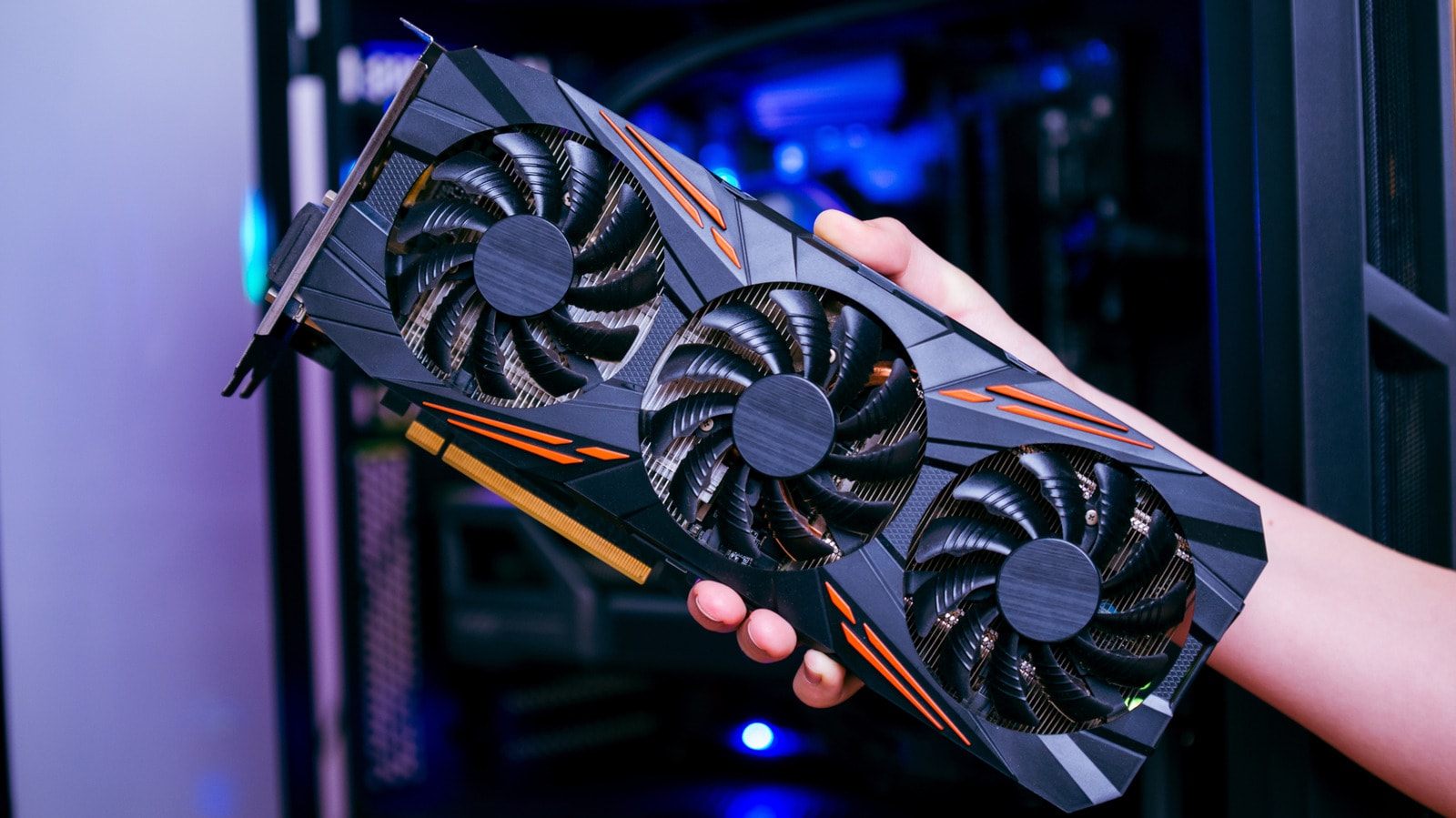
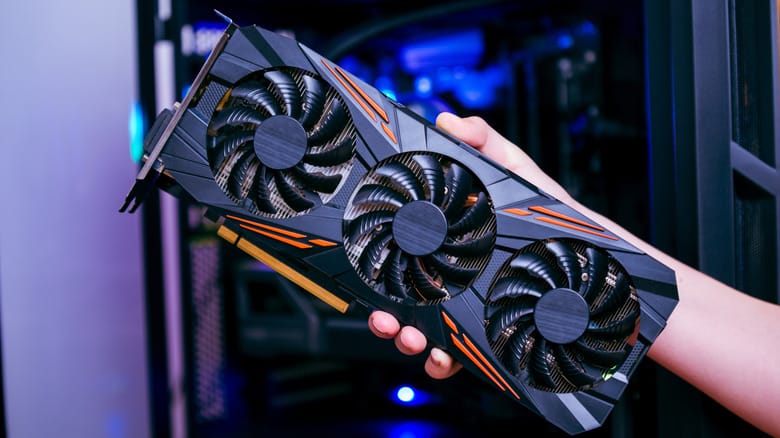
The situation changes if your work involves high-resolution video editing, 3D rendering, local artificial intelligence models (LLMs), or modern, graphically demanding games. A discrete graphics card has its own dedicated video memory (VRAM), which provides significantly higher data bandwidth. Integrated graphics, by contrast, are forced to use system RAM, which often becomes a bottleneck for performance.
It is worth noting that iGPU performance is directly dependent on the speed of your system memory. Tests have shown that reducing RAM frequency—for example, from DDR5-6400 to DDR5-5200—can significantly decrease integrated graphics performance in games. If you plan to handle heavy workloads, a discrete card is essential to avoid the memory bottleneck effect.
Making the Choice and Future Upgrades
It is important to remember that not all processors feature integrated graphics of equal capability. For example, the Ryzen 7 8700G, with its Radeon 780M core, is far superior in graphical tasks compared to the Ryzen 7 9800X3D, which only possesses basic graphical capabilities. While AMD currently leads the desktop iGPU market, always check the technical specifications of the specific model when making your choice.
The good news is that the main advantage of a desktop computer is its upgradeability. If you build a system with integrated graphics today, nothing prevents you from adding a powerful graphics card in the future when your needs grow. The key is to consider the power supply capacity, PCIe slot compatibility, and internal chassis space when building your PC, so that adding a new component later is straightforward. Ultimately, ask yourself: does your daily workload truly require additional graphical resources, or is the power of an iGPU sufficient?