DJI Debuts Its First Robot Vacuum: Drone Technology for Your Floors
The drone giant brings its sophisticated obstacle avoidance technology to the home cleaning sector.
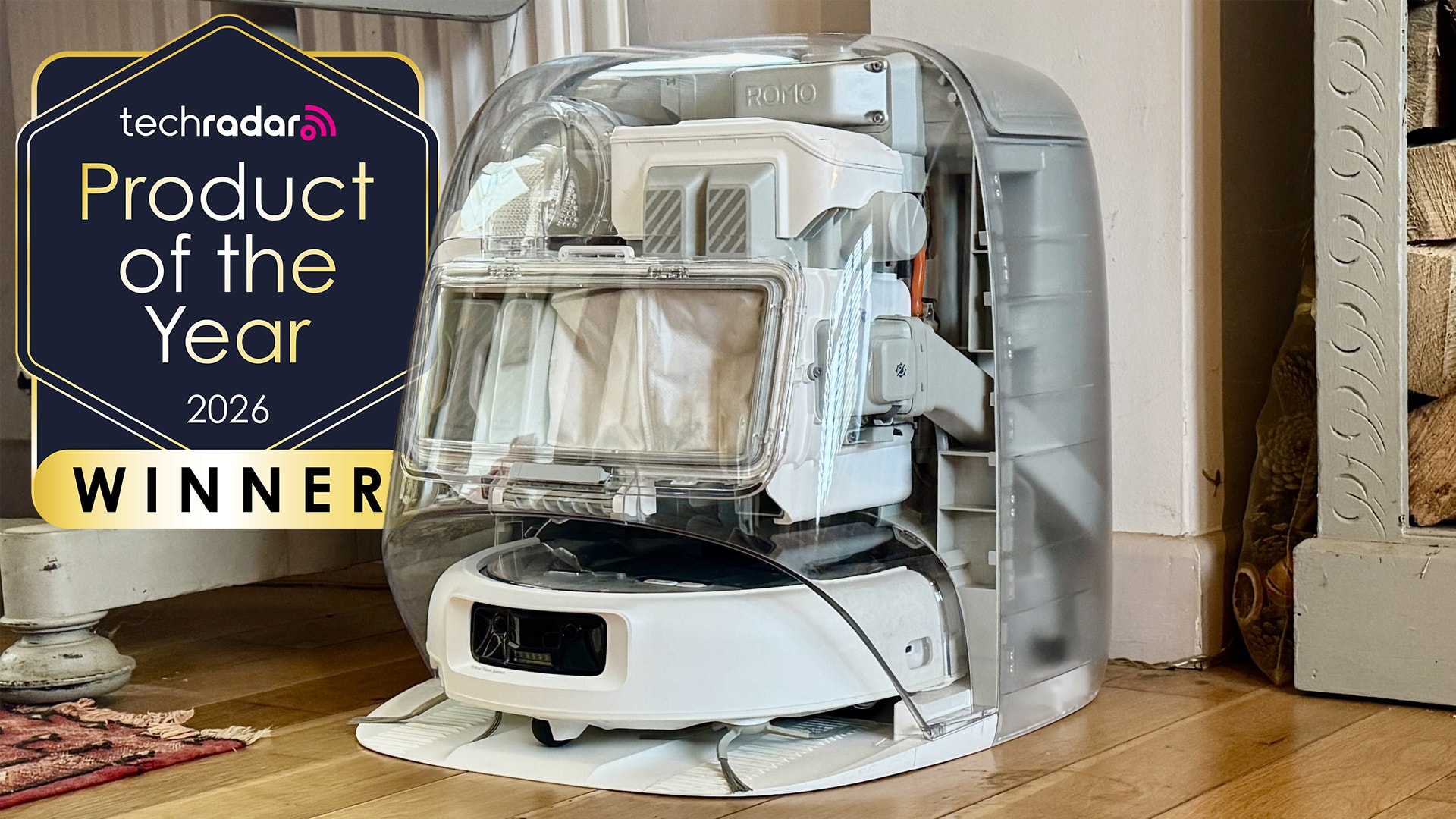
Drone manufacturer DJI has made an unexpected move into the home appliance market with the launch of its first robot vacuum, the Romo P. The company, which has spent years refining navigation and obstacle avoidance for autonomous aircraft, has successfully adapted this expertise for floor cleaning.
A New Standard for Navigation
The standout feature of the Romo P is its vision system. The device is equipped with dual fisheye cameras and LiDAR sensors, allowing it to detect objects as small as 2 millimetres. This enables the vacuum to easily navigate around cables and shoelaces, which often cause traditional robot vacuums to stall.
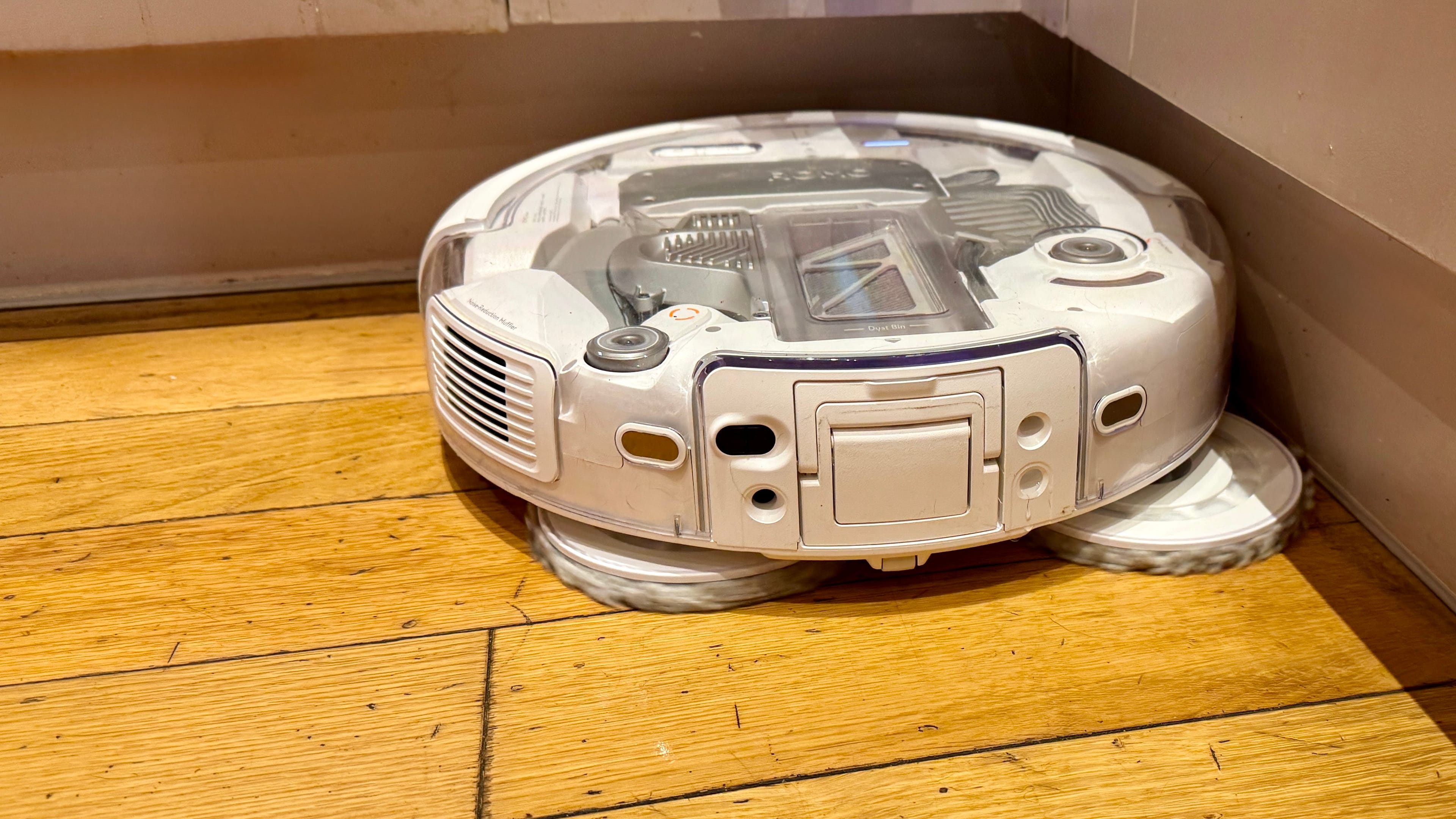
Technically, the Romo P is impressive, boasting 25,000Pa of suction power and extendable brushes to ensure high-quality cleaning on wood, tile, and carpet. The mopping system is particularly notable; its dual cleaning heads automatically lift when the device moves onto a carpet, keeping the surface dry.
Smart Features and Design
Once cleaning is complete, the Romo P returns to a fully automated docking station. The station not only empties the dustbin but also washes and dries the mop heads, preventing mould and unpleasant odours. Users only need to replace the dust container a few times a year.
Control is managed through the DJI Home app, where users can set cleaning schedules, adjust water and suction levels for individual rooms, and define "no-go zones." Furthermore, the onboard cameras allow for real-time home monitoring, which is useful for keeping an eye on pets. In terms of design, DJI has moved away from traditional black or white discs, opting for an aesthetic featuring transparent panels. This gives the device a modern, high-tech appearance that distinguishes it from other products on the market.
What This Means for Consumers
Although the robot vacuum market is already well-saturated, DJI’s entry is set to intensify competition. The level of navigation inherited from the drone industry may prove decisive for users with complex furniture layouts or frequent obstacles in their homes. Should the device become officially available in Georgia, it will pose a serious challenge to established brands like Roborock or Dreame.