Cummings Aerospace: A New Era for 3D-Printed Drones
A New Standard in Air Defence
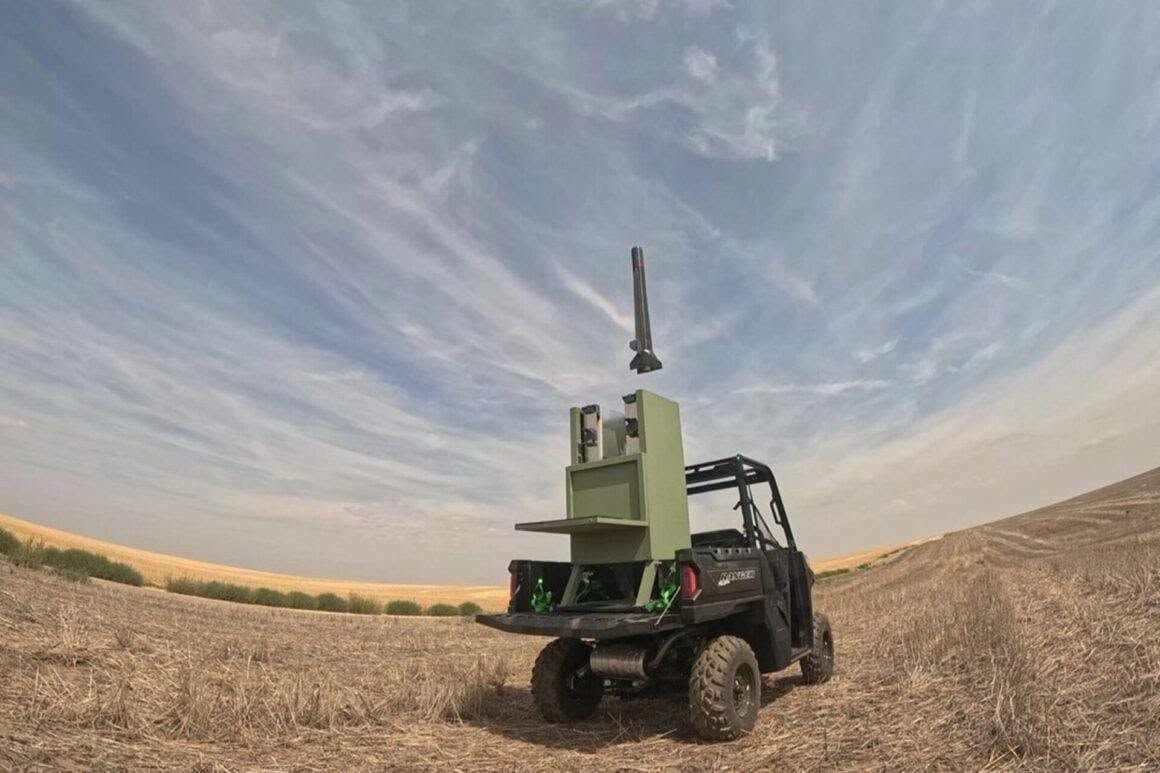
Cummings Aerospace has completed a landmark test demonstrating the capabilities of its 3D-printed Hellhound S3 jet drones. During a demonstration held in Oregon on August 25, 2026, company engineers launched two drones simultaneously from a light Polaris transport vehicle. This marked the first time a single operator, using a portable control console, successfully planned and executed two distinct autonomous missions.
The new launch system, which holds eight drones at once, significantly boosts combat efficiency. During testing, the drones followed pre-programmed routes at varying speeds, while the operator maintained the ability to monitor flights in real-time and adjust mission parameters as needed.
Technical Specifications and Advantages
The Hellhound S3 is roughly the size of a baseball bat and weighs approximately 6 kilograms. Its turbojet engine allows it to reach speeds of 618 km/h and cover distances exceeding 60 kilometres. These specifications set it apart from the propeller-driven quadcopters currently used widely in Ukraine.
The company states that the drone is highly versatile. Operators can swap mission modules in under two minutes without the need for tools. These modules can be configured for anti-armour, electronic warfare, explosive, or decoy purposes. This flexibility makes it an effective weapon against other small unmanned aerial vehicles.
3D Printing as a Strategic Advantage
The primary goal of Cummings Aerospace is to streamline mass production. Utilizing 3D printers allows the company to manufacture at least 100 units per month. This approach reduces reliance on complex supply chains and enables local licensing of designs, a factor of strategic importance in modern conflicts.
Looking ahead, the company plans to integrate similar launch systems into unmanned ground and maritime platforms. This technology indicates that future warfare and air defence will increasingly rely on affordable, rapidly produced, and easily managed systems, where a single soldier can neutralise multiple targets simultaneously.
While this technology is currently intended for the defence sector, its development will influence commercial applications of 3D printing and autonomous systems. In countries like Georgia, where interest in drone technology is growing, such solutions serve as a compelling example of how high results can be achieved with limited resources.