Critical Oracle E-Business Suite Vulnerability Sparks Hacker Activity

A Threat to Business Systems
Users of Oracle's complex enterprise systems are facing a new cybersecurity challenge. A critical component of the Oracle E-Business Suite (EBS) has been identified as highly vulnerable to exploitation. The flaw, officially registered as CVE-2026-101767, allows attackers to gain full access to a system without requiring authentication. This process is executed via the HTTP network and does not necessitate complex manipulation.
Although Oracle released the necessary security updates on 20 October, the danger remains acute. The company is strongly urging clients to install patches immediately, as many past cyber incidents have been traced directly to the failure to apply updates in a timely manner.
Escalating Hacker Activity
While the vulnerability was initially considered a theoretical risk, security experts confirm the situation has escalated. Threat monitoring groups have detected hackers conducting massive scans across the internet to identify vulnerable servers. Specialized decoy systems, designed to trap attackers, confirm that malicious actors are actively attempting to perform SQL injections via the EBS Thin Client Framework servlet, which subsequently enables Remote Code Execution (RCE).
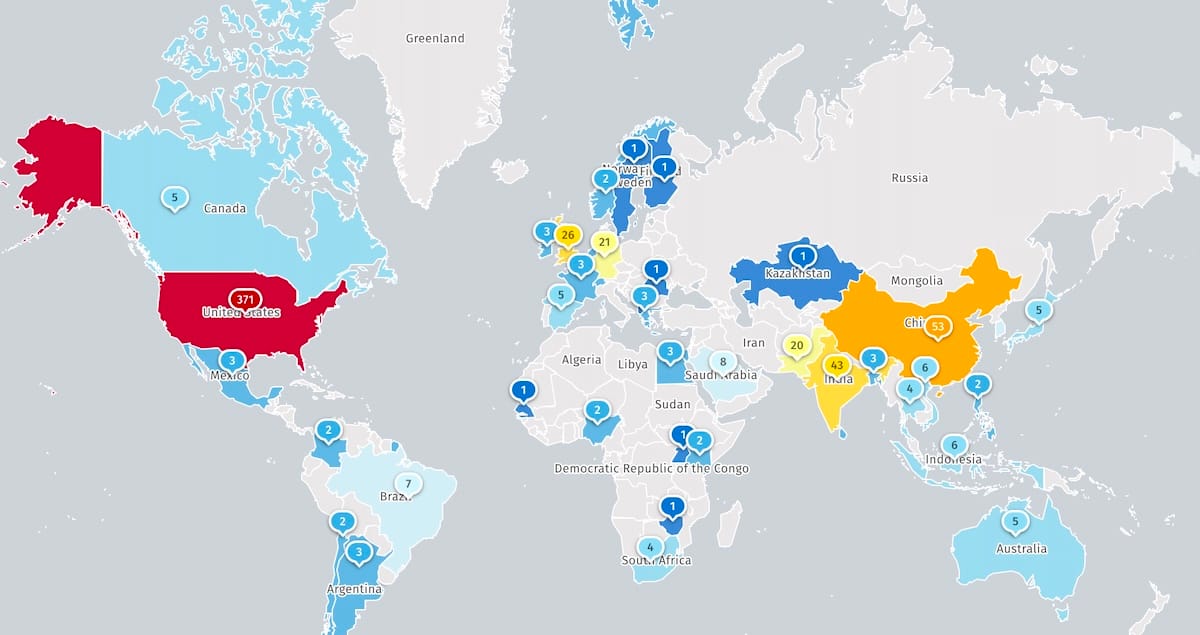
According to Shadowserver data, there are currently more than 670 Oracle EBS instances publicly accessible on the internet, with a large portion located in the United States. However, the vulnerability is global in nature, threatening any organization that utilizes the system. Oracle products are frequent targets for hackers due to their widespread use across Fortune 100 corporations, government entities, and healthcare networks.
Why This Matters
Attacks on Oracle platforms often result in devastating consequences. In recent years, similar vulnerabilities have been exploited in high-profile cyberattacks against companies and universities, including Logitech, Nissan, and the universities of Harvard and Nottingham. Cybercriminal groups, such as Clop or ShinyHunters, frequently target such systems to steal critical data and demand ransoms.
For organizations in Georgia, where large corporations and state agencies often rely on similar enterprise management systems, this news serves as an urgent warning. The primary task for IT administrators at this stage is to conduct an inventory of existing Oracle EBS servers and immediately install all available security updates. Only a fully updated system can provide protection against the hackers who are already actively searching for victims across the network.