Climate Change is Putting the American Dream at Risk
Rising disasters and insurance costs are forcing a re-evaluation of homeownership as a path to wealth.
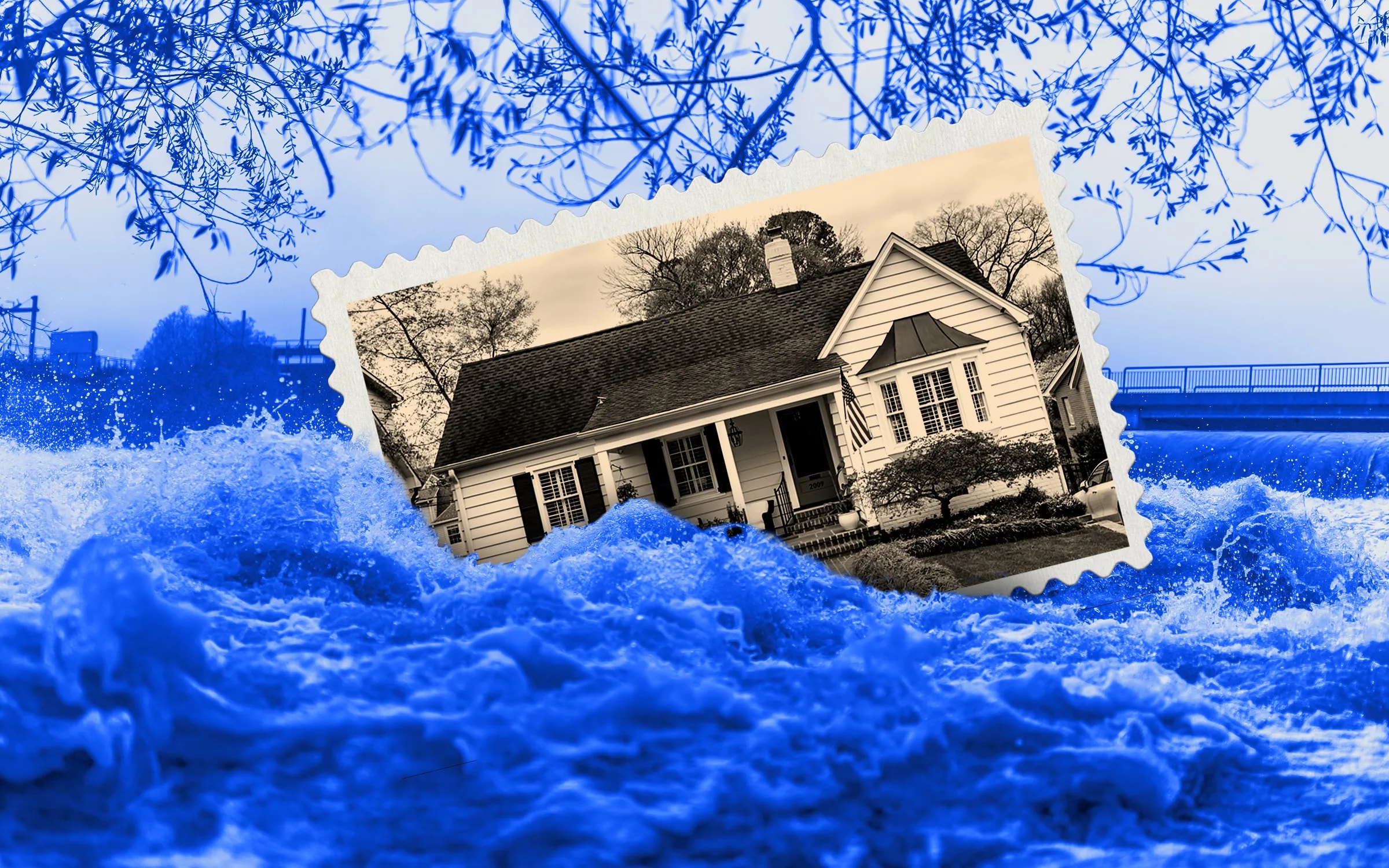
A New Reality: Homes as Risky Investments
Traditionally, homeownership has been the cornerstone of the American Dream. It is not merely a place to live, but a primary vehicle for wealth accumulation intended to support future generations with education or retirement. However, climate change and frequent natural disasters have called this fundamental belief into question. Today, as fires and floods increasingly destroy property and insurance premiums continue to climb, buying a home has shifted from a secure investment to a potential financial trap for many.
According to a First Street report, the total value of US real estate could drop by nearly $1.5 trillion by 2055 due to climate risks. Experts note that in some regions, homes may become economically obsolete long before they are physically unfit for habitation.
The Insurance Crisis and Escalating Risks
Insurance, once the safety net of the American Dream, has itself become a financial burden. Since 2020, the cost of property insurance has risen by nearly 80 percent. Data from the Consumer Federation of America suggests the insurance market is on the verge of dysfunction, as companies use climate change to justify excessive premiums. Residents in high-risk zones often lose access to insurance entirely, rendering their properties illiquid.
This problem extends beyond homeowners. Rising rental costs are partly driven by the increased insurance premiums passed on by landlords. Consequently, broad segments of society, including renters, are forced to absorb the costs of climate risks within their own budgets.
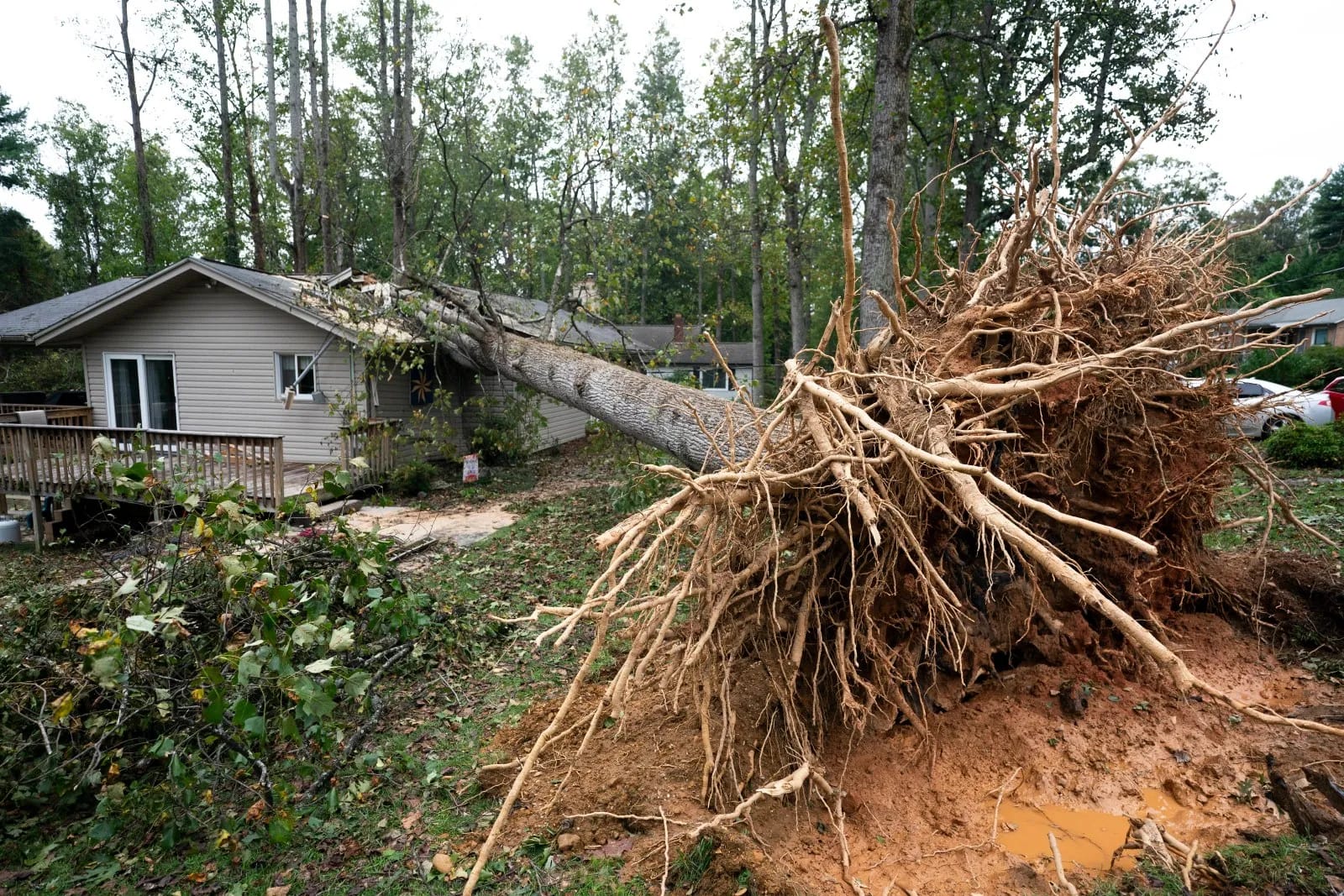
The Myth of Climate Havens
Many Americans are attempting to escape climate disasters by relocating to "safe zones." Asheville, North Carolina, was once considered such a climate haven. However, Hurricane Helene, which struck in September 2024, shattered this illusion. More than 74,000 homes were damaged in the region, with only 4 percent covered by insurance. This event confirmed that there is practically no place immune to the effects of climate change.
According to research by Data for Progress, 58 percent of American voters already acknowledge that climate change will make achieving the American Dream more difficult. These sentiments are directly reflected in political decisions, as the public increasingly demands concrete action on environmental protection.
Ultimately, the concept of the American Dream, which relied on economic growth based on fossil fuels, is in conflict with today's reality. Society faces a choice: either reimagine the American Dream to create a more sustainable model, or allow climate change to dismantle the very model of prosperity the country has relied on for decades.