Cities Mass-Disconnect Flock Safety Surveillance Cameras
Privacy concerns and technical failures lead to contract terminations across the US.

Dismantling and Growing Distrust
Distrust toward Flock Safety’s automated license plate recognition systems has reached a critical threshold in the United States. Henrico County, Virginia, has independently removed over 120 cameras after the company failed to meet its contractual obligations. While the cameras and solar panels have been dismantled, the mounting poles remain in place, as local authorities maintain that their removal is the company’s direct responsibility.
Similar processes are underway in Plymouth, Massachusetts. The local police department terminated its contract with the company in September but received no response from Flock Safety. Police Chief Eric Faden stated that establishing communication with the company’s corporate or legal departments proved impossible, leading the police to decide to disconnect the cameras from their power sources independently.
Technical Errors and Scandals
Complaints against the Flock system primarily concern data privacy and technical flaws. One high-profile case involved an attack on journalist Joel Feder. During a test drive, the system incorrectly flagged the Range Rover Feder was driving as a "stolen vehicle," leading to the journalist's arrest by police. A similar incident occurred in Nebraska, where another journalist was subjected to a lengthy interrogation due to the system’s incorrect vehicle identification.
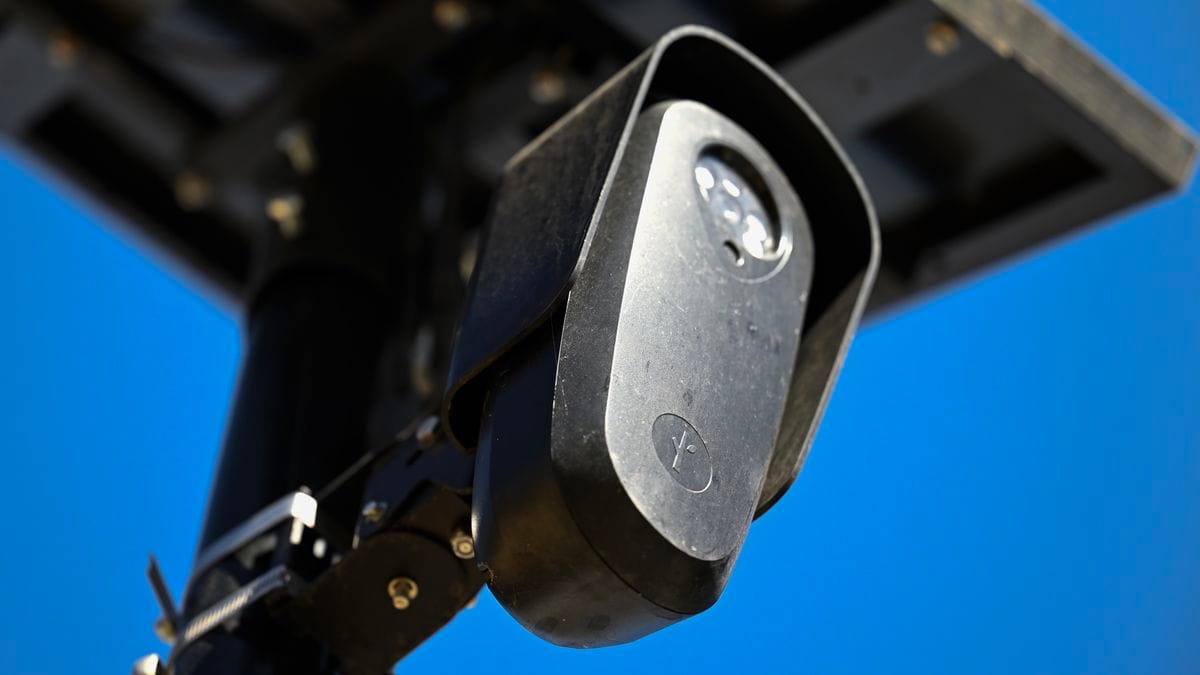
The company has repeatedly faced criticism over database hacks and the misuse of the system by police. Despite this, Flock CEO Garrett Langley stated at a recent conference that halting technological progress due to privacy fears is wrong. He argued that the system helps detect crime and hold perpetrators accountable.
Public Reaction and the Future
Public dissatisfaction is so high that some citizens have begun damaging the cameras themselves. Meanwhile, various applications, such as MapQuest, have added a special layer to their maps to alert users to the locations of surveillance cameras. The company itself attempted to add an audio analysis feature to the system, designed to detect screams, gunshots, or crash sounds, but the plan was abandoned following protests from consumer rights groups.
For readers in Georgia, this topic is significant because the implementation and management of surveillance technologies represent a global challenge. The effectiveness of such systems constantly clashes with individual freedoms, raising questions about whether society is prepared to trade privacy for total surveillance.