Chinese Tech Giants Seek $35 Billion Nvidia Chip Order
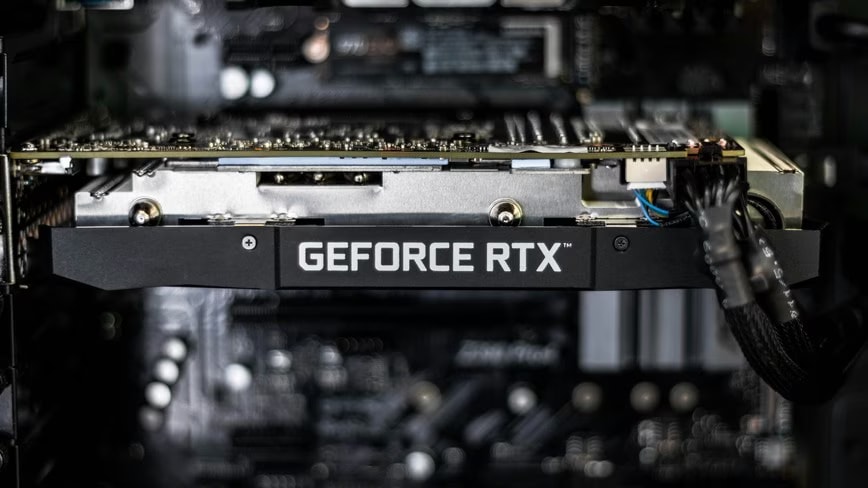
China's largest technology corporations, including ByteDance, Alibaba, and Tencent, are placing massive orders with Nvidia. Reports indicate that these companies have ordered more than 3 million RTX PRO 5500 series graphics cards, with a total value exceeding $35 billion. Each unit is priced at approximately $11,400.
Shortages and Supply Challenges
Despite their significant demand, Chinese firms have no guarantee of receiving the hardware. Current data suggests that Nvidia’s production capacity is significantly trailing demand. Sources report that Nvidia can only produce 3 million RTX PRO 5500 cards globally in 2027, while orders from China alone have surpassed 6 million units.
Internal company estimates suggest that partners may receive only 5 to 10 percent of their requested volume. The situation is further complicated by the fact that a large portion of Nvidia’s production resources for next year will be allocated to the new Rubin platform, designed for data centres.
Why These Chips Matter
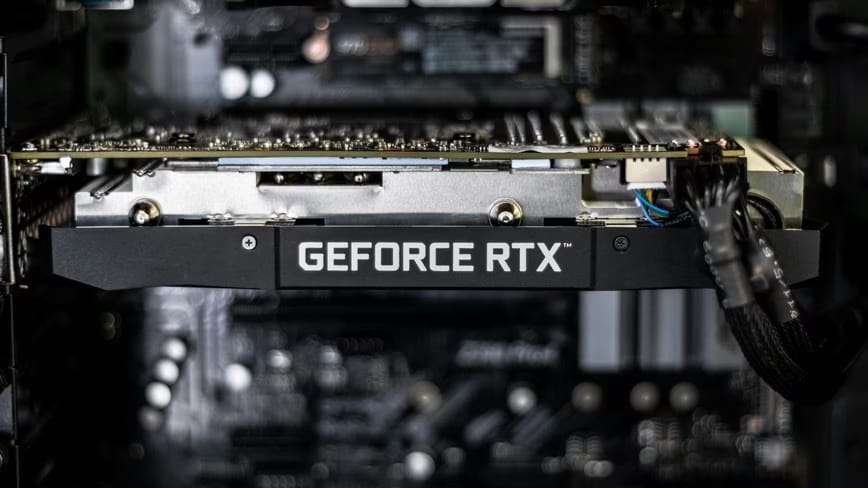
The RTX PRO 5500 is designed for powerful professional computers rather than training large-scale artificial intelligence (AI) models. Nevertheless, Chinese companies intend to use them primarily for "inference," which involves responding to user requests using already-trained models. Due to US export controls, the range of technologies available to China is strictly limited, making these cards one of the most powerful alternatives remaining.
Geopolitical Context
US-imposed restrictions have caused Nvidia to lose ground in the Chinese market. According to CEO Jensen Huang, the company’s former near-monopoly position has effectively been neutralized. Because of these regulations, Chinese firms are increasingly turning to local alternatives, such as Huawei products or Alibaba’s proprietary Zhenwu V900 chip.
Nvidia representatives argue that outdated US regulations, which often encompass gaming technologies from five years ago, undermine the competitiveness of American companies. Initial shipments are expected in December, with commercial delivery slated to begin in the first quarter of 2027. However, given the ongoing shortages and regulatory environment, it remains unclear whether Chinese tech giants will be able to fully realize their technological ambitions.