China Implements New Energy Efficiency Standard for AI Data Centres
Envision has introduced an 800-volt DC power system for data centres that reduces energy loss and increases server density.
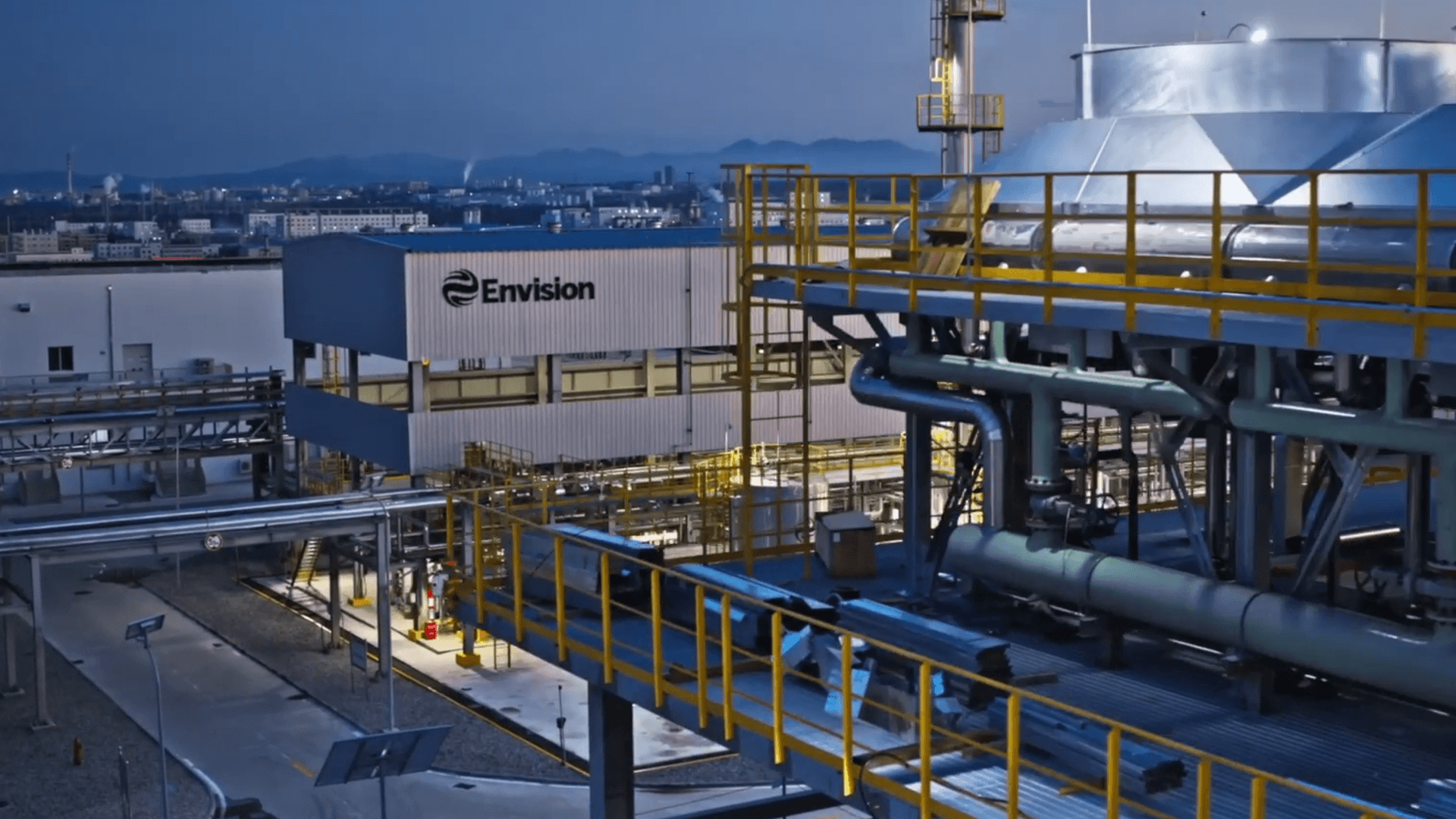
The rapid advancement of artificial intelligence (AI) is placing unprecedented demand on data centres. Responding to this challenge, Envision has deployed the world’s first commercial 800-volt direct current (DC) power supply system at its Galaxy AI campus in Inner Mongolia, China. This innovation is designed to manage the massive energy requirements of AI more efficiently.
Replacing traditional systems
Traditionally, data centres undergo multiple stages of power conversion before electricity reaches servers and accelerators, with each step causing energy loss. Envision’s new architecture takes a different approach: using a solid-state transformer, 10-kilovolt alternating current (AC) is converted directly into 800-volt DC. This method not only reduces the number of conversion stages but also saves space within the data centre and decreases the amount of copper required for cabling.
Responding to fluctuating AI workloads
Training and operating AI models cause sharp fluctuations in power consumption, placing significant strain on infrastructure. Envision’s system integrates battery storage and a specialized Dubhe controller, which reacts within milliseconds to changes in demand from graphics processing units (GPUs). This system provides both immediate support during peak loads and backup power during emergencies.
Ambitious plans for the future
Envision’s goals extend beyond a single facility. The capacity of the Galaxy AI campus is projected to grow to 3 gigawatts, which the company estimates will be sufficient to power one million AI accelerators. Furthermore, the company is pursuing the Mission Gobi initiative, aiming to create 5 gigawatts of renewable energy-powered computing resources by 2030. These projects are focused on desert regions, where solar and wind energy can provide stable power for data centres.
Despite this technological progress, independent experts remain cautious. Envision has yet to publish detailed, independently verified data regarding actual gains in energy efficiency or costs. However, if the technology proves scalable, it could become a standard for future data centres, making the AI industry more sustainable and cost-effective.